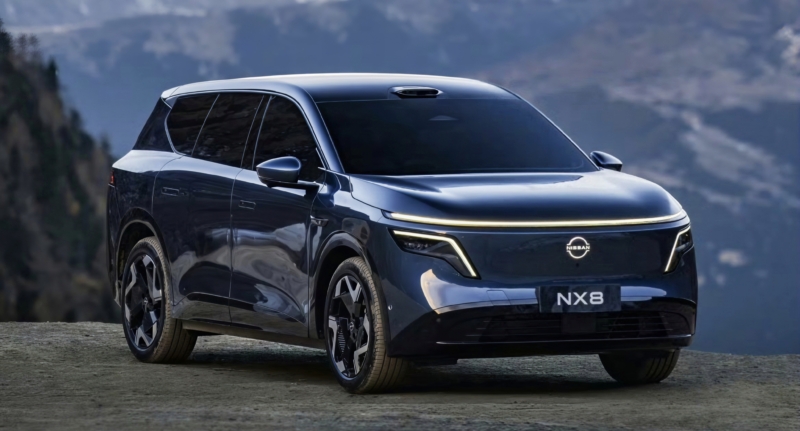
Nissan is expanding its electrified lineup in China with the NX8, a new mid-to-large SUV under the Dongfeng Nissan brand, officially confirmed in the latest Ministry of Industry and Information Technology filing. The NX8 will be offered in both fully electric and plug‑in hybrid variants, reflecting Nissan’s strategy to strengthen its presence in China’s competitive new-energy vehicle market. Nissan released more details of the NX8 shortly after the MIIT filings were revealed.
The model is the first in the N-series mid-to-large SUV lineup to debut with an 800V high-voltage platform and CATL 5C ultra-fast charging technology, marking a notable step in the company’s electrification efforts.
According to the filing, the NX8 measures 4870 millimetres in length, 1920 mm in width, and 1680 mm in height, with a wheelbase of 2917 mm. Curb weight ranges from 2196 to 2245 kg, depending on the configuration, while total vehicle mass is 2660 kg. The SUV’s reported top speed is 180 km/h.
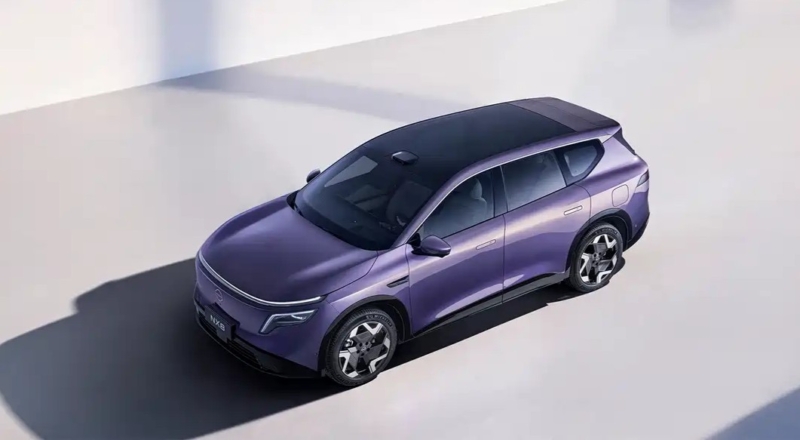
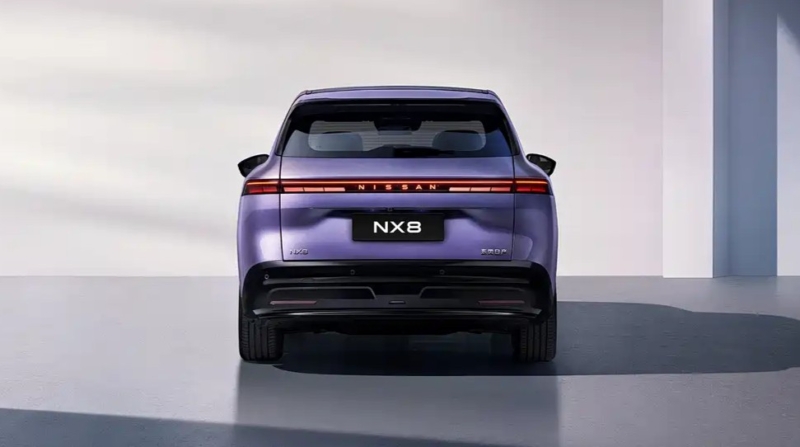
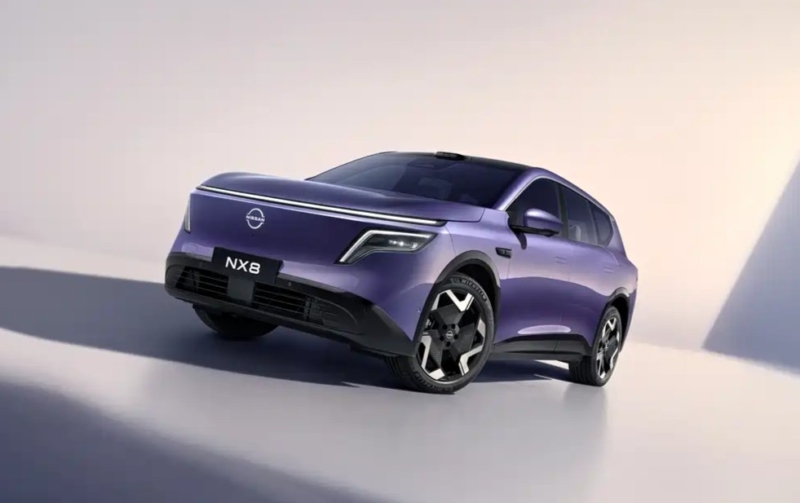
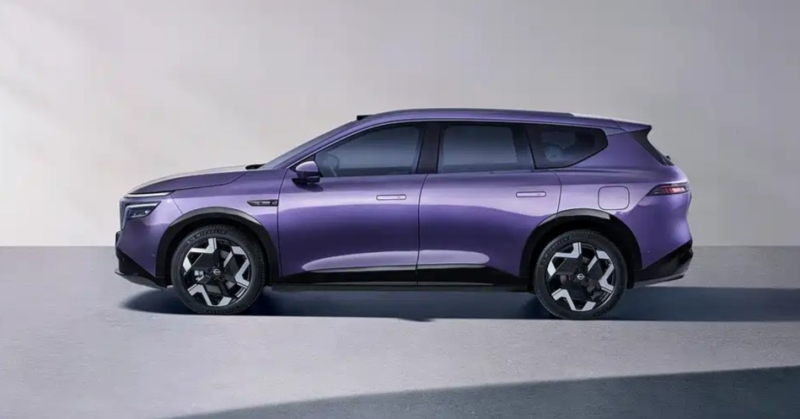
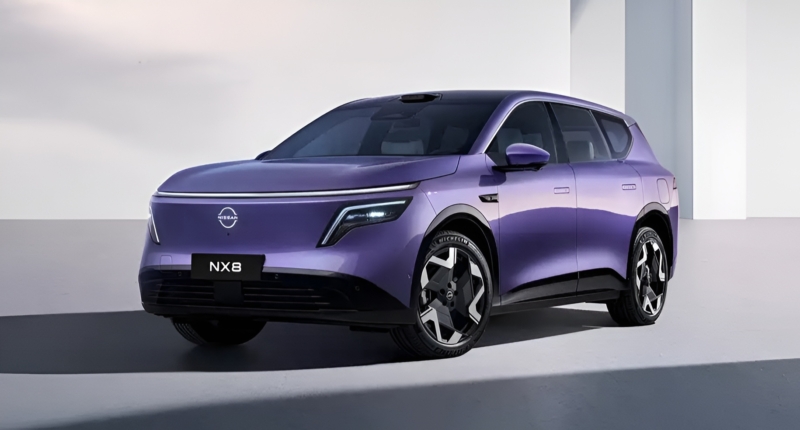
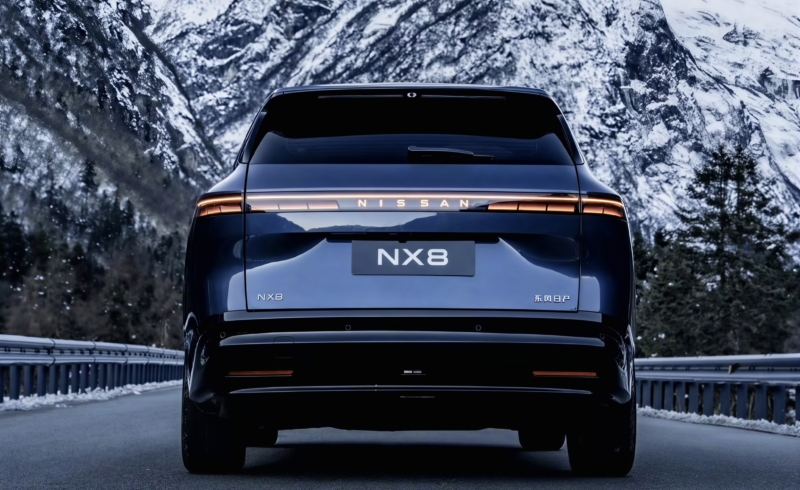
The exterior design reflects Nissan’s evolved V-motion language. The front fascia features a 2.4-meter full-width “star ring” light, a flat illuminated logo, and matrix-style headlamps. Door handles are concealed for a seamless profile, and the rear includes a quantum OLED taillight panel composed of 2064 units with customizable lighting patterns. Side panels feature a minimalist, integrated design with hidden water channels and narrow panel gaps. NX8 offers 19- and 20-inch wheel options.
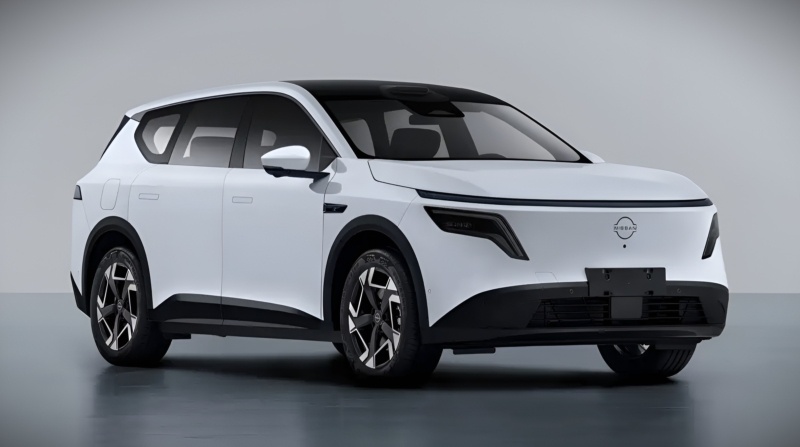
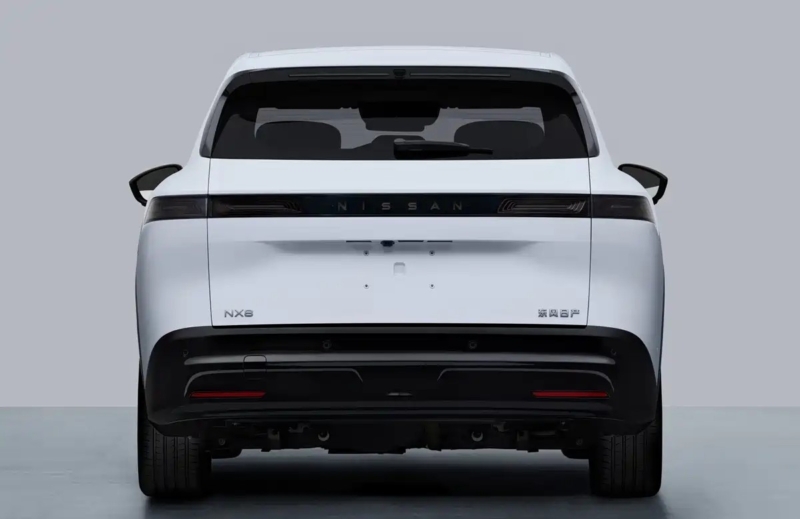
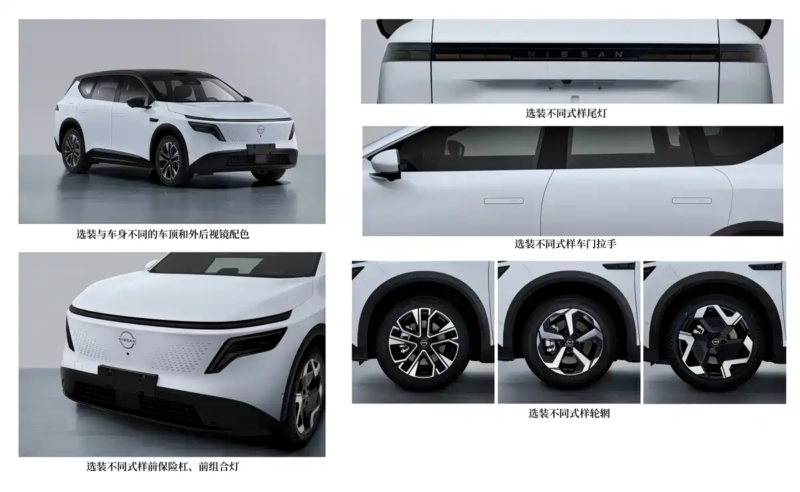
The NX8 provides two powertrain configurations. The fully electric version uses a single motor rated at either 215 kW or 250 kW. The plug‑in hybrid combines a 1.5‑litre turbocharged internal combustion engine producing 109 kW with a 195 kW electric motor. Both variants use the next-generation lithium-iron phosphate “Yundun” battery, developed and packaged by Nissan under global standards, capable of operating across a temperature range from -30℃ to 60℃. The SUV also supports advanced driver-assistance systems, including highway and urban navigation assistance (NOA) and full-scenario intelligent parking, with integrated lidar for enhanced precision and safety.
Nissan’s recent NEV developments in China
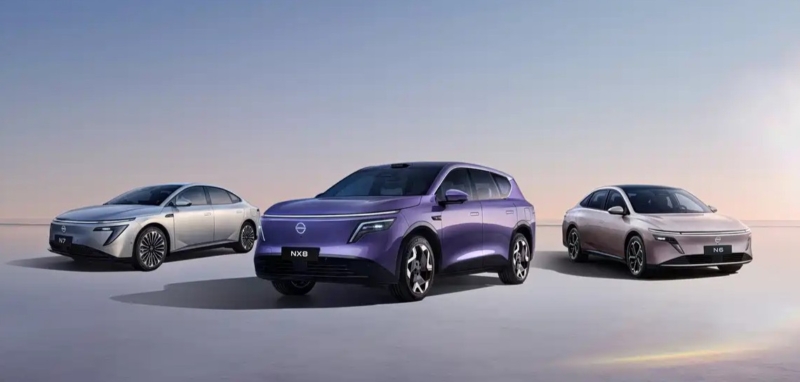
Earlier in 2025, Dongfeng Nissan introduced the N7, a fully electric mid-size sedan, and the N6, a plug-in hybrid mid-size sedan. Both are built on Dongfeng platforms and incorporate localised vehicle architecture, electrification systems, and intelligent vehicle software. The N7 is priced between 119,900 and 149,900 yuan (approximately 16,650–20,800 USD). Reports indicate both sedans have export potential, with Nissan considering markets in Southeast Asia and the Middle East. Following this trend, the NX8 is also likely to be considered for export, though specific launch timelines and market pricing have not yet been announced.
Updated 06/12/2025 16:40 China time