Tesla Shanghai Gigafactory produces 4 millionth vehicle amid slight production slowdown
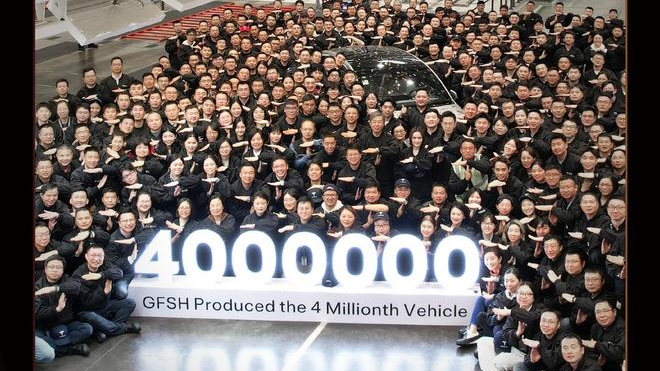
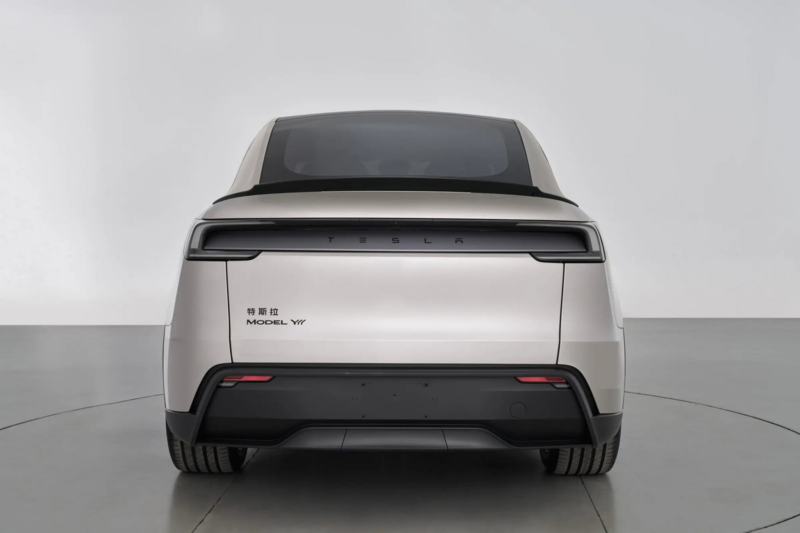
Tesla‘s Shanghai Gigafactory celebrated a significant milestone on December 8, 2025, as its four millionth vehicle – a Starlight Gold Model Y L – rolled off the production line.
According to Tesla’s official announcement, “From 3 million to 4 million vehicles took just under 14 months. Over the past 6 years, the Shanghai Gigafactory has contributed nearly half of Tesla’s global electric vehicle deliveries.”
This achievement solidifies the Shanghai facility’s critical position in Tesla’s global manufacturing network. However, a closer examination of production timelines reveals a slight deceleration in manufacturing pace.
The timeline of Tesla Shanghai’s production milestones shows:
- Initial production began: January 7, 2019
- 1 millionth vehicle: August 15, 2022 (1,316 days from start)
- 2 millionth vehicle: September 6, 2023 (387 days after the one millionth)
- 3 millionth vehicle: October 24, 2024 (414 days after the two millionth)
- 4 millionth vehicle: December 8, 2025 (411 days after the three millionth)
The slight increase in time between the 3 million and 4 million milestones – approximately 410 days compared to the previous 387 days interval – indicates a minor slowdown in production rate.
When the factory produced its first vehicle in December 2019, it showcased what became known as “Tesla speed” – breaking ground, completing construction, starting production, and delivering vehicles all within the same year. The facility took over 30 months to reach its first million vehicles, then dramatically accelerated to produce its second million in less than 13 months.
Editor’s comment
While the slight production deceleration may reflect market adjustments or supply chain factors, the Shanghai Gigafactory remains Tesla’s most productive plant globally and a cornerstone of the company’s manufacturing strategy.
Tesla’s Shanghai Gigafactory boasts impressive production efficiency, even when compared to other automotive manufacturers. The Shanghai facility spans 860,000 square meters. In comparison, Xiaomi’s super factory, which occupies 720,000 square meters, already operates with considerable efficiency. However, even at full capacity, Xiaomi’s annual production is projected to be only about half that of Tesla’s.