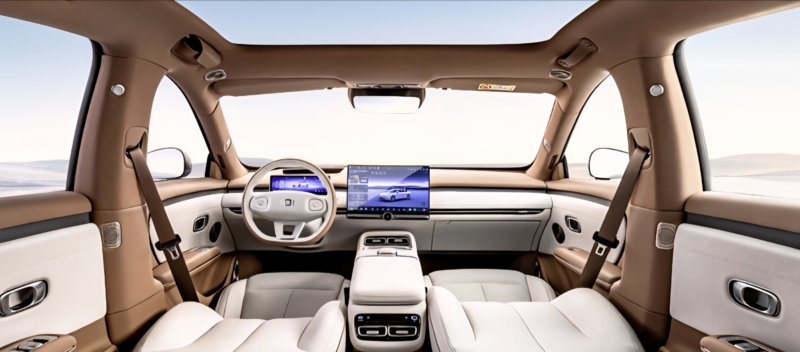
In recent years, new energy vehicles (NEVs) in China are experiencing homogenization, adopting highly similar designs and configurations including through-type headlight strip or sharp headlights, roof lidar, hidden door handles, and a cockpit layout using the “three piece” combination: small instrument panel, large central control screen, and flat-bottom steering wheel.
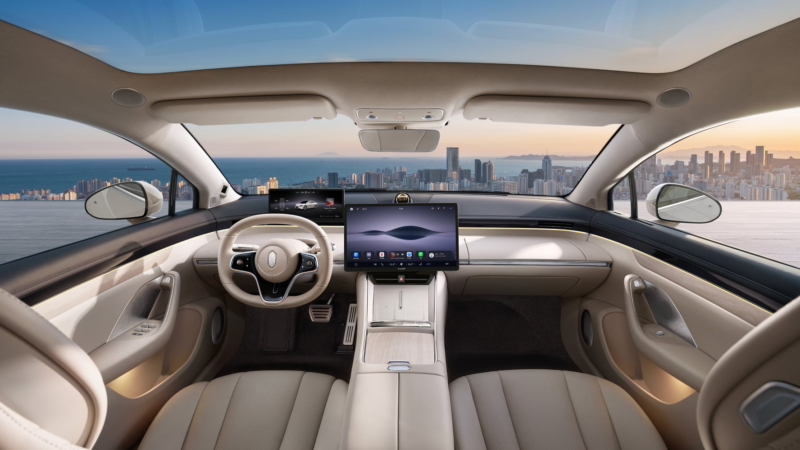
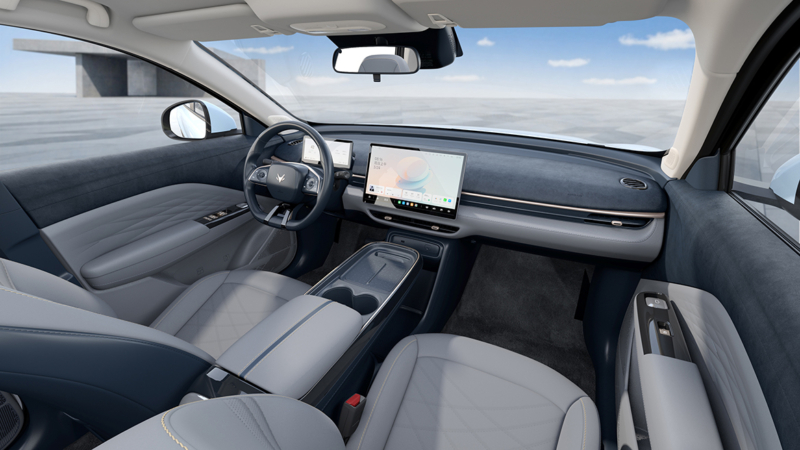
And in 2025, Huawei’s Qiankun ADS (advanced driving system) technology is almost becoming a standard feature across all new models, even extending to joint venture models such as the Audi A5L and Q5L.
Chen Zheng, Vice President and Global Head of Design at Geely, criticized that the Chinese automotive industry is plagued by a trend of blindly following trends, with popular design elements being applied indiscriminately. This practice makes it difficult for consumers to distinguish between brands and models based on appearance alone.
Lu Fang, Chairman of Voyah, also asserted that it may look like fierce competition among companies on the surface, but actually reveals a lack of innovation within the industry.
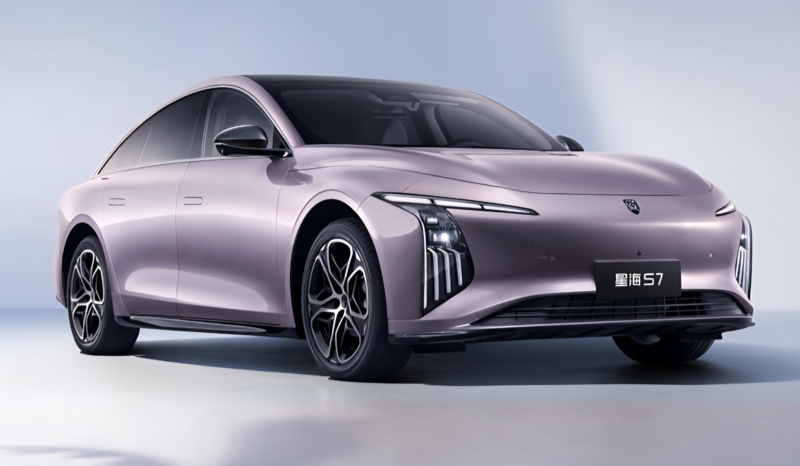
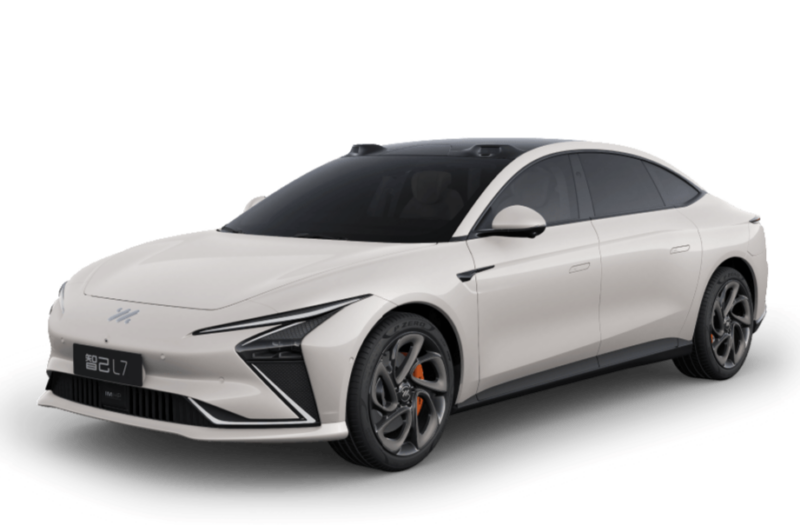
Interestingly, Dongfeng – Voyah’s parent company – itself has been involved in plagiarism controversies. Previously, when the Dongfeng Forthing Xinghai S7 was just announced, the design director of IM Motors directly questioned the originality of the car’s design because it looks so similar to the IM L7.
Why is plagiarism so rampant in the Chinese automotive industry? The obvious answer is that developing a car is expensive, requires managing a supply chain of thousands of parts and meeting technical requirements such as safety.
Industry insiders revealed that the ‘parts lists’ among NEV automakers are highly similar. “These cars may seem to have rich features, but in reality, they are just imitations with a different exterior but the same underlying technology.”
“Many companies pursue short-term profits, often resorting to copying and imitation rather than engaging in original innovation based on user needs. This low-level competition leads to products competing primarily on price and specifications, ultimately resulting in a market flooded with ‘pseudo-innovations’ that fail to truly meet user needs.” According to Lu.
Furthermore, protecting intellectual property rights is extremely difficult in China, according to Chinese news outlet Sohu. Determining infringement of exterior design is inherently subjective, and many lawsuits end in settlements or are simply dropped, which only encourages some automakers to act even more recklessly.
Source: Chen Zheng, Lu Fang, Sohu, Changan, Luxeed, Arcfox


