Sunday China Drive | Geely Galaxy Starshine 6 PHEV challenges BYD on space and driving dynamics
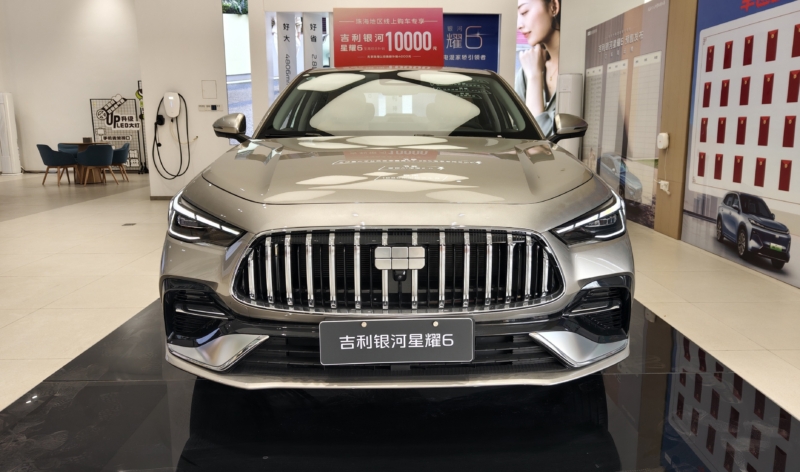
The Geely Galaxy Starshine 6 plug-in hybrid sedan enters China’s compact electrified family car segment, emphasizing usable space, a practical powertrain, and accessible pricing. For this test, we evaluated the 125 km Freedom edition, the base-trim 125 km CLTC pure-electric range version, offering an entry-level perspective on performance, interior quality, and usability. Positioned alongside established rivals from BYD, the Starshine 6 adopts Geely’s latest EM 2.0 hybrid system, combining a 1.5-litre engine and a 120 kW electric motor.
The 125 km Freedom edition carries a sales price of 79,800 yuan (about USD 10,970), situating it firmly within the segment and directly competing with models such as the BYD Qin Plus. This test focuses on how this base-trim Starshine 6 performs in real-world driving, cabin usability, and everyday family practicality.
Exterior
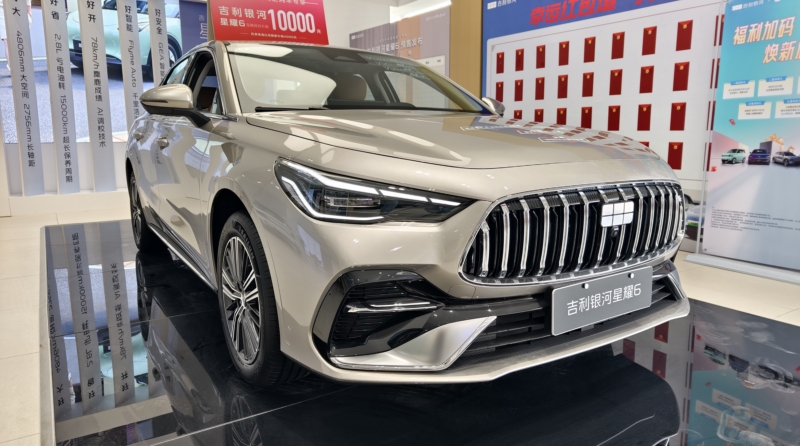
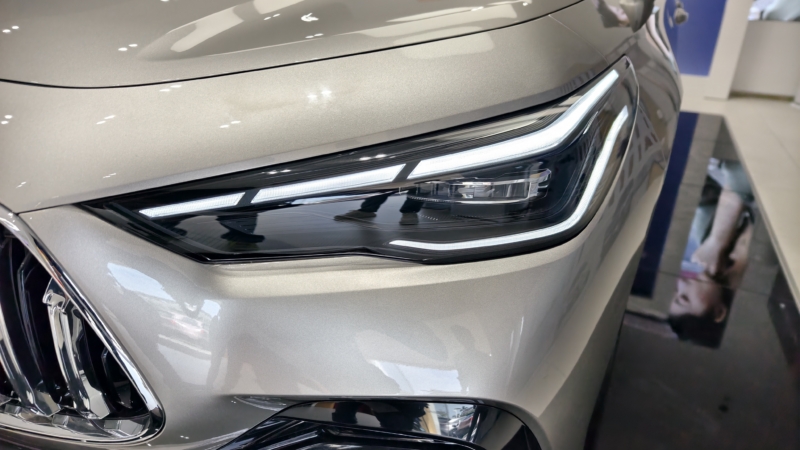
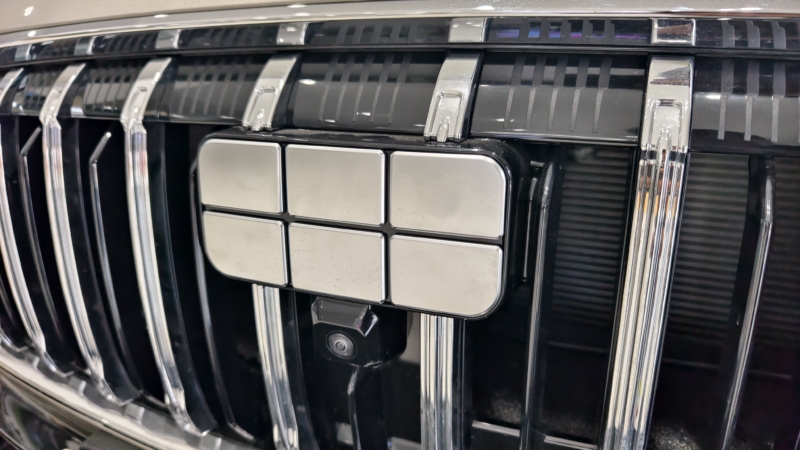
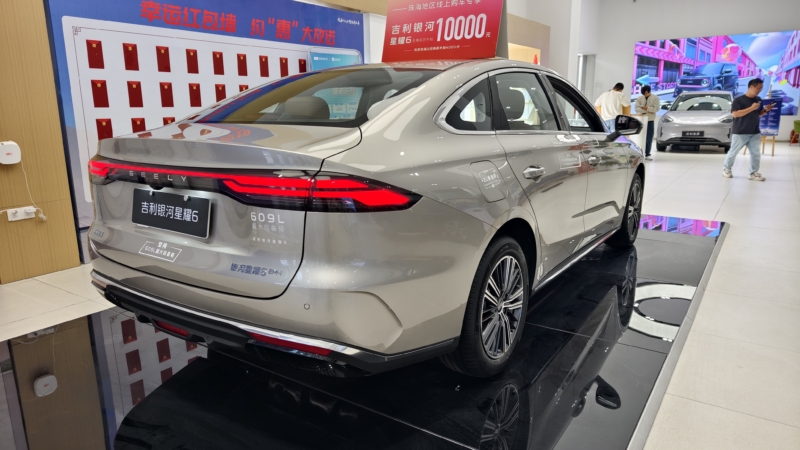
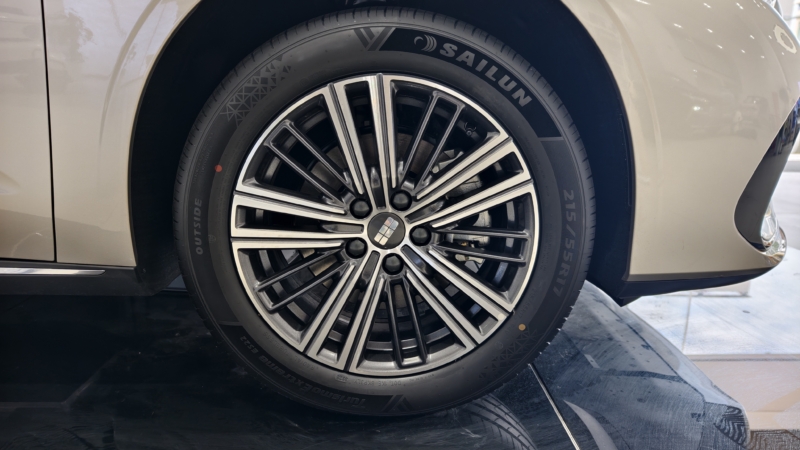
The design of the Starshine 6 is immediately proportionate and recognisable relative to the broader Galaxy line. Dimensions are 4806 mm long, 1886 mm wide, and 1490 mm high, with a wheelbase of 2756 mm. The Starshine 6’s silhouette leans toward a traditional fastback-inspired profile rather than a sharply tapered roofline. Chrome-accented elements on the trapezoidal grille, paired with segmented LED headlights, create a structured front fascia that visually widens the vehicle while staying grounded, with proportions and grille treatment that recall AMG-branded Mercedes-Benz sedans. Side proportions are balanced with conventional door handles and body-coloured mirrors, and 16-inch wheels fill the arches without exaggeration. At the rear, a full-width tail light bar and concealed exhaust details form a continuous visual band that reinforces a wider stance than the dimensions alone suggest.
Viewed in static light, the Starshine 6 appears larger than many rivals in its class, which underscores its design priority on presence and apparent scale rather than on overt sportiness. Lines flow from the front fenders through the shoulders to the rear quarters, and panel gaps remain consistent across doors and bumpers, contributing to a cohesive visual balance. The overall effect is a familiar yet solid aesthetic that sets it apart within the broader range of compact hybrid sedans.
Interior
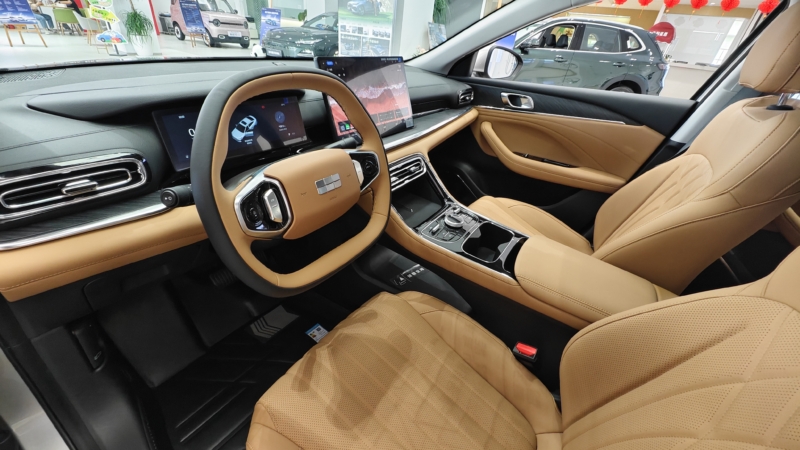
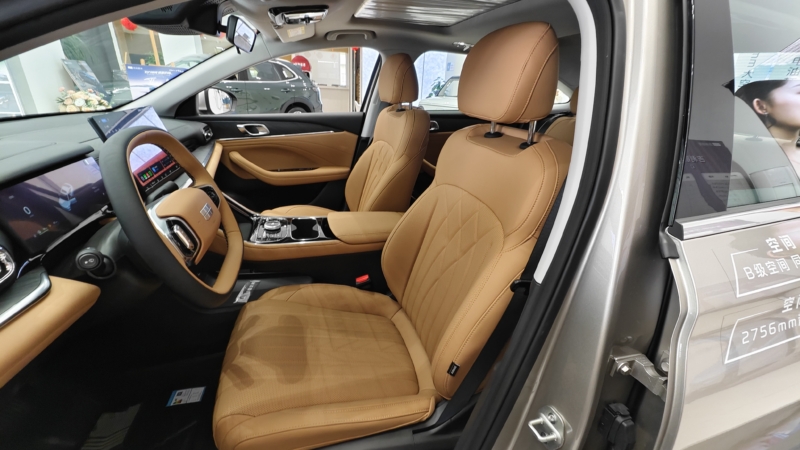
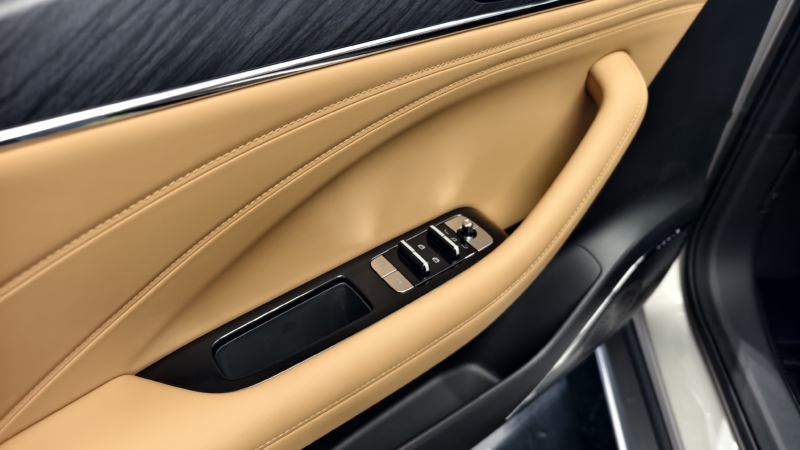
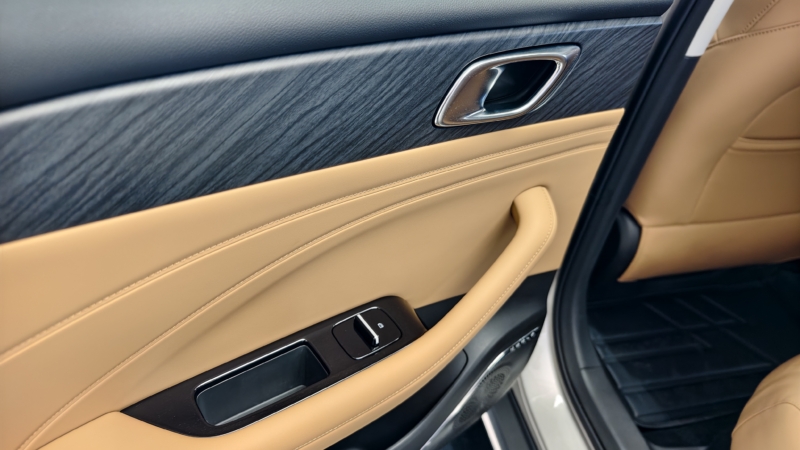
Inside, the cabin features a restrained, functional layout, emphasizing usable surfaces and clear sightlines. Materials are generally modest in touch and finish, with softer padding concentrated on frequently contacted zones such as the steering wheel and seat bolsters. More rigid plastics are present on the lower dash and door panels, reflecting cost considerations that prioritise practicality over a premium feel. Despite this, the design language is tidy, and seams and trims are assembled with reasonable alignment for the segment.
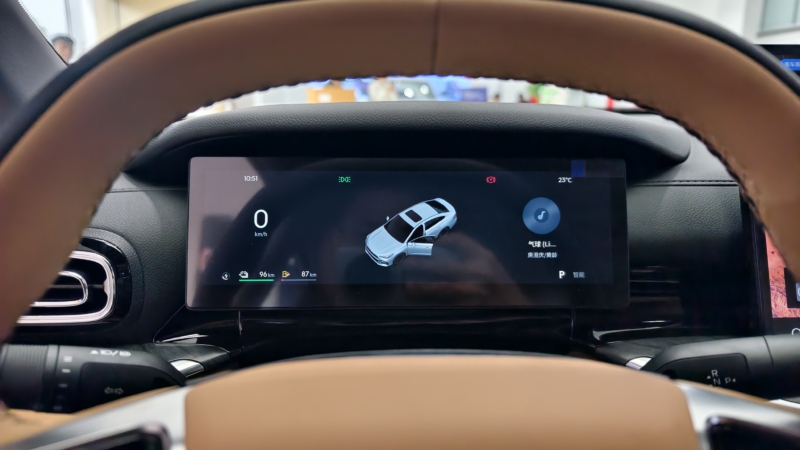
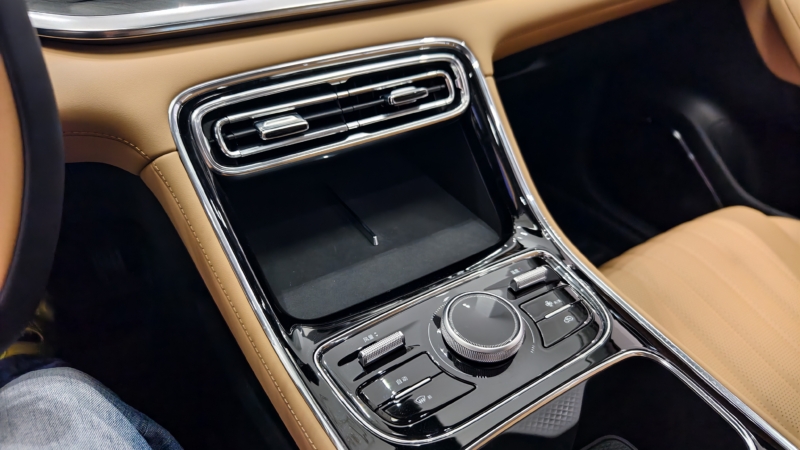
The instrument layout features a 10.2-inch digital cluster paired with a centrally mounted 14.6-inch floating touchscreen, forming the core of the vehicle’s information and control interface. The Flyme Auto infotainment system supports standard smartphone connection protocols and basic navigation, though higher-tier connectivity options common in more expensive competitors are absent on the test car. A rotary control and physical buttons on the centre stack provide intuitive access to key functions without overreliance on touch inputs.
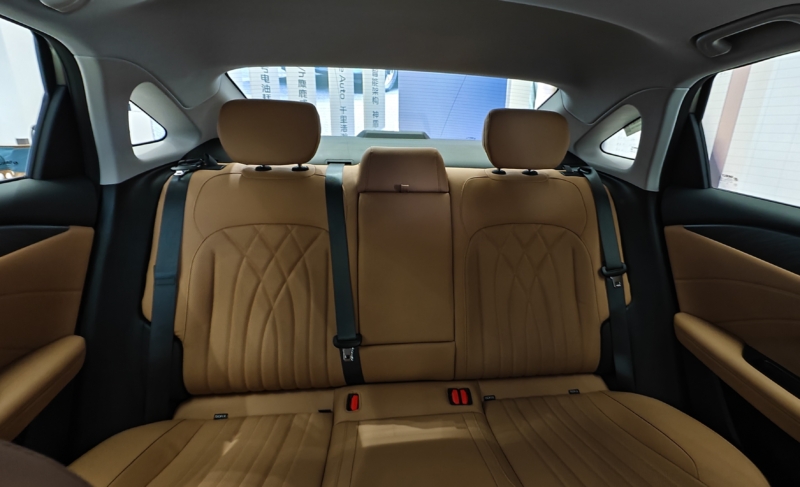
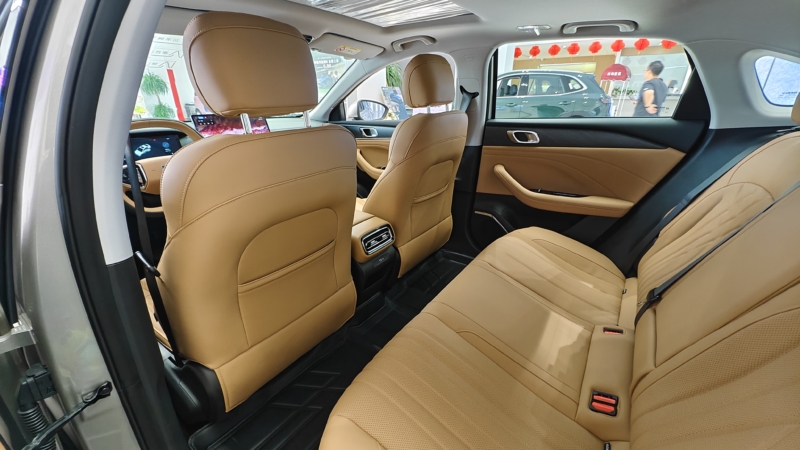
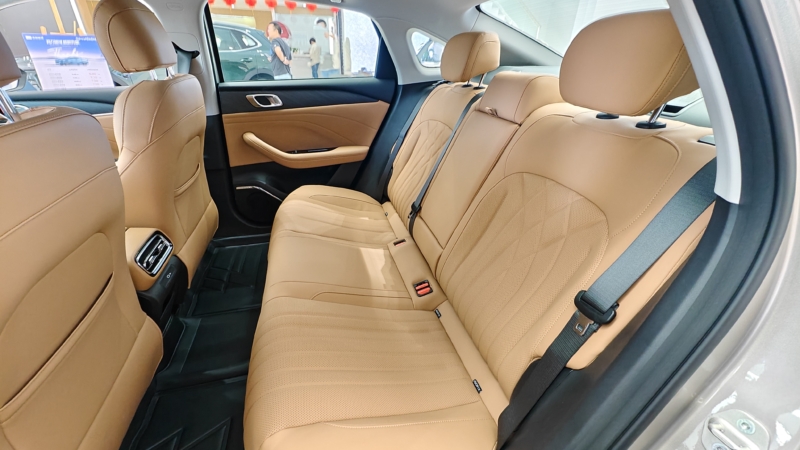
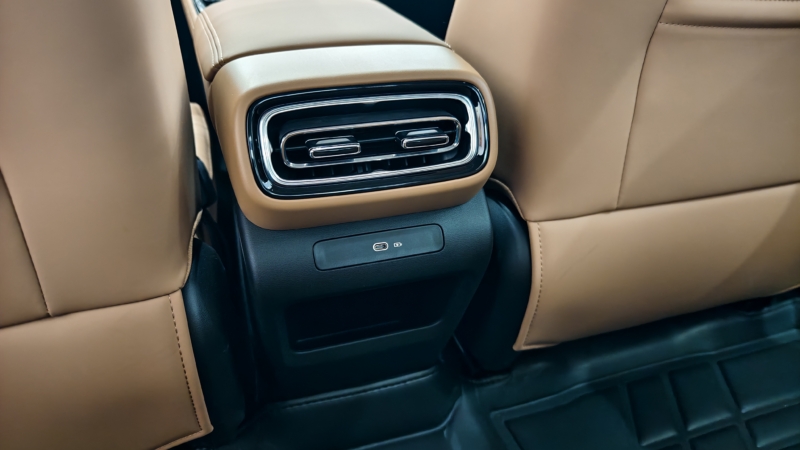
Seating is generous for a compact sedan. The driver and front passenger enjoy broad shoulder space and adequate thigh support, with the steering column and seat position offering a sense of openness ahead. Rear seats provide notable knee and head room relative to wheelbase expectations, and the slight central tunnel rise typical of front-drive platforms does not significantly compromise seating space for a third occupant. The rear bench’s overall width and cushioning support everyday family use without imposing undue restrictions on legroom.
Driving Experience
The Starshine 6’s hybrid powertrain blends a naturally aspirated 1.5-litre petrol engine with a 120 kW electric motor. While Geely does not publish official 0-100 km/h figures, real-world impressions suggest brisk acceleration in the 7-second range, aided by the electric drive’s immediate torque delivery. On mixed urban and interurban routes, the powertrain delivers adequate response for overtaking and merging, with a smooth transition between electric and hybrid modes that emphasises fuel economy objectives without perceptible hesitation.
Steering feel is weighted toward confidence and precision within typical city and highway speeds. The ratio and heft provide a connected sensation through corners and at speed, contributing to a composed steering profile not always found in vehicles at this price point. Suspension tuning leans on a McPherson strut front and torsion beam rear setup, which balances vertical compliance with lateral control. On undulating surfaces, the chassis maintains stability and suppresses excessive body movement, though higher frequency texture on coarse pavement introduces noticeable noise into the cabin.
Noise, vibration, and harshness control are adequate at moderate cruising speeds, but road and wind noise become discernible on faster sections of expressway. Diesel-like tyre and road texture feedback at around 60 km/h and above highlights the trade-off between structural refinement and cost optimisation. Braking performance is competent, with predictable modulation, though initial pedal feel is firmer and could benefit from further calibration to achieve a more linear bite. These characteristics underscore a dynamic balance that favours energetic handling over outright cabin tranquillity.
Fuel efficiency is a stated focus of the Starshine 6’s plug-in hybrid system. During the short test drive, the powertrain prioritised electric operation at low speeds and light throttle inputs, with smooth transitions to hybrid running when required. While the brief driving window does not allow for verified consumption figures, the system behaviour aligns with its intended use case of covering short daily trips primarily on electric power, while relying on the combustion engine for longer journeys.
Verdict
The Geely Galaxy Starshine 6 presents a distinctive value proposition in the competitive compact plug-in hybrid sedan segment. Its external proportions exceed the visual scale of many direct competitors, while interior space utilisation supports both driver and passenger needs without imposing undue constraint typical of the class. The tested trim reflects a baseline configuration that omits some advanced driver assistance features and higher-tier connectivity, yet retains a coherent feature set that supports everyday usability.
Driving dynamics position the Starshine 6 closer to driver-oriented hybrids than to purely comfort-biased alternatives. Steering precision and chassis response contribute to a grounded sense of control, and powertrain performance is responsive enough for highway conditions. Trade-offs include acoustical refinement and brake pedal tuning that could be more linear. Still, these are consistent with the segment’s broader expectations and do not significantly detract from overall capability.
When benchmarked against similar offerings from BYD at identical price points, the Starshine 6’s attributes in space, handling, and electric range options reinforce its competitiveness. The vehicle’s strategic positioning by Geely aligns with a broader industry shift toward hybrid solutions that support long range and low operating cost without sacrificing driveability.