Xiaomi CEO’s live‑teardown of YU7 SUV defends vehicle against viral criticism and shows materials quality
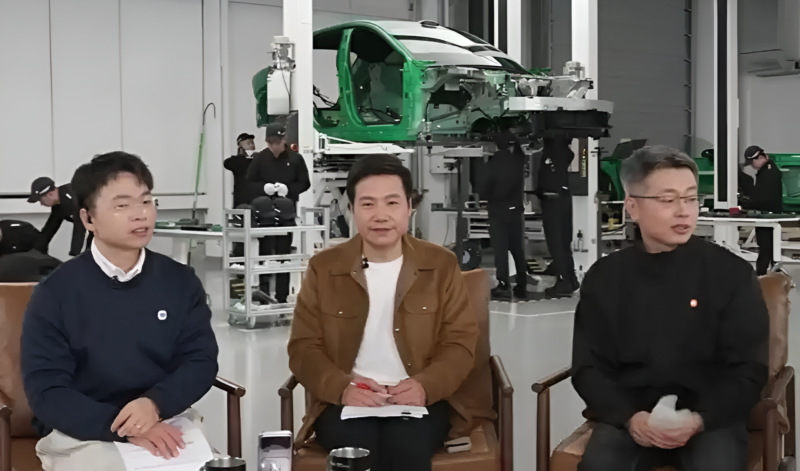
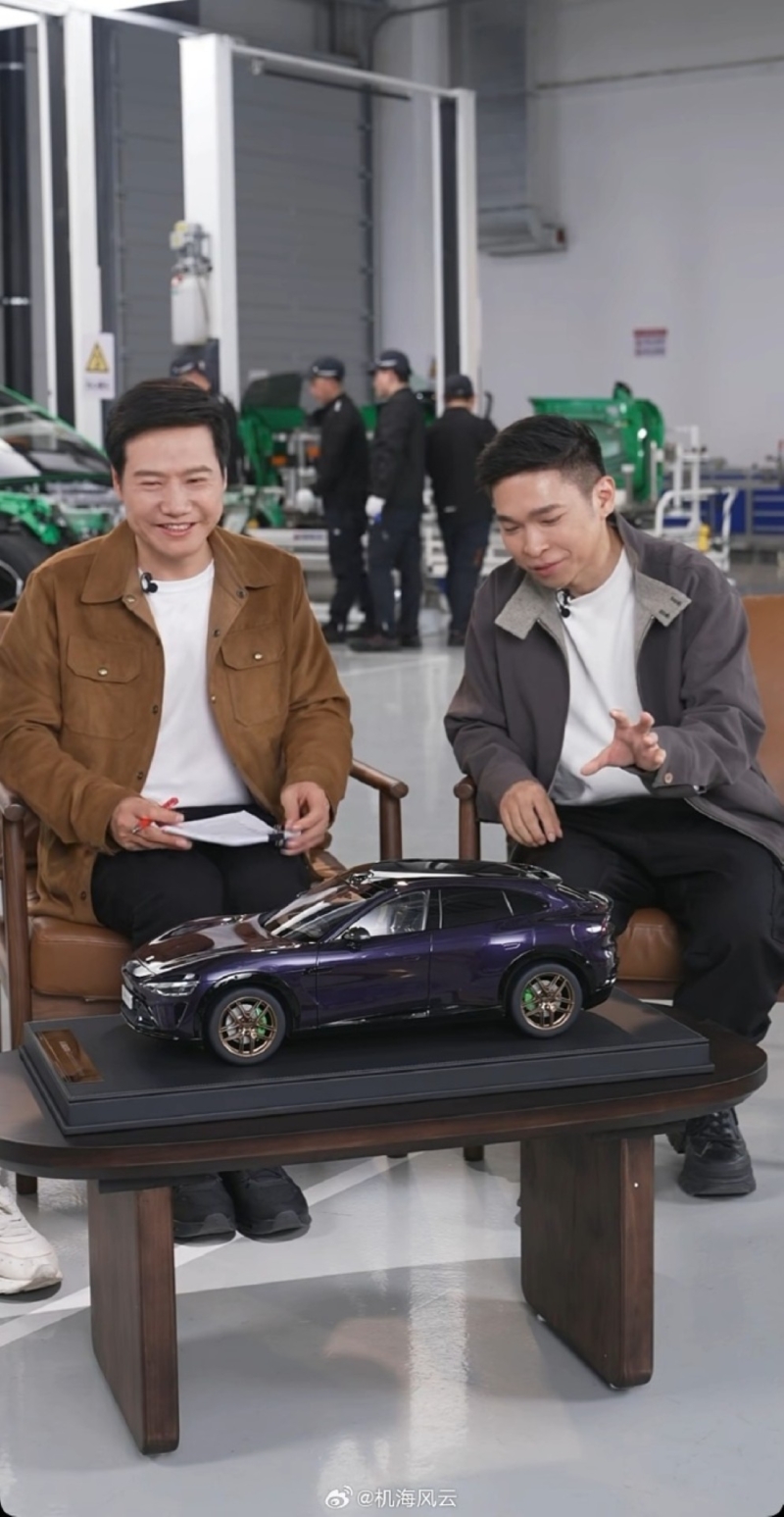
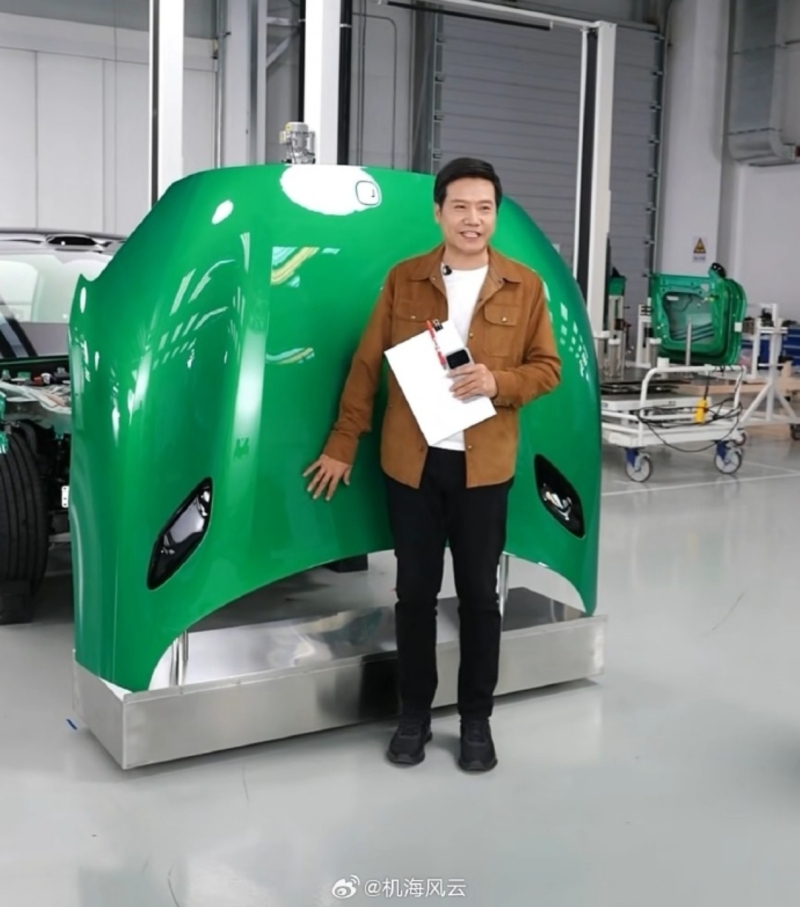
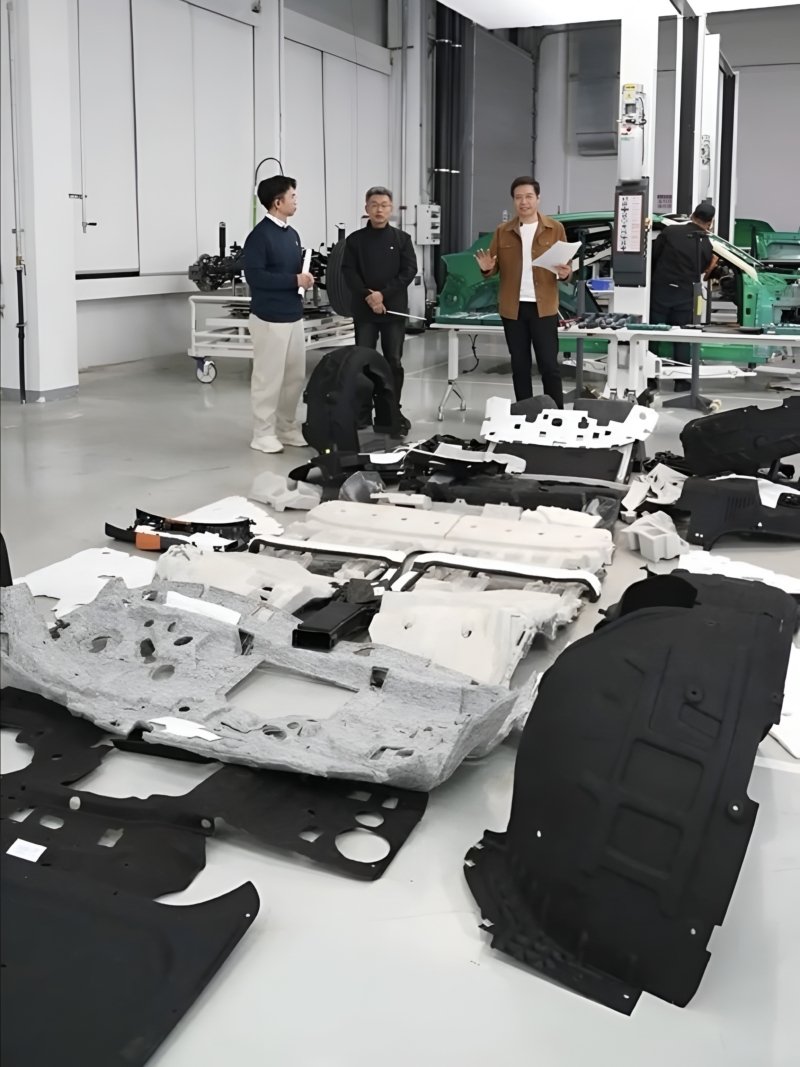
Xiaomi founder, chairman, and CEO Lei Jun held a live broadcast on January 3, 2026, in which he invited company engineers to tear down a new Xiaomi YU7 electric SUV on camera. The livestream, which lasted four to five hours, was presented as a direct response to online discussions and viral criticism regarding Xiaomi’s vehicles.
During the livestream, Lei Jun addressed several widely circulated criticisms and misconceptions about Xiaomi vehicles. These included misquotes about the YU7’s range, viral clips suggesting “200 km/h instant braking,” videos of wheels detaching during collisions, small-font marketing disclaimers, and manipulated social media content such as the so-called “green belt incident.” Other points included a false rumor that Xiaomi restricted farmers from selling its products and questions about the YU7’s build quality as the company’s second mainstream EV. Lei Jun clarified each point, explained the engineering rationale behind design choices, and encouraged fair, fact-based reviews.
Lei Jun stated that the session aimed to showcase the engineering and material quality of the YU7 and to clarify misunderstandings circulating online. He emphasized that the livestream was not for show, saying: “I want to let everyone see where our responsibility in making cars lies.”
During the broadcast, Lei addressed several widely circulated points. One involved the claim that the YU7 could run 1300 kilometers on a single charge. Lei clarified that his original statement referred to “1300 kilometers with only one intermediate charge,” which was misquoted online as covering the full distance on a single charge. Similarly, he responded to reports of “200 km/h instant braking,” explaining that this originated from a factory test of the SU7 Ultra and had been misrepresented through selective video editing.
Lei also explained that videos showing YU7 wheels detaching during collisions reflected safety design rather than a material defect. The wheel ejection mechanism is intended to reduce cabin compression and channel impact forces safely. Additionally, the company clarified that the claim “Xiaomi does not allow farmers to sell Xiaomi” was a misinterpretation of complaints about malicious accounts and not a restriction on agricultural trade.
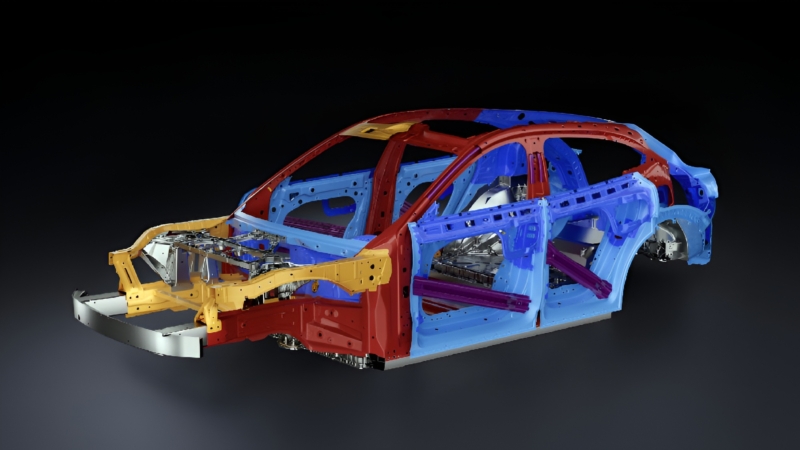
Lei invited further reviews while emphasizing fair commentary and segment-appropriate comparisons, noting that comparing a mid‑segment vehicle like the YU7 with higher-end models priced at one to two million yuan (approximately 285,965 USD) is unreasonable. He also addressed past marketing and product controversies, including small-font disclaimers on the 17 Pro poster and the YU7’s use of 2200 MPa high-strength steel, which was co-developed with Wang Guodong’s research team and is among the strongest used in production vehicles.
The livestream began with the comments section closed, but was later opened to allow audience interaction. Lei Jun repeatedly encouraged viewers to ask questions, noting that the company was willing to provide explanations and clarifications for any concerns.
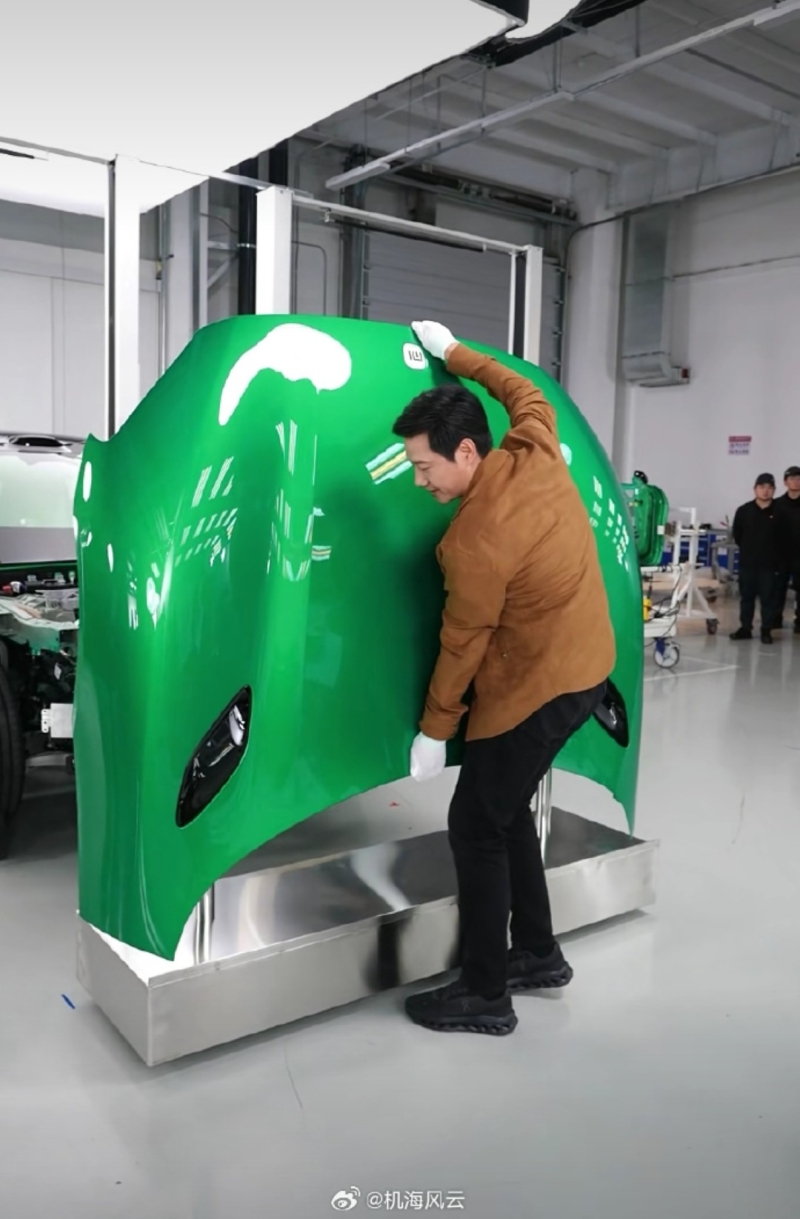
Following the livestream, Lei Jun also clarified how the dismantled YU7 would be handled. He said engineers confirmed the vehicle can be fully reassembled and will undergo a rigorous quality inspection after reassembly. However, Lei Jun stated that the vehicle used in the live teardown will not enter the sales channel and may instead be retained for testing or experimental purposes. He added that reassembly would not be livestreamed, noting that many viewers found the teardown itself difficult to follow.
The YU7, Xiaomi’s second mainstream electric vehicle after the SU7, has drawn attention for both its engineering choices and its role in viral online discussions. The live teardown marks Xiaomi Automobile’s first public effort to address these topics in detail and provides a factual record of the YU7’s design and materials.
In the same livestream, Lei Jun shared Xiaomi Automobile’s delivery performance, stating that the company delivered 410,000 vehicles in 2025. He set a 2026 delivery target of 550,000 units, noting that the goal was carefully chosen to be ambitious yet achievable. The livestream also addressed viral online content, including the so-called “green belt incident,” which the company clarified consisted of manipulated clips assembled to attack Xiaomi. Lei Jun explained that the temporary closure of the livestream comments was intended to prevent coordinated trolling from affecting viewers, while emphasizing that Xiaomi values feedback from real users. He also acknowledged that small-font disclaimers in marketing materials are industry standard and committed to correcting this practice to avoid misinterpretation as false or excessive marketing.
Updated: 05/01/2025 11:00 am China time