GWM and Geely highlight vehicle intelligence at CES 2026, showcasing autonomous systems
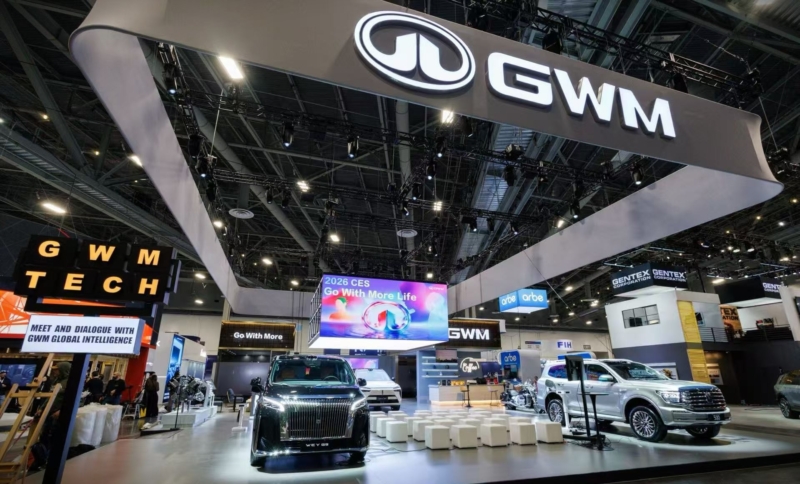
As CES 2026 opened on January 6 in Las Vegas, carmakers and automotive technology suppliers presented developments in intelligent vehicle systems and related applications. The event included participants from Chinese and international automakers, among them Great Wall Motor, Geely, BMW, and Mercedes-Benz. Exhibits covered intelligent electric vehicles, software-defined architectures, and in-vehicle AI applications, as reported by CLS.
Great Wall Motor returned to CES for a second consecutive year. Chairman Wei Jianjun said in a social media post that the company’s global brand recognition remains limited and that engagement with overseas markets is necessary. He described CES as an opportunity to communicate and exchange with the international automotive and technology sectors.
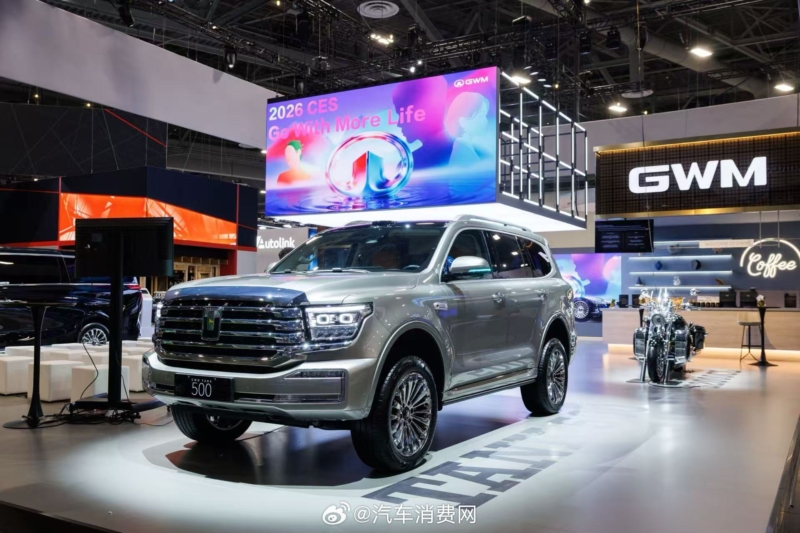
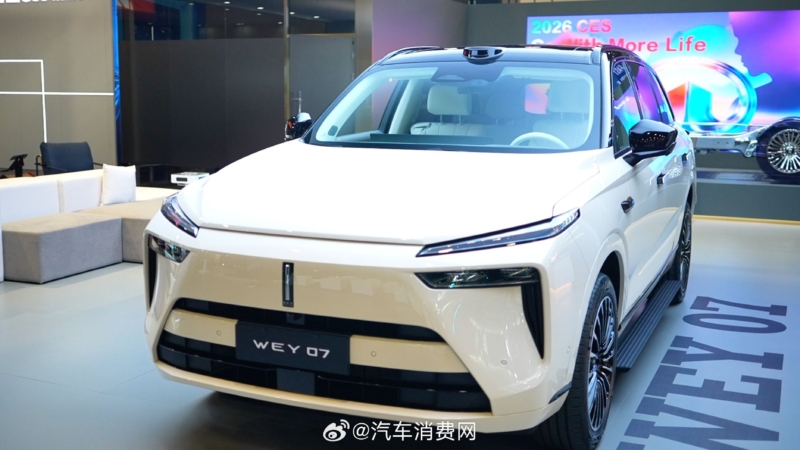
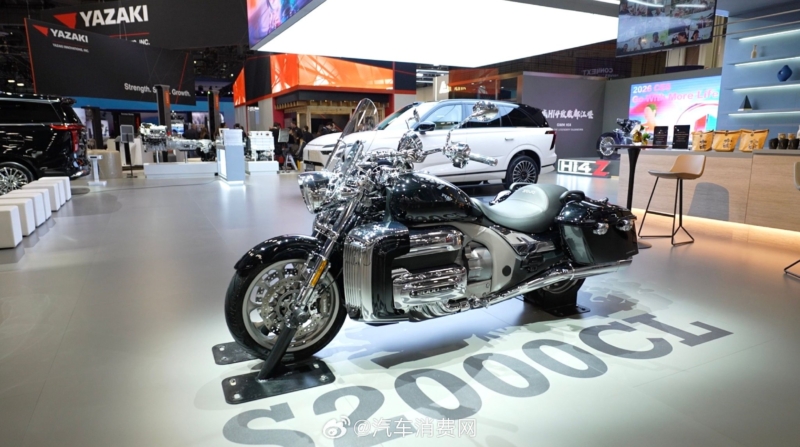
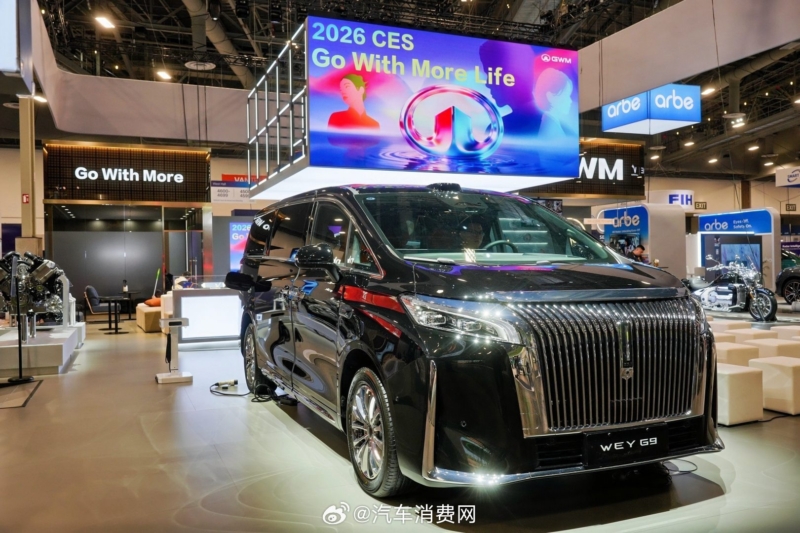
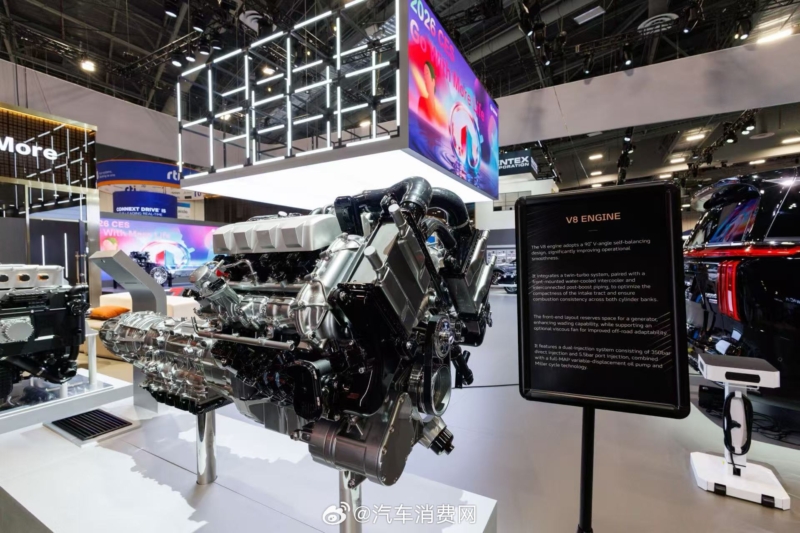
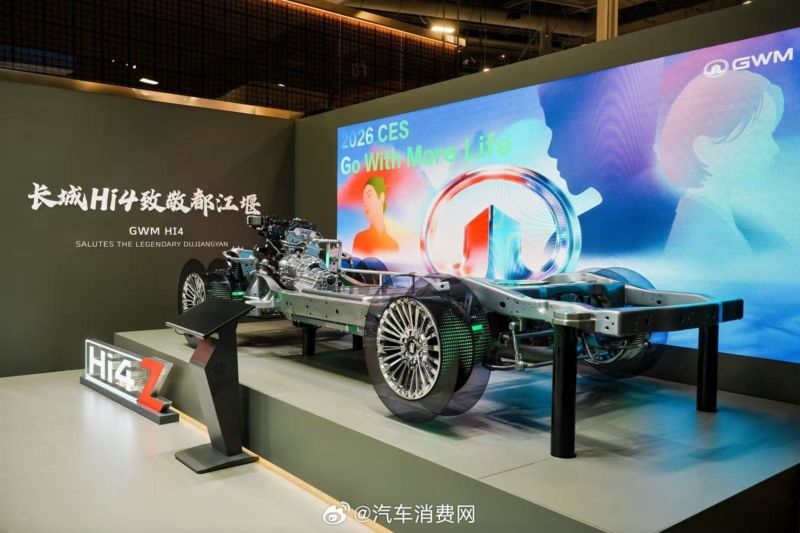
At the exhibition, Great Wall Motor displayed production and near-production models, including the Wey Gaoshan 9, the updated Wey Lanshan Intelligent Advanced Edition, the Tank 500 Hi4-T, and the Soul S2000CL motorcycle. Technology demonstrations included the Hi4-Z architecture, semi-solid-state battery technology, hydrogen fuel-cell engines, the ASL 2.0 intelligent agent, and the VLA full-scenario large model.
Intelligent vehicle systems were a notable focus at CES 2026 among automakers and suppliers, with applications spanning driver-assistance systems, in-cabin AI, and software-defined vehicle platforms. Geely presented its World Action Model (WAM), which the company describes as a unified “vehicle brain” capable of self-reflection and continuous evolution.
According to Geely, WAM underpins its full-domain AI framework, which has entered a 2.0 phase and is applied across vehicle architecture, powertrain, chassis, assisted driving, and cockpit systems. The assisted driving component is branded G-ADS, short for Geely Afary Driving System, with Afary Technology being the English name of Qianli Technology. Geely said the WAM model has already been deployed via over-the-air updates to several Lynk & Co and Zeekr vehicles and can operate using the existing hardware of most current models. The company added that around ten new models are planned for launch in 2026 under this framework.
International companies also highlighted the use of AI in vehicles. BMW integrated Amazon Alexa+ technology into its models for in-vehicle AI assistant functionality, while Mercedes-Benz demonstrated its MB.OS is the operating system for vehicle operation and interaction.
Automotive suppliers showcased related innovations. Bosch presented AI cockpit solutions and vehicle-to-home ecosystem platforms. LG displayed an AI cockpit platform using Qualcomm Snapdragon Cockpit Elite chips with on-device AI inference. Mobileye demonstrated updates to SuperVision, Chauffeur, and Drive platforms, which have secured production orders across 17 vehicle models, with deployments scheduled from 2026. Chinese lidar supplier Hesai Technology said it would double its annual production capacity from 2 million units in 2025 to 4 million units in 2026 for ADAS and robotics applications.
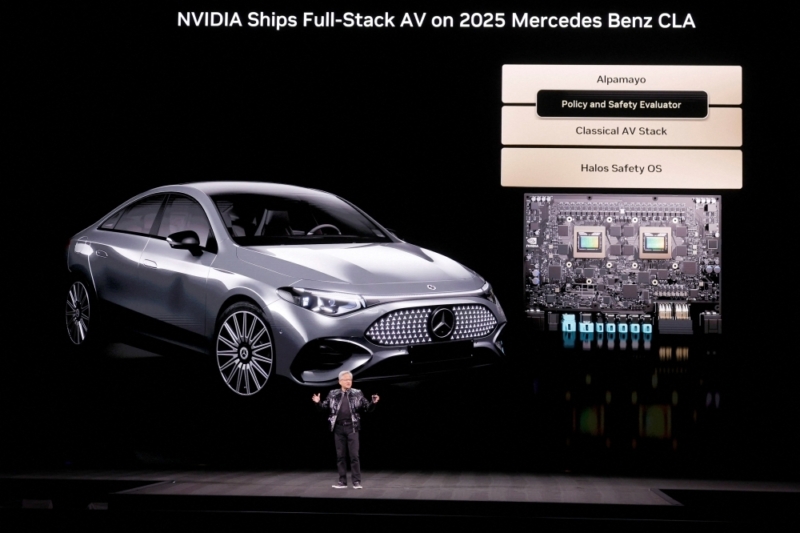
Nvidia introduced Alpamayo, a reasoning-focused model for autonomous driving using a vision-language-action framework. The Mercedes-Benz CLA is set to be the first model to adopt the platform. Nvidia CEO Jensen Huang said production vehicles equipped with the technology are scheduled to launch first in the US in Q1 2026, followed by Europe in Q2 and Asia later in the year.
Updated: 07/01/2026 03:17 China Time