BYD rolls out God’s Eye 5.0 assisted driving system after deployment on over 2.3 million vehicles in China

BYD released its latest assisted driving system, God’s Eye 5.0, in China. The update is a new iteration of BYD’s in-house assisted-driving software and focuses on reinforcement learning and closed-loop, end-to-end control.
God’s Eye 5.0 follows earlier versions of BYD’s God’s Eye assisted driving system, which was first introduced in February 2025. Since its initial release, the system has been rolled out across a wide range of BYD models using different hardware configurations, allowing deployment from entry-level vehicles to higher-spec models.
BYD brands its assisted driving suite in China as God’s Eye. Within this framework, the God’s Eye C, B, and A systems correspond to the DiPilot 100, DiPilot 300, and DiPilot 600 hardware tiers, respectively. Each tier offers different levels of sensor integration and assisted driving capabilities, and all functions under the God’s Eye name are part of a unified system rather than separate legacy projects.
By the end of 2025, BYD stated that more than 2 million vehicles in China were equipped with God’s Eye assisted driving functions. Later disclosures indicated that the installed base had exceeded 2.3 million vehicles as additional models adopted the system. These vehicles form the current operational fleet supporting the system.
BYD reported that vehicles equipped with earlier God’s Eye versions collectively generate more than 160 million kilometres of driving data per day when assisted driving functions are active. The company uses this data for software training and updates related to perception and vehicle control.
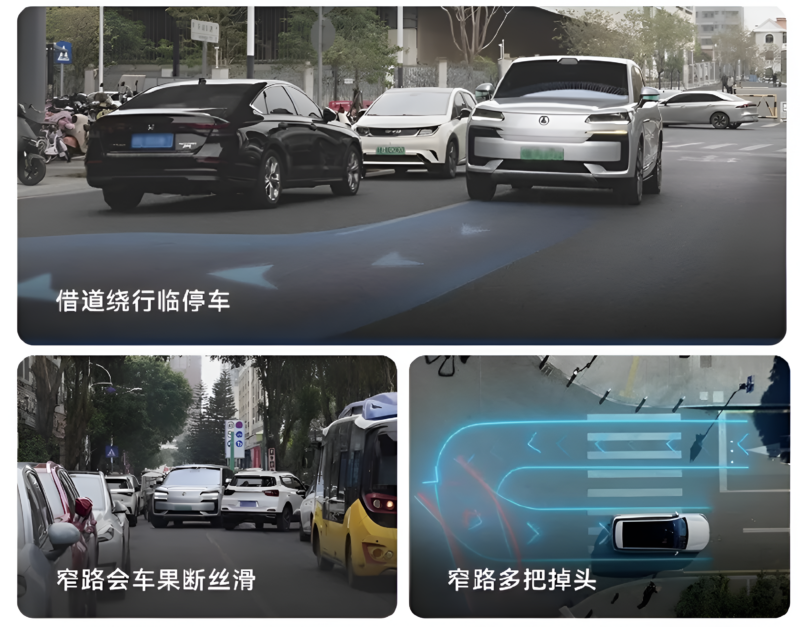
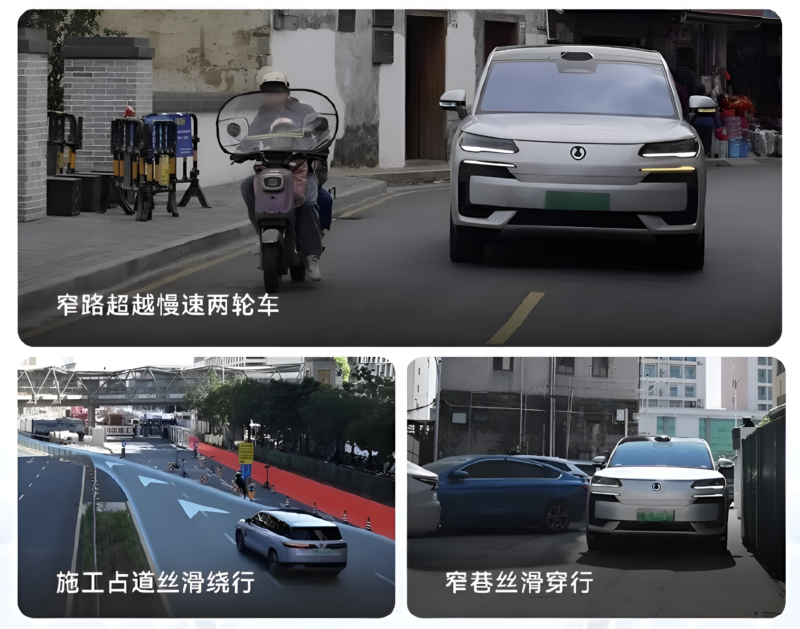
According to BYD, God’s Eye 5.0 leverages large-scale AI models and reinforcement learning to enable a closed-loop workflow from sensing to execution. The system processes real-world driving inputs to update decision logic, replacing fixed rule-based strategies used in earlier implementations.
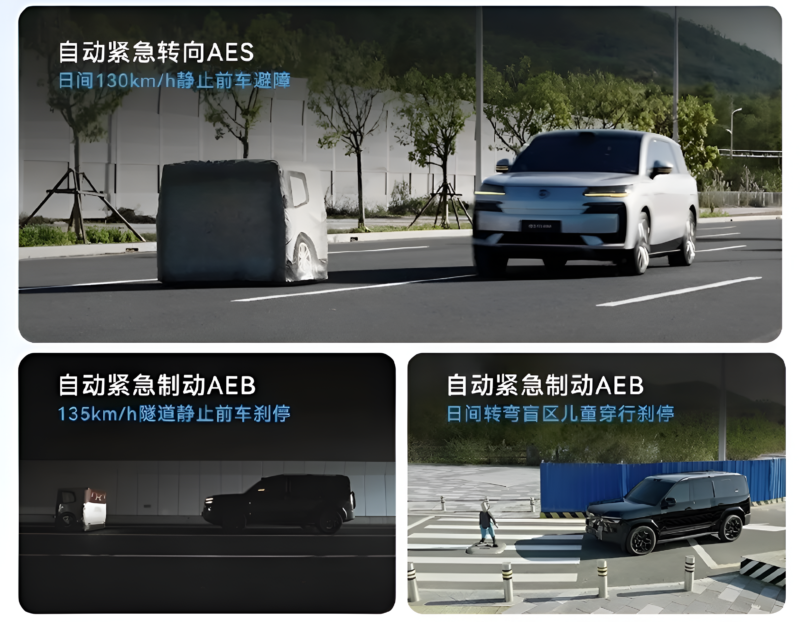
BYD stated that God’s Eye 5.0 includes updates to automatic emergency steering and automatic emergency braking functions. These functions are designed to respond to stationary vehicles, pedestrians, and children, including in low-visibility environments such as tunnels. BYD described these functions as assisted-driving features rather than autonomous-driving capabilities.
God’s Eye 5.0 uses a multi-sensor configuration combining cameras, millimetre-wave radar, and ultrasonic sensors, paired with a high-computing processing platform. BYD stated that feature availability depends on vehicle hardware specifications, with higher-tier configurations supporting a wider range of functions and additional updates delivered through over-the-air software releases.
Update: 28/01/2026 19:50 China time – the update clarifies that DiPilot is the hardware tier within God’s Eye, not a predecessor.