BYD breaks ground with solid-state battery to power 2027 EVs and 10,000-cycle sodium pack in development
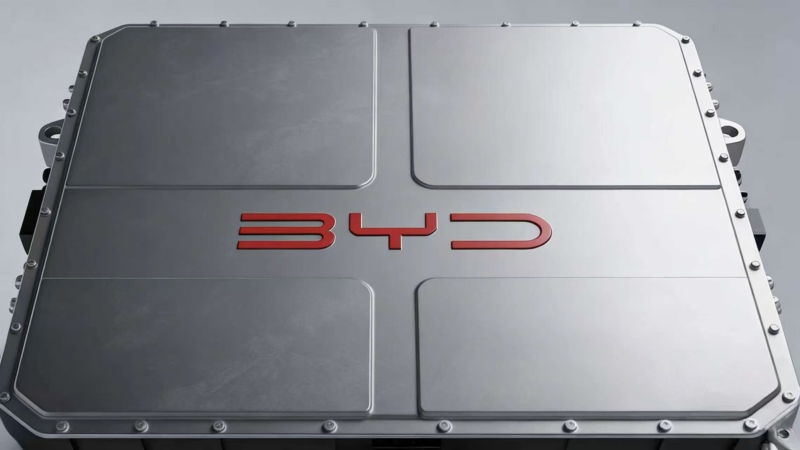
BYD has achieved technical progress on its sulfide solid-state battery, reporting improvements in cycle life and fast-charging performance, with small-batch production expected in 2027. The company’s investor relations department confirmed multiple development paths in solid-state technology, highlighting sulfide electrolytes as a key focus. This milestone positions BYD alongside global battery makers preparing to begin pilot production of solid-state batteries in the mid-2020s, as reported by IT-home.
In addition to sulfide solid-state batteries, BYD is advancing its third-generation sodium-ion platform. The technology reportedly supports up to 10,000 charge cycles, though commercial production timelines will depend on market demand and customer deployment schedules. BYD’s development indicates a parallel approach to energy storage, exploring both lithium-based and sodium-based chemistries for future electric vehicles.
As CarNewsChina previously reported, BYD plans to begin installing demonstration vehicles with full solid-state batteries around 2027, with large-scale adoption expected after 2030. At the 2025 China Solid-State Battery Innovation Development Forum, BYD’s lithium battery CTO noted that scaled solid-state batteries could reach cost parity with conventional liquid-electrolyte ternary cells, supporting broader commercial viability.
The recent breakthroughs cover two critical areas. First, battery life improvements address long-standing limitations in solid-state cycle stability, a key factor for vehicle longevity. Second, fast-charging performance enhancements aim to overcome the slower ion transport typical of early solid-state designs. Both advances are critical for near-term production readiness.
Sulfide solid electrolytes are considered a practical path to early solid-state commercialisation due to higher ionic conductivity and manufacturability. BYD’s progress reflects industry trends emphasising pilot-scale solid-state production between 2025 and 2027, with broader market integration anticipated in the early 2030s.
While BYD has not confirmed specific vehicle models for initial deployment, the 2027 small-batch target suggests use on select high-end or demonstration vehicles. Wider adoption will depend on manufacturing scale-up, cost reductions, and customer requirements. The reported technical achievements strengthen BYD’s positioning in next-generation battery development alongside other global manufacturers.
BYD’s breakthroughs in sulfide solid-state batteries highlight measurable progress in energy density, durability, and fast-charging capability, supporting pilot-vehicle applications within the next two years.