Margins collapse: European luxury dealers face reckoning in China
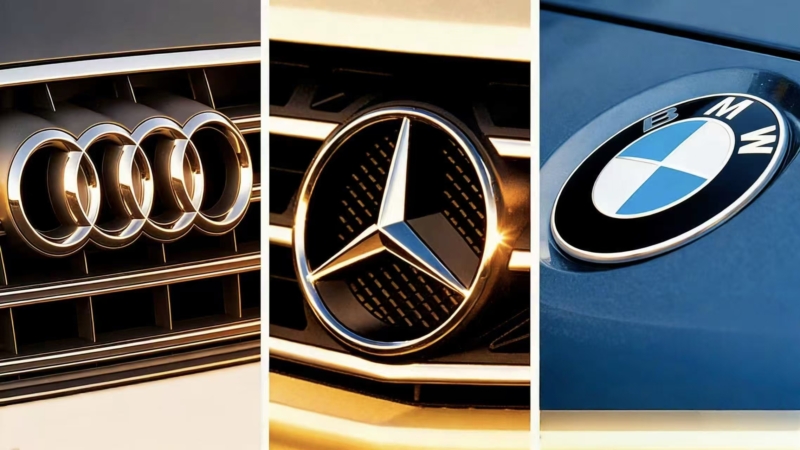
China’s luxury automotive market continued to shift in early 2026 as aggressive price adjustments from major European premium brands intersect with rising dealer distress and structural retail challenges across the country. Building on CarNewsChina’s Feb 13 report on pricing moves by BMW, Mercedes-Benz and Audi, recent industry analysis from AutoReport shows that the downstream retail channel is under escalating pressure from compressed margins and shifting consumer demand.
Price adjustments strain dealer economics
Following price reductions that in some cases exceeded 10 % on dozens of core models, including territory‑wide cuts on BMW sedans and SUVs and Mercedes‑Benz C‑Class and GLC series, many dealers reported that official retail guidance cuts have not resolved longer‑standing profitability issues. Deep unofficial discounts at the terminal persist as inventory backlogs weigh on retail cash flow.
One retail industry group noted that more than half of car dealers in China operated at a loss in the first half of 2025, with only around 30 % achieving profitability, a figure that barely improved as the traditional luxury segment entered 2026. Continued discounting has squeezed dealer margins on new luxury vehicle deliveries below break‑even, forcing many outlets to reassess operations.
Dealer closures and network contraction
The downstream impact of prolonged soft demand and price pressure is visible in dealer network dynamics. Numerous luxury dealerships exited the market in late 2025 and early 2026, particularly in second- and third-tier cities where retail traffic remains lower. Reports from AutoReport highlight increasing closures and consolidation as dealer groups cut costs and realign strategies toward brands with stronger retail fundamentals.
Industry analysts also expect further contraction in dealer count through 2026 as manufacturers and networks adapt to lower overall margins. Large dealer groups are reportedly focusing on reducing fixed cost structures, consolidating showroom footprints, and exploring multi‑brand or shared retail formats to mitigate losses.
Competitive landscape and demand shifts
The retail strain coincides with broader structural changes in China’s passenger car market. Despite continued interest in electrified and premium models, overall passenger car sales growth has moderated, and domestic new-energy vehicle brands are increasingly capturing buyer attention and showroom floor space. This shift has compounded pricing pressure on legacy European luxury brands, which face intensified competition not only on price but also on product relevance.
Market observers also point to recent regulatory steps aimed at curbing “below cost” pricing tactics for automobiles, a measure intended to protect retail margins and dealer viability after years of aggressive discounting eroded traditional pricing structures.
Outlook
With pricing moves now intersecting with dealer network distress and broader market dynamics, China’s luxury automotive retail sector appears to be in a transitional phase. How traditional premium marques adapt dealer support policies, network strategies, and localised product offerings could be critical in stabilising their China operations amid continued competition from domestic brands and evolving consumer preferences.