BYD applies to export electric vehicles to Canada under the new 6.1% tariff rate
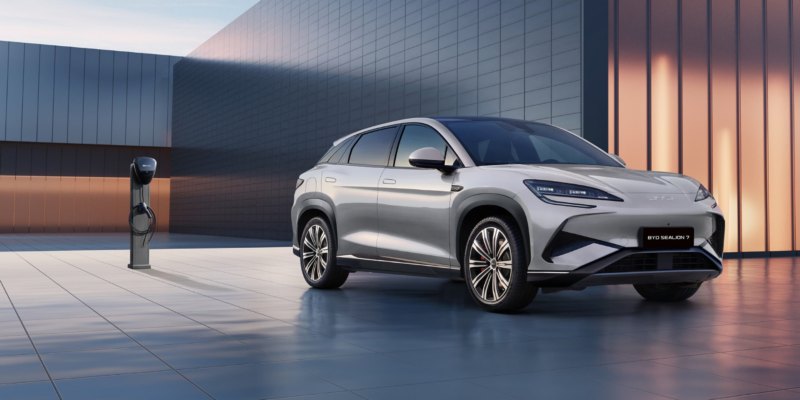
Canada has opened its doors to Chinese electric vehicles by establishing an import quota system that will allow up to 24,500 Chinese-made EVs to enter the country under the Most Favoured Nation tariff rate of 6.1% between March 1 and August 31, 2026.
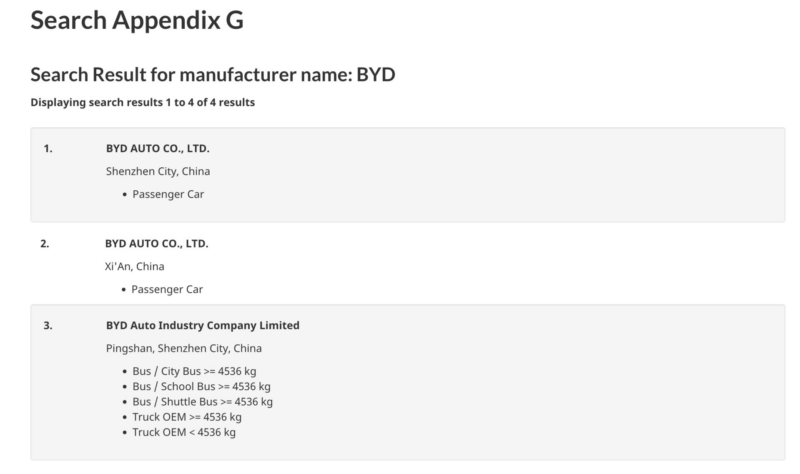
BYD, China’s leading electric vehicle manufacturer, has already positioned itself to take advantage of this opportunity, according to regulatory filings with Transport Canada. The company has registered vehicles manufactured in both Shenzhen and Xi’an for potential export to the Canadian market.
Global Affairs Canada announced that import permits will be distributed on a “first-come, first-served” basis. The initial quota encompasses a total of 49,000 vehicles, including battery electric, hybrid, and plug-in hybrid vehicles, with plans to expand the quota to 70,000 vehicles by 2030.
This represents a reversal from Canada’s previous stance. In October 2024, the Canadian government imposed a 100% additional tariff on Chinese electric vehicles, effectively raising the combined duty to 106.1% and bringing Chinese EV exports to Canada to a virtual standstill.
Canadian Prime Minister Mark Carney has indicated that within five years, more than half of electric vehicles imported from China will be affordable models priced below 35,000 Canadian dollars (approximately 25,700 USD).
According to Cui Dongshu, Secretary General of the China Passenger Car Association, this policy direction aligns perfectly with the core competitiveness of Chinese brands. “Chinese independent brands are fully capable of meeting Canadian consumers’ demand for affordable electric vehicles,” he noted.
Prior to the implementation of the 100% tariff, Chinese EV exports to Canada had been growing rapidly. In 2023, China exported 41,700 new energy passenger vehicles to Canada, an increase of 751% year-on-year. In the first half of 2024, exports reached 13,200 units, up 500% year-on-year.
Statistics Canada data show that Canada’s imports of electric vehicles from China surged from less than 100 million Canadian dollars in 2022 to 2.2 billion Canadian dollars in 2023, representing approximately 44,400 vehicles, primarily Tesla Model Y. However, after the tariff was imposed in October 2024, exports plummeted by 92% in the fourth quarter of that year.
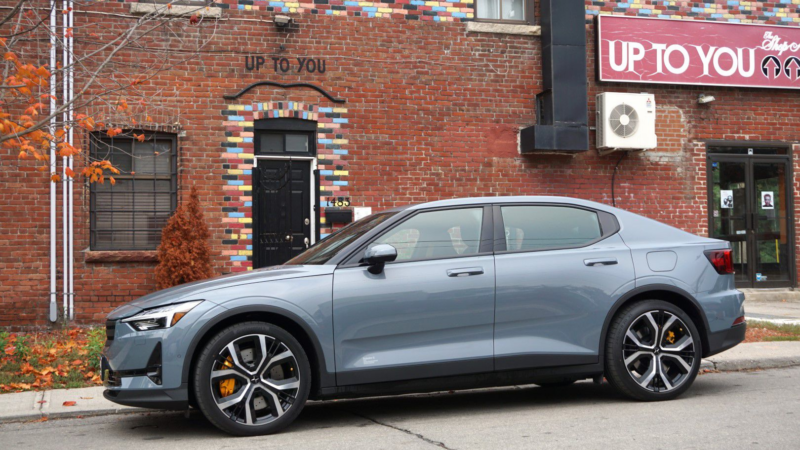
As reported by Chinese media NBD, Chinese-made car brands previously exported to Canada include Tesla, Volvo, and Polestar. Taking Volvo as an example, it had previously exported models such as the Chinese-made EX30 to Canada; however, following the imposition of tariffs, Volvo is shifting the production of the affected models to its factory in Belgium.
Beyond BYD, other Chinese automakers are preparing to enter the Canadian market. China’s top car exporter Chery Automobile has been actively recruiting for various positions targeting the Canadian and North American markets, covering vehicle engineering, electronic and electrical architecture, intelligent driving, and regulatory certification.
This policy adjustment comes as China’s automobile exports continue to grow rapidly. According to data from the China Association of Automobile Manufacturers, China’s automobile exports reached a record 7.098 million units in 2025, a year-on-year increase of 21.1%. Of these, new energy vehicle exports totalled 2.615 million units, an increase of 103.7% compared to the previous year.
For now, BYD’s vehicles will need to pass multiple certifications, including Canadian Motor Vehicle Safety Standards, battery safety, battery charging interface, and data and software compliance, before receiving final sales approval in the Canadian market.