BYD unveils Blade Battery 2.0: 10-70% in 5 mins, 10-97% in 9 mins, and 20,000 flash charging stations in 2026
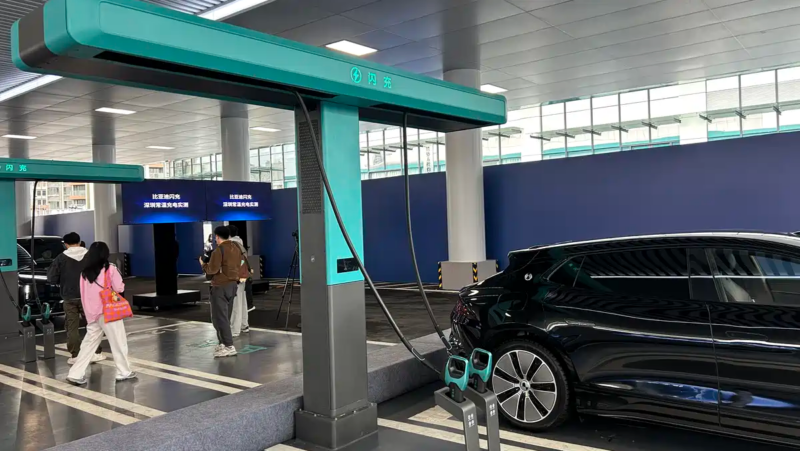
BYD, the world’s biggest new energy vehicle manufacturer, today officially unveiled its second-generation Blade Battery and Flash Charging technology. The advancements boost battery energy density and dramatically reduce charging times, even in extreme cold.
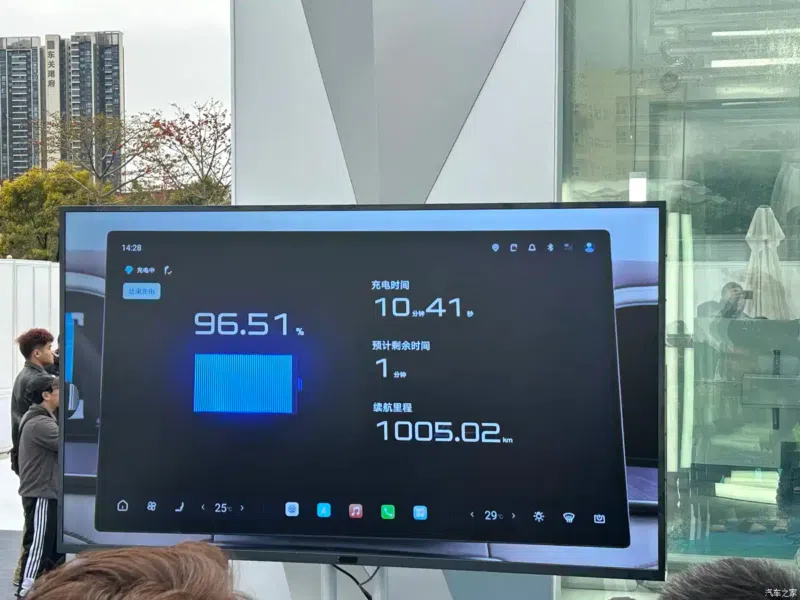
A cornerstone of the new technology is its unprecedented charging speed. The second-generation Blade Battery can charge from 10% to 70% in just 5 minutes, and from 10% to 97% in 9 minutes. Impressively, even in sub-zero conditions, the system maintains remarkable efficiency: a 20%-97% charge takes 12 minutes at -20°C, and the same 12 minutes at -30°C, just three minutes longer than at ambient temperatures for the 20%-97% range. Furthermore, when using standard charging piles, the second-generation Blade Battery charges 30%-50% faster than conventional EV batteries.
Beyond speed, the second-generation Blade Battery boasts several significant improvements over its predecessor. It achieves 5% higher energy density, promises a longer lifespan, and adheres to even stricter safety standards. Demonstrating its capabilities, the Denza Z9GT, equipped with the new battery, achieves a range of 1036 km on a single charge.
10%–70% Charging time
| Model | Time |
|---|---|
| Yangwang U7 | 4m 54s |
| Denza N9 | 4m 58s |
| Fang Cheng Bao 3 | 4m 59s |
| Seal 07 | 5m 01s |
| Great Tang (Datang) | 5m 02s |
| Sealion 06 | 5m 02s |
| Song Ultra | 5m 03s |
| Fang Cheng Bao Ti7 | 5m 09s |
| Denza Z9GT | 5m 11s |
| Yangwang U8L | 5m 11s |
To support this new technology, BYD is rolling out a new generation of Flash Charging stations. These stations feature an innovative T-shaped design, making the charging gun more accessible and convenient. The charging gun itself is more compact and includes dedicated waterproof protection.
10%–97% Charging time
| Model | Time |
|---|---|
| Fang Cheng Bao 3 | 8m 45s |
| Song Ultra | 8m 47s |
| Sealion 06 | 8m 47s |
| Seal 07 | 8m 47s |
| Denza N9 | 9m 03s |
| Fang Cheng Bao Ti7 | 9m 05s |
| Yangwang U8L | 9m 07s |
| Denza Z9GT | 9m 08s |
| Yangwang U7 | 9m 23s |
| Great Tang (Datang) | 9m 24s |
An upper sliding rail system allows for charging from greater distances, while the overall design reduces the physical footprint of the charging infrastructure. Mimicking traditional gas stations, these new Flash Charging stations will implement an idle fee for vehicles that overstay their charging time. Each charging gun delivers a maximum output of 1500 kW and operates at 1000V high voltage, ensuring rapid charging even in extreme cold.

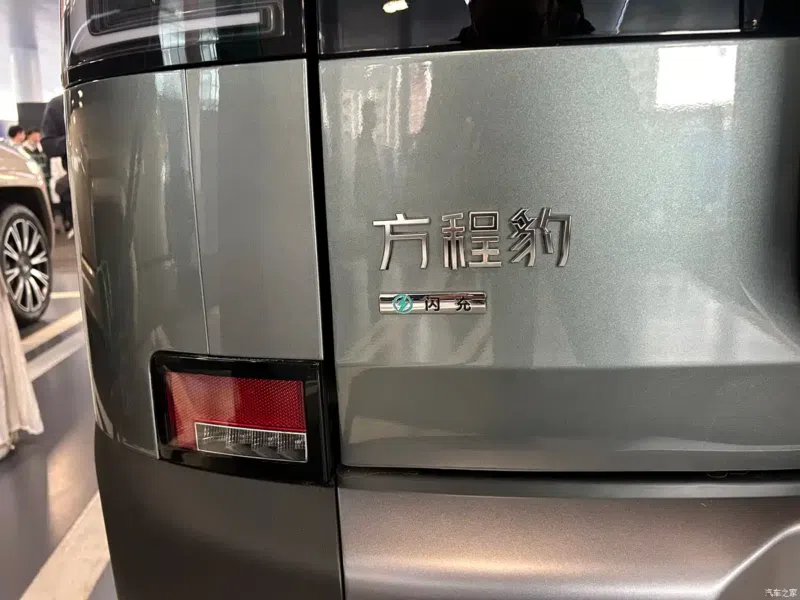
Alongside the new battery, BYD announced plans to establish a network of dedicated Flash Charging stations, with compatible vehicles featuring a unique tail badge to signify their advanced charging capabilities.
At the press conference, BYD CEO Wang Chuanfu explained that such high-power charging speeds would inevitably strain the power grid. BYD’s solution involves energy storage batteries. The company plans to collaborate with existing public charging stations to create a “station-within-a-station” model. Under this approach, BYD’s flash charging stations will leverage the existing fast-charging network to replenish their energy storage batteries. This strategy allows BYD to rapidly deploy its flash charging network without imposing additional pressure on the grid.
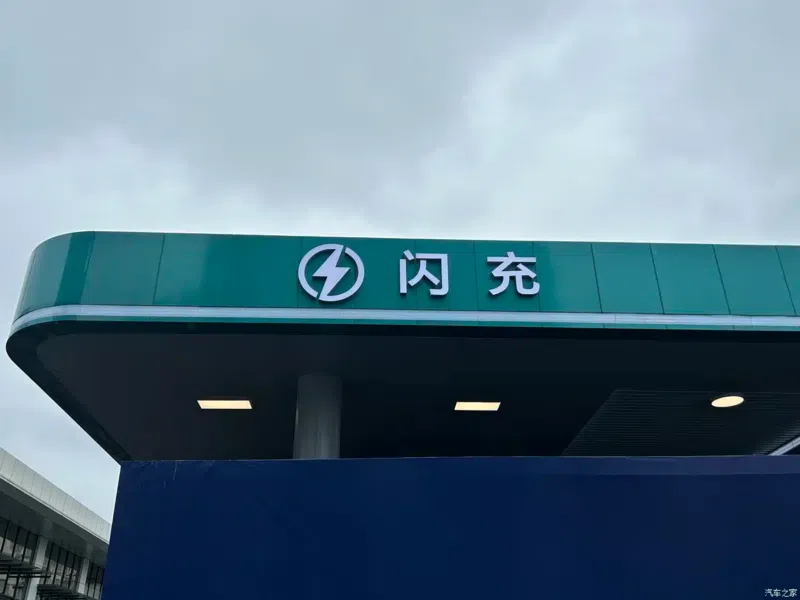
According to the plan, BYD aims to establish 20,000 flash charging stations this year, including 18,000 “stations-within-a-station.” Wang Chuanfu stated that installation is “as simple as installing an air conditioner.” In the first two months of this year alone, BYD has already completed 4,239 charging stations, which are set to become operational starting tomorrow.
Furthermore, BYD intends to deploy 2,000 highway charging stations by the end of the year, covering one-third of service areas, ensuring a BYD flash charging station every 100 kilometres.
Editor’s comment:
Indeed, what truly stood out at this press conference was not just BYD’s technological prowess, but also its ingenious strategy for building flash charging stations. This involves partnering with existing public charging networks to “embed” BYD’s flash charging piles within their established sites. Operators of these existing fast-charging facilities are highly receptive to this collaboration. Why? Because BYD brings them a significant increase in business volume.
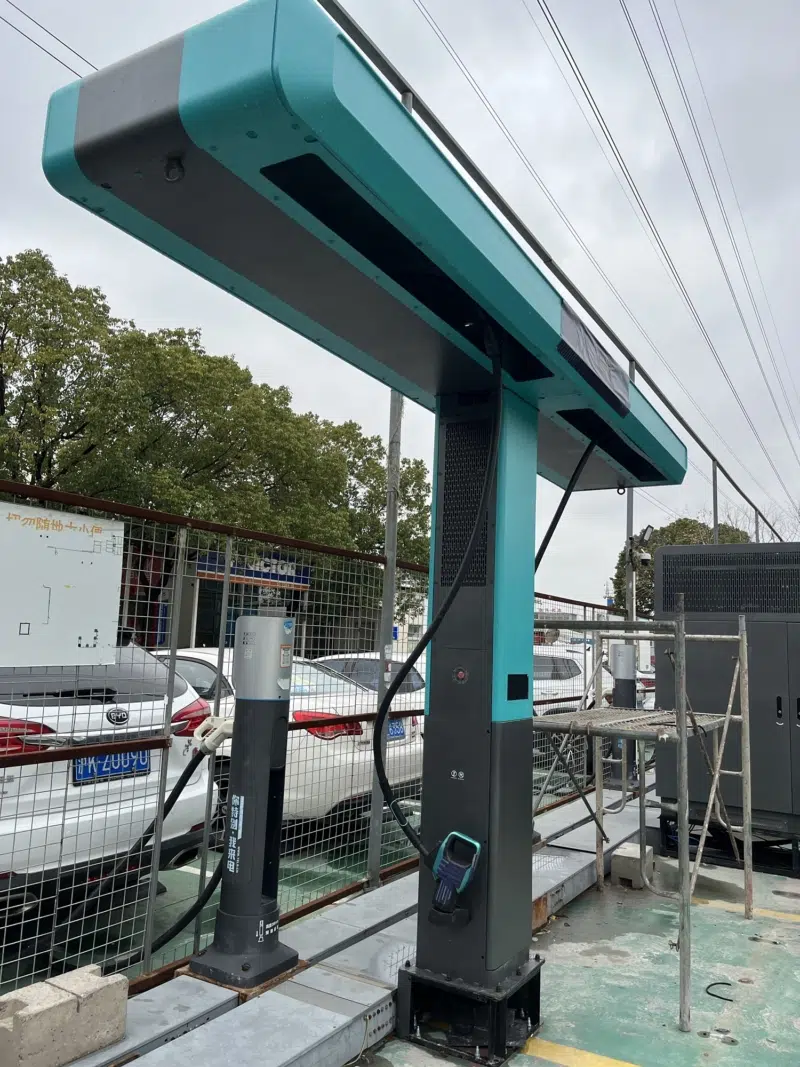
Just a few days prior, while visiting a TELD fast-charging station, I serendipitously discovered a BYD flash charging pile already in place. This, without a doubt, exemplifies the “station-within-a-station” model described by Wang Chuanfu. BYD typically uses TELD’s 120kW charging piles to charge its energy storage batteries, subsequently utilising its own flash charging piles to deliver megawatt-level charging to compatible vehicles.
BYD’s strategy for establishing flash charging stations is, I can only say, how brilliant it can be! Honestly, I used to wonder why BYD launched megawatt flash charging technology but was so slow to build its own charging network. Now, I get it.