Xiaomi SU7 to launch in March with lidar and 897V platform, price rise confirmed
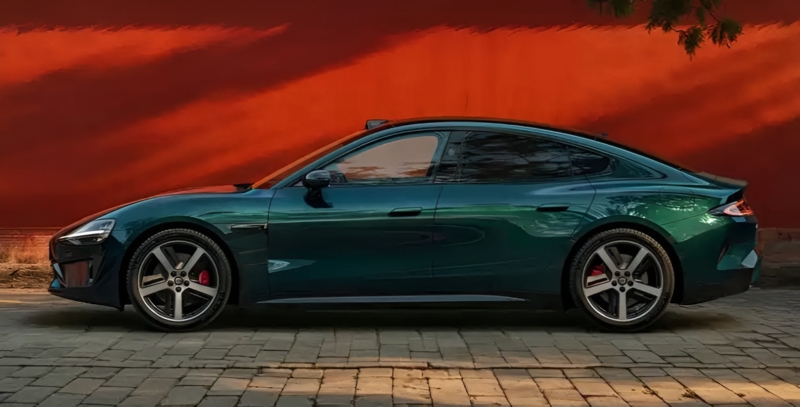
Xiaomi confirmed its updated SU7 electric sedan will launch in March with LiDAR standard across all trims. Mass deliveries are set to begin immediately following the official launch, according to Autohome. The company said production has already been accelerated, targeting 16,000 units in March output.
Market Context
The refreshed SU7 enters China’s crowded premium EV sedan tier, where Tesla, Nio, and Zeekr already compete on range and ADAS hardware. Xiaomi’s March launch highlights the race to differentiate on lidar, high‑voltage platforms, and intelligent cockpit features, underscoring how domestic brands are reshaping the 229,900–309,900 yuan (≈32,800–44,300 USD) segment.
Technical and exterior updates
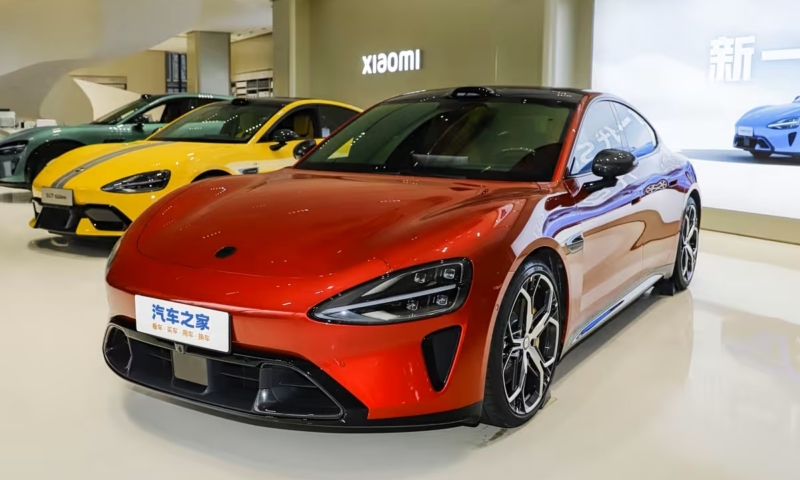
The sedan retains Xiaomi’s fastback silhouette but introduces a redesigned grille with integrated millimetre-wave radar. Signature “droplet” headlights remain, now rated for a 400‑meter high‑beam range. New Capri Blue and Chixia Red body colours join the palette. The vehicle rides on 20‑inch wheels with red callipers, and all versions adopt staggered tyres (front 245 mm, rear 265 mm) with four‑piston fixed callipers. Semi‑hidden door handles and black mirrors continue the family design language.
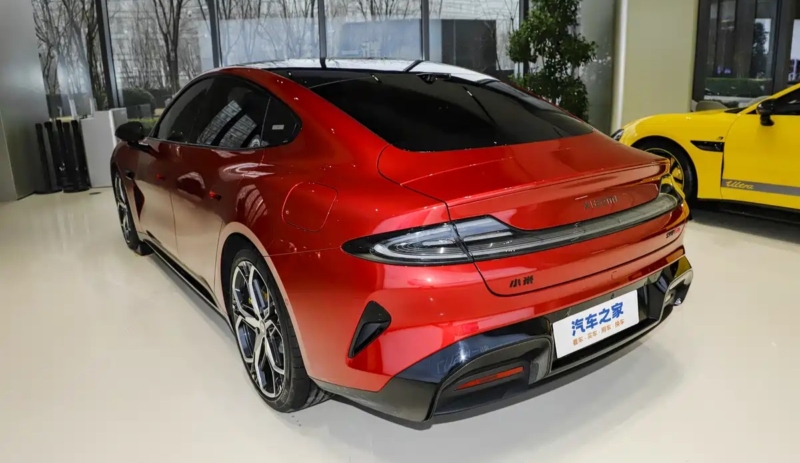
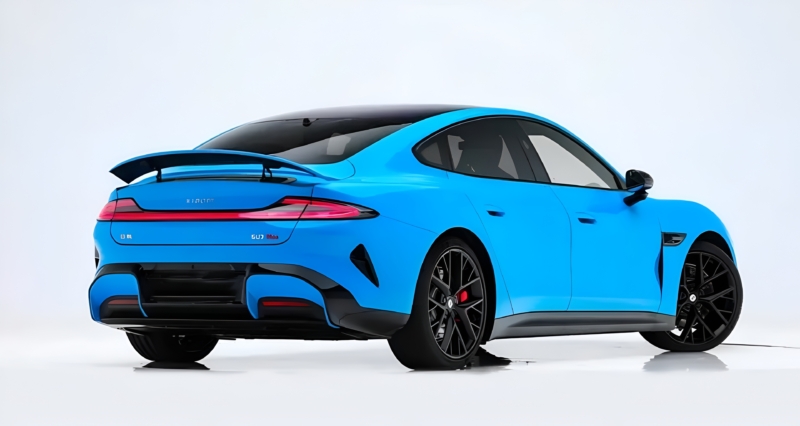
Rear styling features Xiaomi’s halo taillight and an active rear spoiler. Interior revisions include a new dark‑theme trim, redesigned secondary dashboard, and updated steering wheel. Stitching patterns on doors and seats have also been refreshed.
ADAS and safety hardware
All trims now carry lidar and 4D millimetre-wave radar, paired with a 700 TOPS computing platform. Xiaomi claims the system can maintain detection in low‑light, fog, and occluded conditions. Safety equipment expands to nine airbags, up from seven in the previous generation, with new rear side units. Structural upgrades include 2,200 MPa hot‑formed steel door beams and an integrated roll cage.
Xiaomi founder and CEO Lei Jun acknowledged that production costs for the new‑generation SU7 have risen significantly, and said retail prices will increase accordingly. He argued that the upgrades in safety, driving control, and intelligent features justify the adjustment, noting that owners are expected to perceive greater value in the model despite the higher cost.
Powertrain and performance
Three versions are planned: Standard, Pro, and Max. The Standard and Pro use a 752V architecture. Utilising an 897V architecture, the SU7 Max sits firmly within the top tier of China’s high-voltage EV platforms. All feature the V6s-Plus motors. CLTC range is listed at 720 km for Standard, 902 km for Pro, and 835 km for Max. The Max can recover up to 670 km in 15 minutes under high‑voltage charging. Pro and Max also feature dual‑chamber air suspension and CDC dampers.
Market positioning
Xiaomi founder and CEO Lei Jun acknowledged that production costs for the new‑generation SU7 have risen significantly, and said retail prices will increase accordingly. He argued that the upgrades in safety, driving control, and intelligent features justify the adjustment, noting that owners are expected to perceive greater value despite the higher cost. This positions the SU7 as a premium offering within Xiaomi’s portfolio, with pricing aligned to reflect the added technology and manufacturing complexity rather than simply competing on cost.
Industry context
The launch comes amid intensifying price-war competition and the rapid adoption of high‑voltage architectures in Chinese EVs. Xiaomi’s lidar standardisation highlights the escalation of hardware specifications as automakers seek differentiation in a crowded market. At the same time, volatility in memory chip supply has surpassed battery costs as a constraint, stalling China’s L3 autonomy rollout.
Adding pressure, AI‑tech inflation has triggered price adjustments across the EV market, with the Zeekr 007 GT the latest to announce changes. This underscores the volatility facing automakers as they balance advanced hardware with consumer affordability.
Updated: 13/03/2026 18:15 China time