Sunday China Drive | Volvo XC70 PHEV road‑tested in China, global model bound for 70+ markets
Volvo has introduced the XC70 plug-in hybrid in China as the first production model based on its SMA super hybrid architecture, entering a segment where joint-venture brands are attempting to re-establish competitiveness against domestic new energy vehicles.
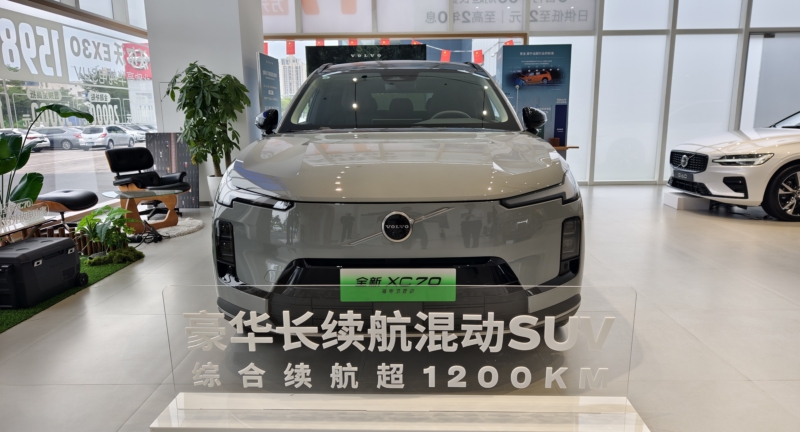
The tested vehicle is the Volvo XC70 PHEV all-wheel-drive Extended Range trim, placing it between the XC60 and XC90 in Volvo’s lineup. The XC70 matters because it introduces a large-capacity plug-in hybrid system with up to 39.6 kWh of battery capacity and over 1,200 km of combined CLTC range into a price band dominated by Chinese extended-range and hybrid SUVs.
Exterior
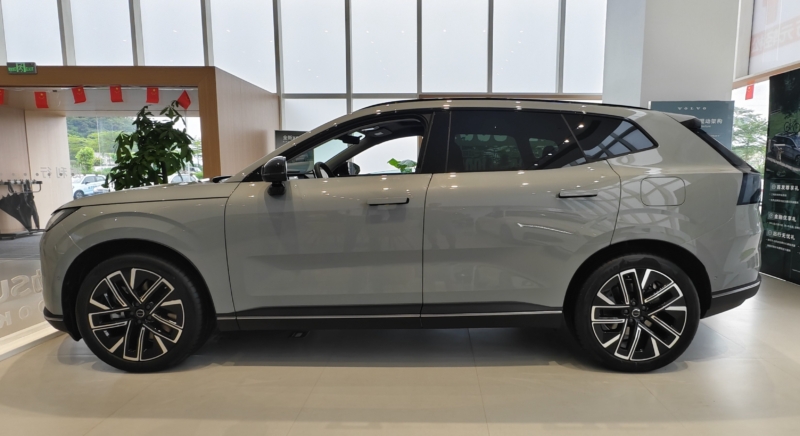
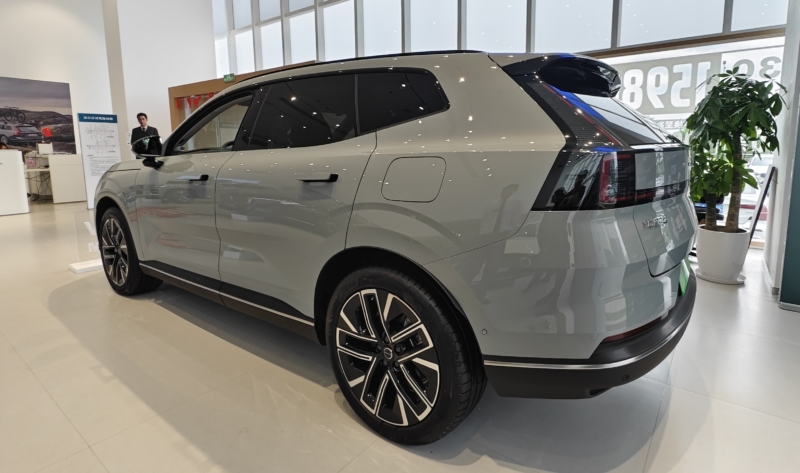
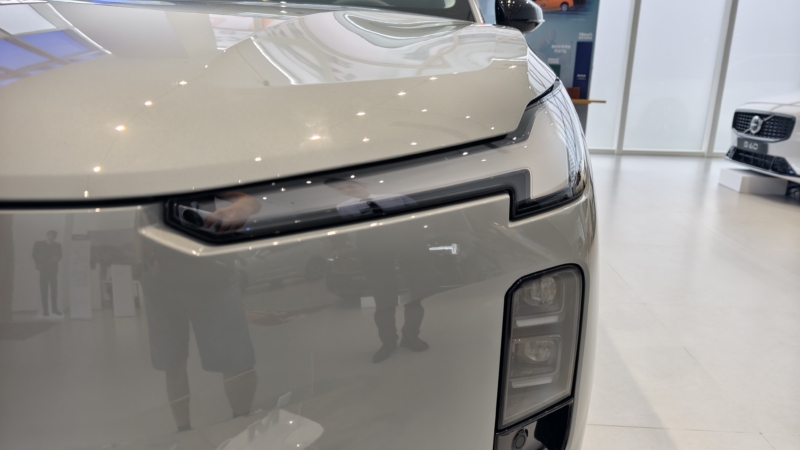
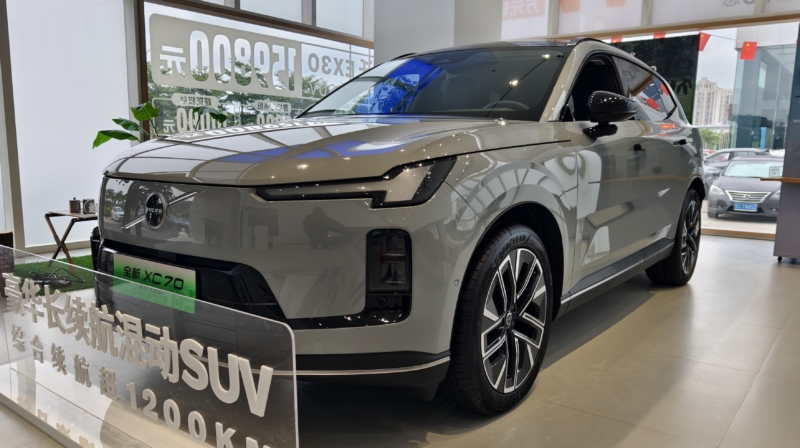
The XC70 measures 4,815 mm in length, 1,890 mm in width, and 1,650 mm in height, with a 2,895 mm wheelbase. These dimensions position it at the upper end of the mid-size SUV category in China. The front fascia adopts a closed grille design with active air intake elements to balance cooling and aerodynamic efficiency. The “Thor’s Hammer” headlights now integrate adaptive matrix LED technology, enabling dynamic beam adjustment based on traffic conditions.
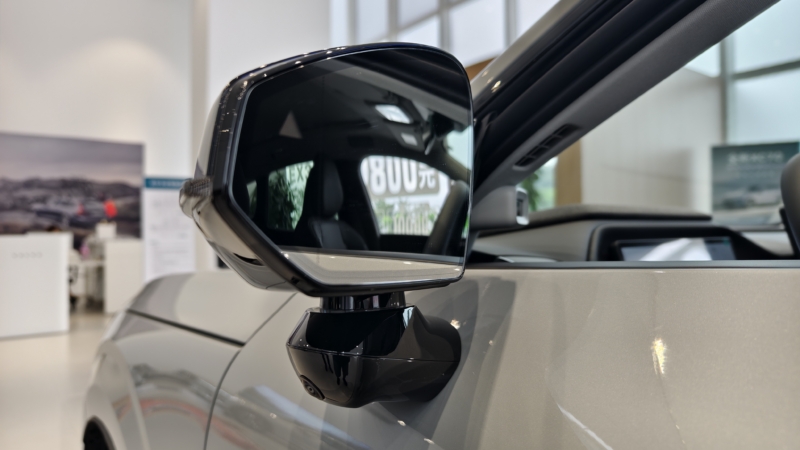
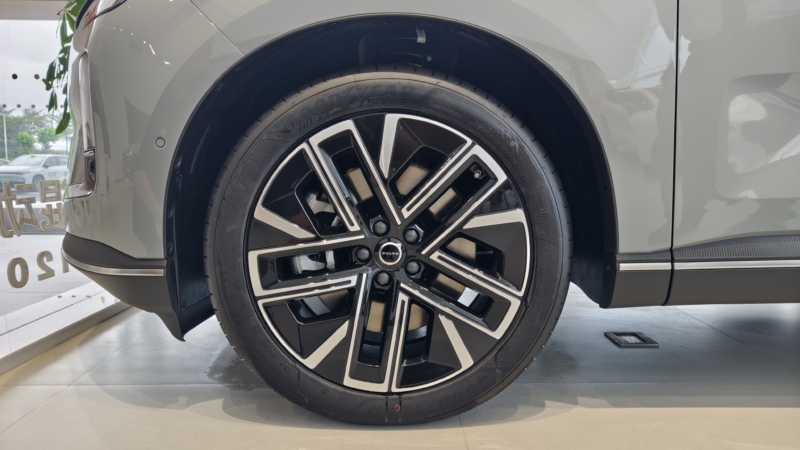
Sensor integration remains visually restrained. No roof-mounted lidar is present, suggesting reliance on camera sensors and radar systems. This aligns with a cost-controlled hardware strategy rather than maximum sensor redundancy. Wheel options range from 19 to 21 inches, with design variations primarily affecting airflow management and rolling resistance rather than visual differentiation.
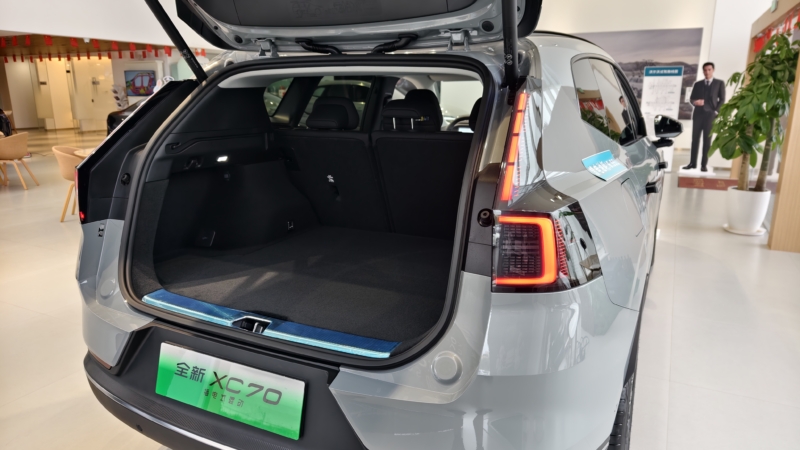
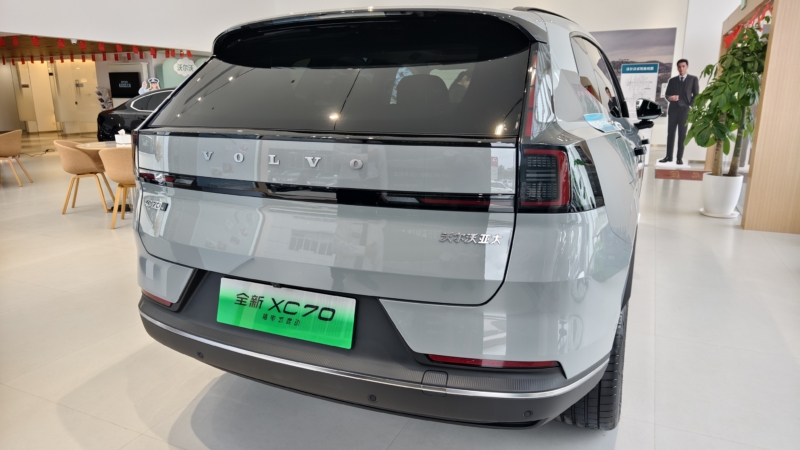
At the rear, the vertical taillights adopt a “Viking axe” shape, maintaining Volvo’s global design consistency rather than introducing China-specific styling divergence.
Interior
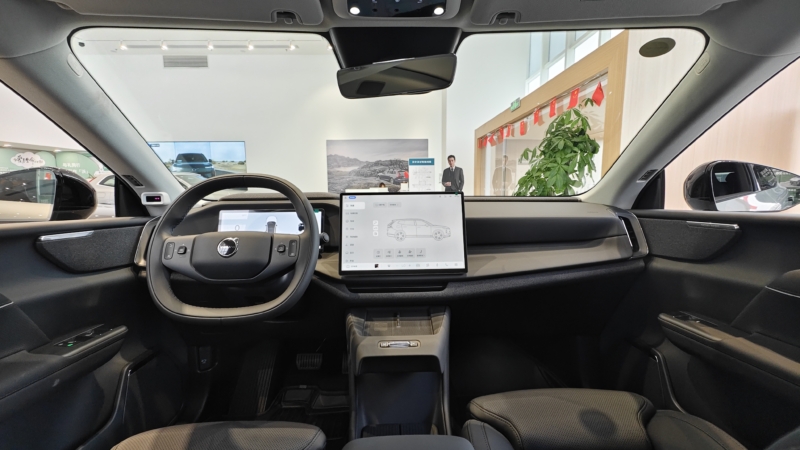
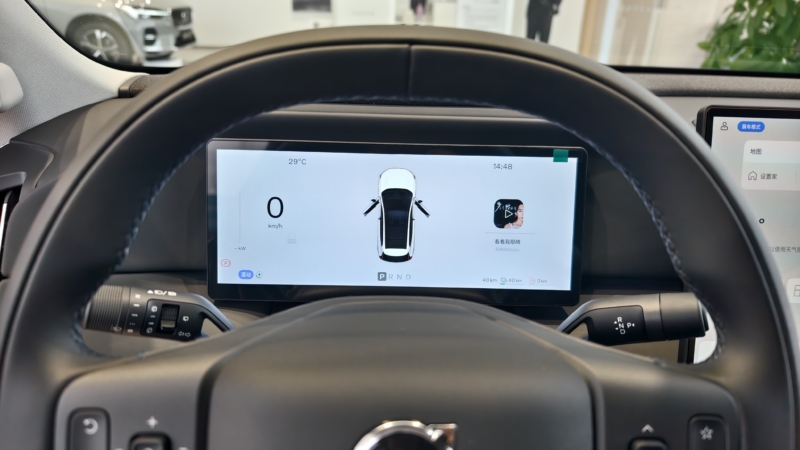
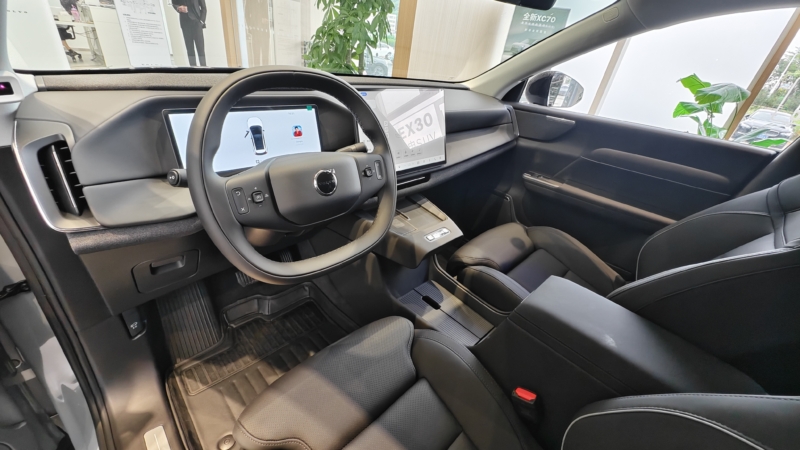
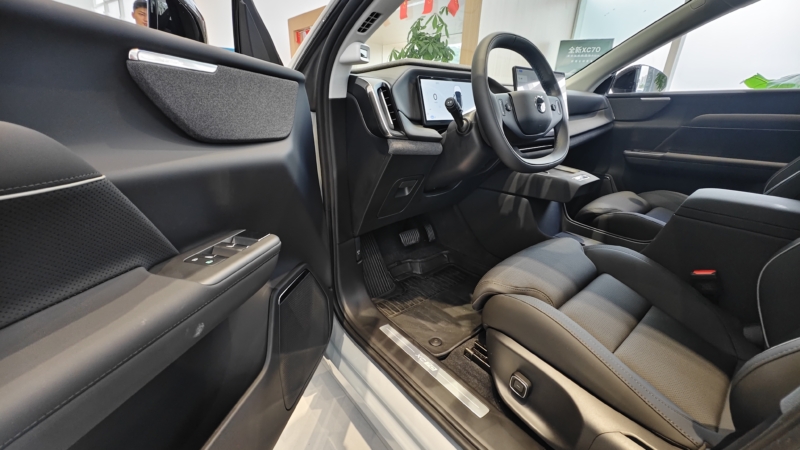
The XC70 adopts a floating cabin layout centred around a 15.4-inch central touchscreen and a 12.3-inch digital instrument cluster. A 92-inch augmented reality head-up display projects navigation and driving data onto the windshield. The infotainment system supports four-zone voice recognition and AI-assisted route planning. Wireless Apple CarPlay is included, while audio is handled by a 23-speaker Harman Kardon system.
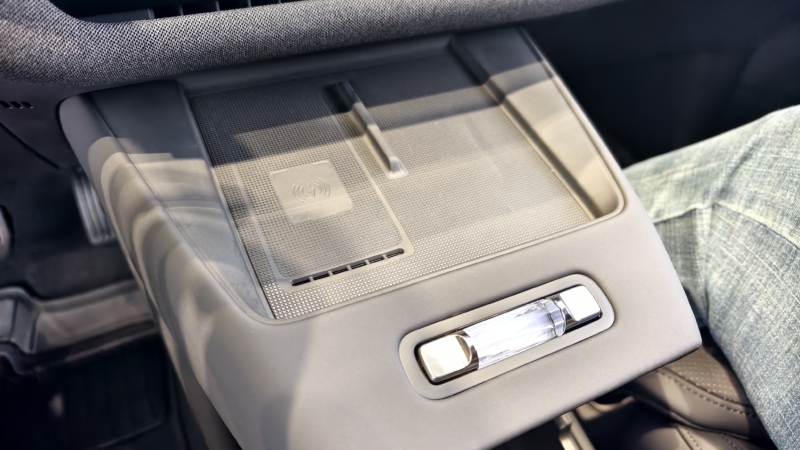
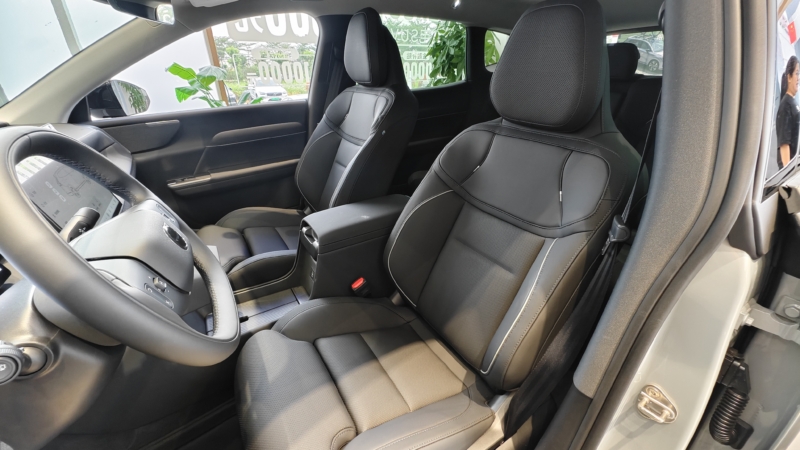
The retractable centre console remains a defining functional element. It transitions between an open storage layout and a closed configuration with cupholders, prioritising spatial flexibility. The material is consistent, with tight panel gaps and uniform surface finish. However, the use of fabric-based trim in frequently contacted areas may lead to longer-term wear than synthetic alternatives used by competitors.
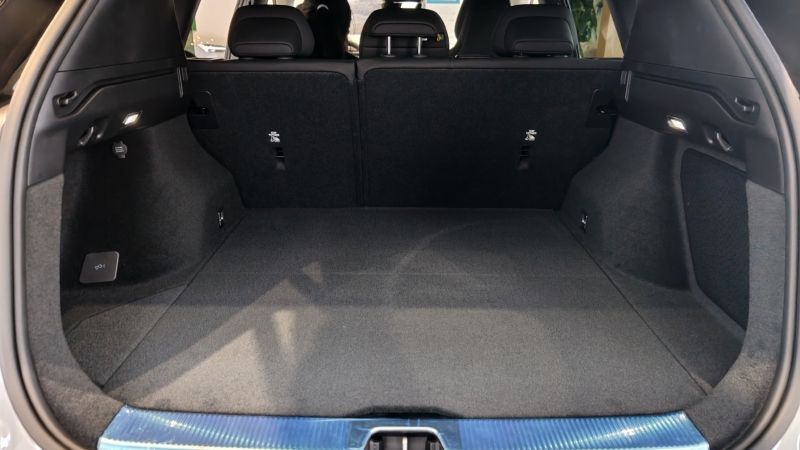
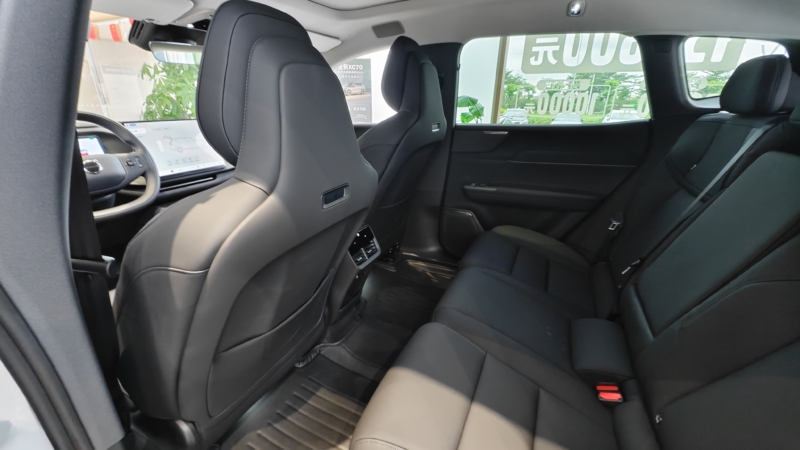
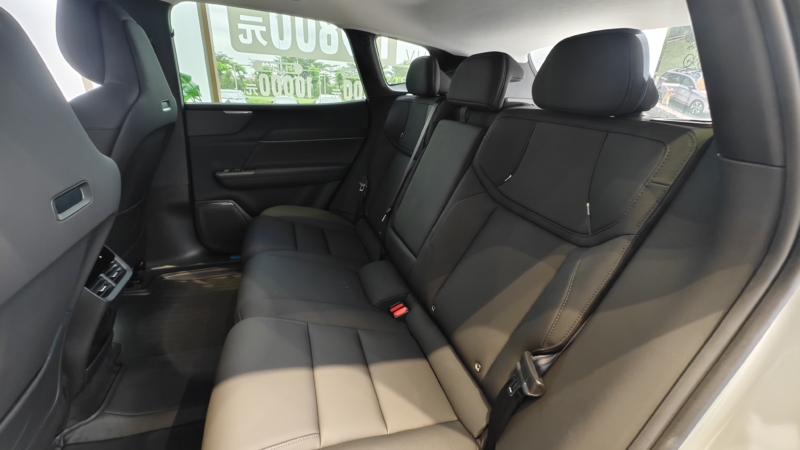
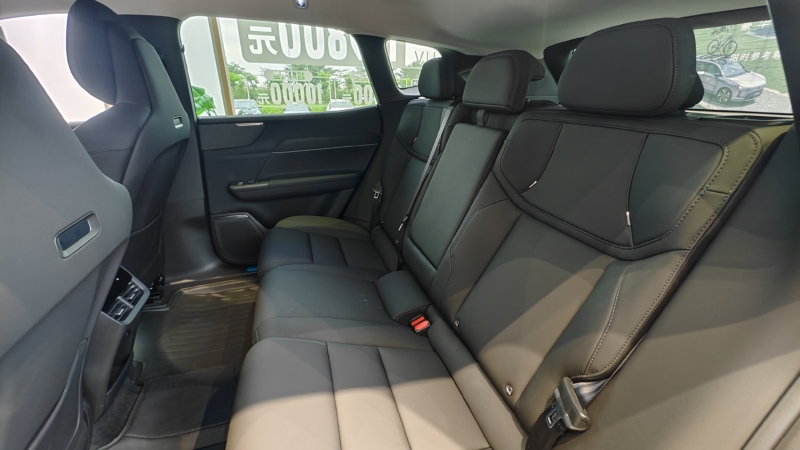
Rear space benefits from both the 2,895 mm wheelbase and packaging efficiency. The forward firewall design allows extended front seat travel, indirectly improving rear legroom without increasing external dimensions. The cargo compartment is approximately 1.4 meters wide at its widest point, enabling transverse loading of large items. A physical luggage cover is retained to reflect global usage requirements.
Driving Experience
The XC70 uses a 1.5T hybrid-dedicated engine combined with a P1 + P2 + P4 motor layout. System output ranges from 234 kW to 340 kW depending on configuration, with the tested version delivering performance consistent with a 0–100 km/h time of approximately 5.3 seconds. The battery options include a 21.2 kWh pack with 116 km CLTC range and a 39.6 kWh pack delivering up to 212 km CLTC range. Charging from 0% to 80% requires approximately 23 minutes under fast-charging conditions.
In motion, the powertrain prioritises seamless torque delivery. Under electric driving conditions, response is immediate, while hybrid mode transitions occur without noticeable interruption. The suspension tuning reflects a European calibration philosophy. Road surface inputs are transmitted with moderate filtering, maintaining directional feedback while controlling vertical body movement. Cornering stability remains consistent, with limited body roll relative to vehicle mass.
Steering calibration is linear, with a predictable response across speed ranges. The vehicle’s approximate 2.2-ton weight is managed effectively through damping control and torque distribution from the rear motor.
Two technical observations emerge during testing:
The regenerative braking system exhibits a nonlinear transition to mechanical braking at low speeds, requiring additional pedal modulation for smooth stops. Wind noise becomes detectable around the A-pillar at highway speeds above 100 km/h, indicating incomplete isolation of airflow turbulence.
The hybrid architecture supports multiple operating modes, including pure electric, series hybrid, and engine direct drive. This allows operation across varying charging conditions without requiring driver intervention. The system also supports an external power output of up to 6 kW, enabling the vehicle to serve as a mobile energy source.
Verdict
At 269,900 to 349,900 yuan (37,100 to 48,200 USD), the XC70 directly competes with models such as Li Auto L7, Aito M7, and BYD Tang DM-i. Compared to these competitors, the XC70 offers a larger battery than most plug-in hybrids and a globally standardised safety engineering approach. However, it does not match leading Chinese competitors in the integration of autonomous driving hardware and software ecosystems.
A relevant development is the recall of nearly 15,000 XC70 units in China due to a half-shaft defect found in early-production vehicles. This indicates that while the platform introduces new hardware, manufacturing consistency remains an area requiring monitoring. The XC70 is also planned for export to more than 70 global markets following its China launch, with confirmation that it will be offered in Europe. This positions the model not only as a China-focused product but as a global test case for Volvo’s SMA hybrid architecture.
At 269,900 yuan (37,100 USD), it remains one of the few joint-venture SUVs to offer a 39.6 kWh battery, over 200 km electric range, and a three-motor hybrid system within this price bracket.