Li Auto accuses Nissan of smear campaign, NX8 comparisons flood internet, regulators eye case
A public dispute between Li Auto and Nissan has reportedly drawn regulatory attention in China, with media reports citing financial outlet Caijing stating that the Ministry of Industry and Information Technology (MIIT) noticed the controversy on April 11 and held discussions with representatives from both companies.
The case stems from allegations of coordinated online marketing activity following the launch of the Nissan NX8, intensifying scrutiny of competition practices in China’s mid-range SUV segment.
Marketing clash
On April 11, Li Auto’s legal department said its products had been targeted by “organised smear campaigns” after the launch of a competing model. The company stated that large volumes of similar online posts appeared within a short timeframe, with concentrated IP locations, and that evidence had been collected for potential legal action.
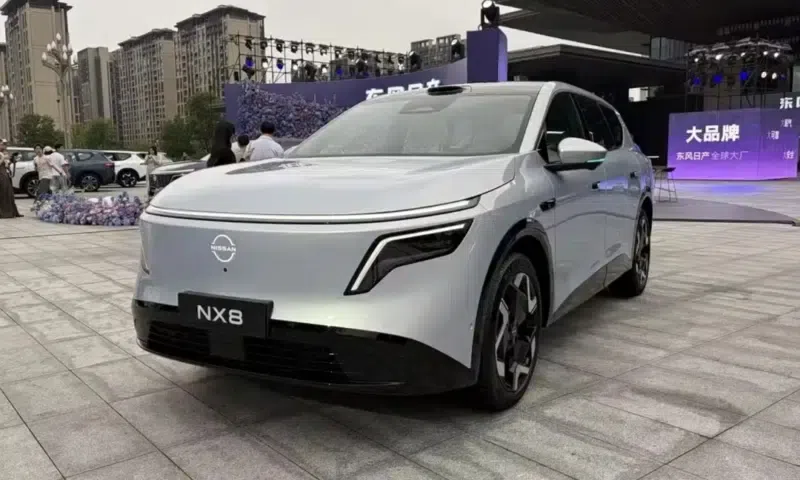
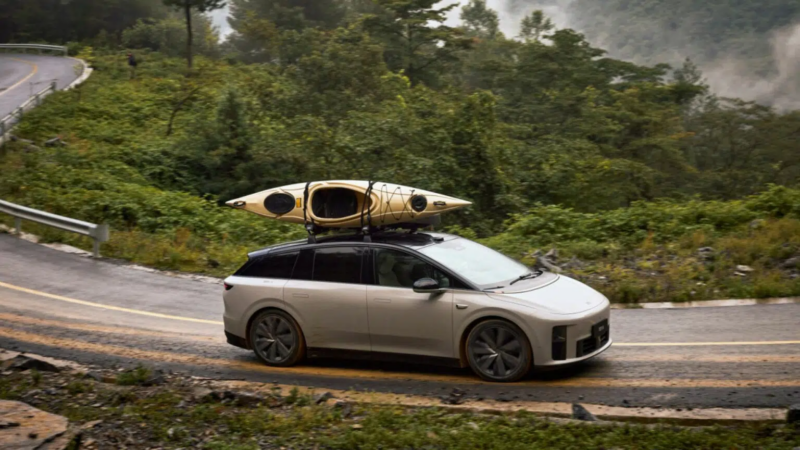
The dispute follows the launch of the Nissan NX8, where the model was compared with Li Auto vehicles, including the i6, during promotional activities. Subsequent online content widely contrasted the models, often portraying the NX8 more favourably.
Nissan responded through its NEV division head Wang Qian, stating the company “adheres to industry rules and advocates fair competition,” without directly addressing the allegations.
Executive remarks draw attention
Li Auto CEO Li Xiang also commented publicly, criticising what he described as “malicious comparisons” by a Japanese-brand competitor. While the initial statement was later removed, follow-up comments reiterated concerns about coordinated negative campaigns.
Separately, Nissan sales executive Xin Yu had earlier referenced Li Auto during the NX8 launch, noting past technological parallels and stating the company would “not engage in negative comparisons.”
Diverging performance trends
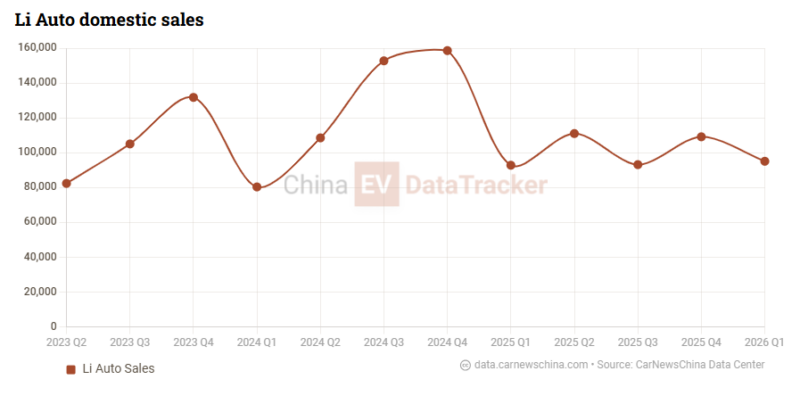
Li Auto reported 406,300 deliveries in 2025, down 18.81% year on year, alongside declining revenue and profit. The downturn was linked to intensified competition in extended-range vehicles and to internal challenges during its transition to battery-electric models.
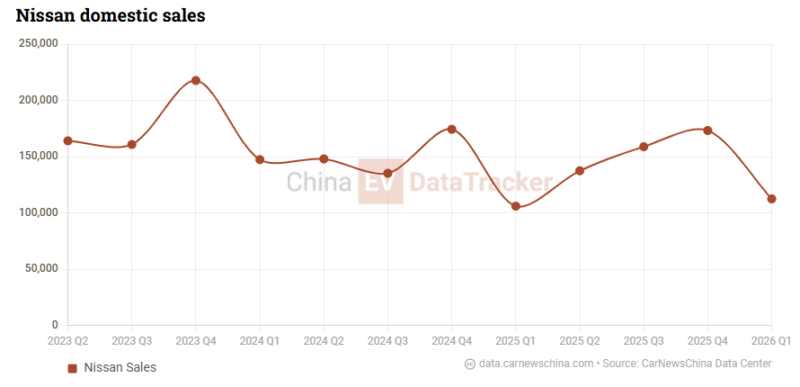
Nissan recorded 601,000 vehicle sales in 2025, maintaining a larger overall scale. However, more than half of its volume came from the Sylphy sedan, while its new energy vehicle lineup remained relatively limited.
2026 reversal
In early 2026, sales trends began to shift. Li Auto delivered 95,100 vehicles in the first quarter, with March deliveries reaching 41,100 units, up 173% year-on-year. The i6 battery electric SUV accounted for over 24,000 units in March, becoming a primary driver of growth.
In contrast, Nissan’s sales declined by more than 30% year-on-year in the first two months of 2026, despite the company reporting overall growth for its China operations.
Segment competition intensifies
The dispute highlights increasing pressure in China’s SUV market, particularly in the 150,000–300,000 yuan (approximately 22,200–41,700 USD) range, where both domestic and joint-venture brands are increasingly targeting similar buyers.
Li Auto’s i6 and L6 models have stabilised at monthly sales levels of around 20,000 units, while the Dongfeng Nissan NX8 enters the market at 159,900 yuan (approximately 22,200 USD), positioning it at the lower end of this broader competitive bracket.
This overlap reflects intensifying competition as traditional joint-venture brands and domestic new energy vehicle makers converge on the same mid-range family SUV segment.
Regulatory attention added
The dispute has now moved beyond corporate communications into regulatory attention. According to media reports citing financial outlet Caijing, the Ministry of Industry and Information Technology (MIIT) noticed the online controversy on April 11 and reportedly held discussions with representatives from both Li Auto and Dongfeng Nissan.
While no official conclusions have been announced, the reports indicate the case is being viewed within broader efforts to monitor online content practices and competition-related communications in the automotive sector.
Updated: 15/04/2026 15:55 China time