Geely Galaxy Starshine 7 opens presales at 15,600 USD with 5.4 s AWD performance in China
Geely has opened presales for its Galaxy Starshine 7 plug-in hybrid sedan on April 16, with four variants priced between 112,800 and 142,800 yuan (15,600–19,700 USD). The model targets the mid-size electrified sedan segment with a combination of dual-motor all-wheel drive, high system output, and extended electric range.
Here’s a clean pricing table for the Geely Galaxy Starshine 7 based on presale data:
| Variant | Drivetrain | CLTC Electric Range | Presale Price (yuan) | Presale Price (USD) |
|---|---|---|---|---|
| 230 km Voyage Edition | FWD | 230 km | 112,800 | 15,600 |
| 230 km Pilot Edition | FWD | 230 km | 121,800 | 16,800 |
| 230 km Explorer+ Edition | FWD | 230 km | 128,800 | 17,800 |
| 220 km AWD Starshine Edition | e-AWD | 220 km | 142,800 | 19,700 |
Pricing and positioning
The lineup includes three front-wheel-drive versions and one e-AWD variant. All pricing is within the highly competitive 100,000–150,000 yuan (14,500–21,800 USD) range, where plug-in hybrids dominate China’s family sedan market.
Size and design
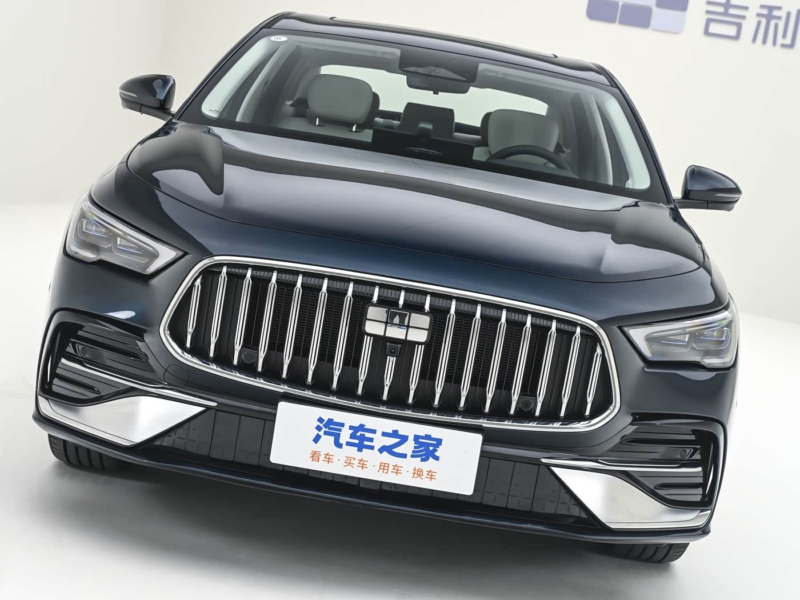
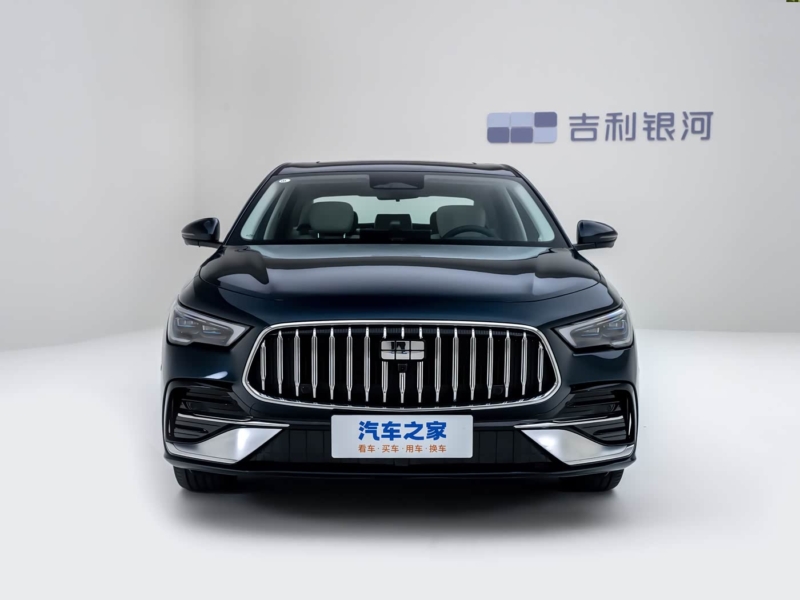
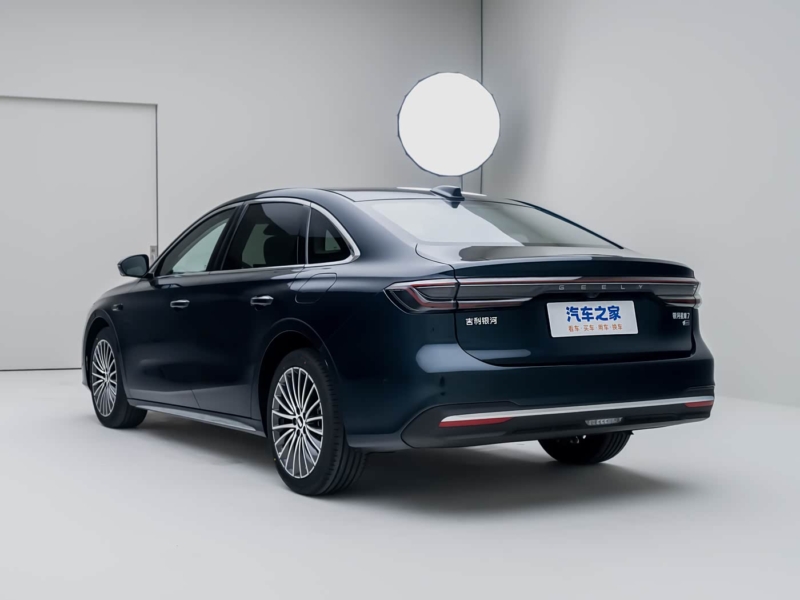
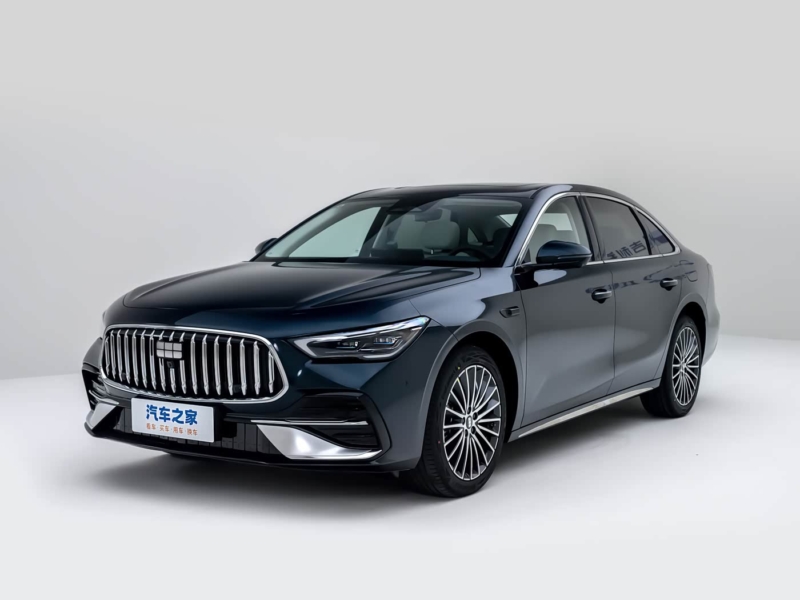
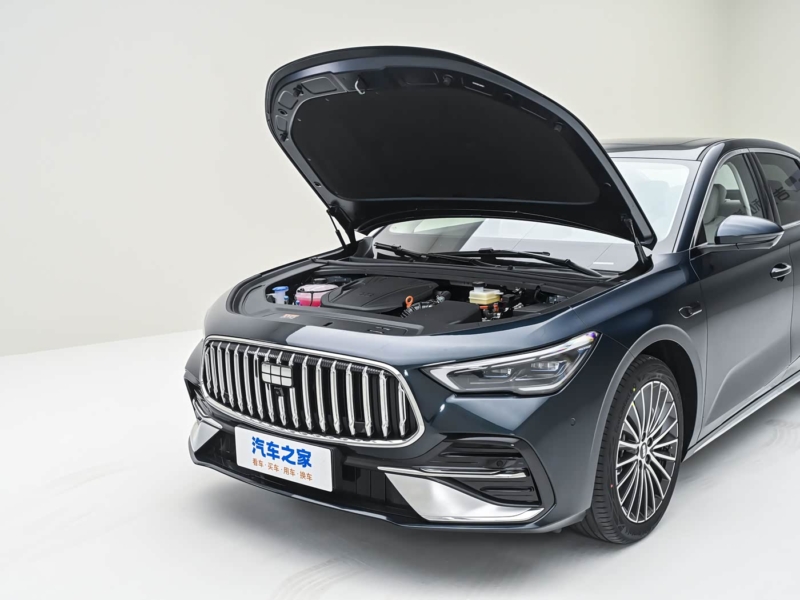
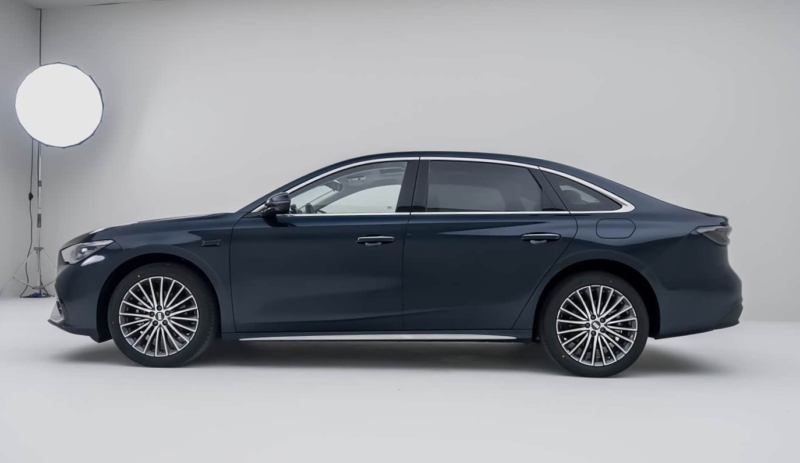
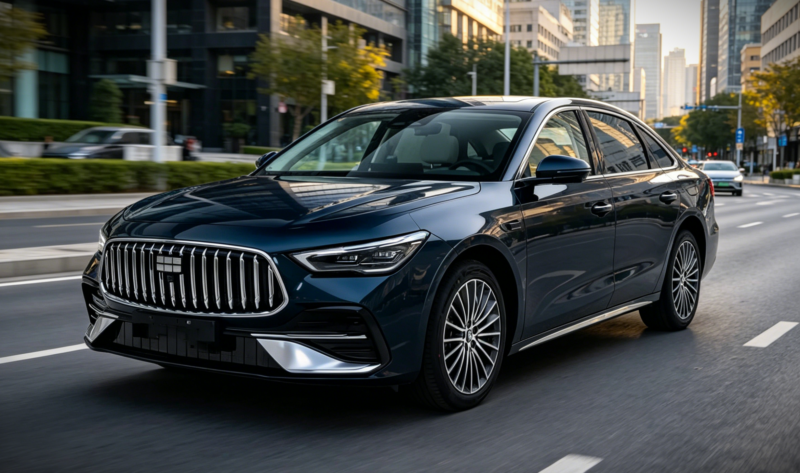
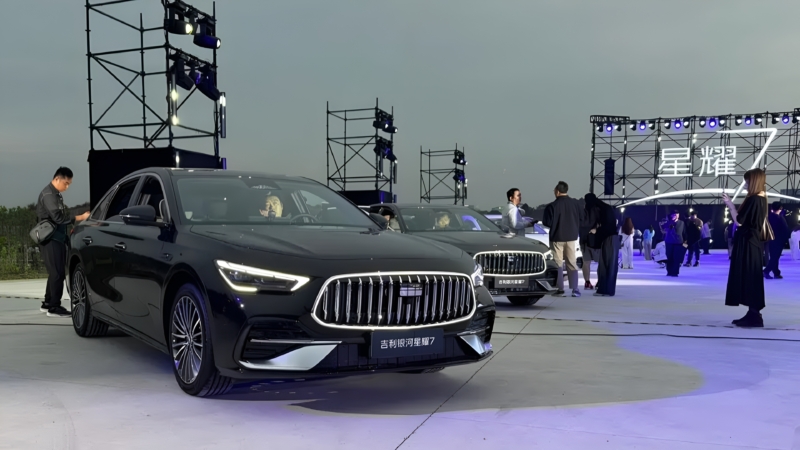
The Starshine 7 measures 4958/1915/1505 mm and has a wheelbase of 2,852 mm, making it longer and wider than the Starshine 6. Exterior design follows Geely Galaxy’s family styling with a vertical “Galaxy waterfall” grille, illuminated front fascia, and a full-width rear light bar.
Interior and smart cockpit
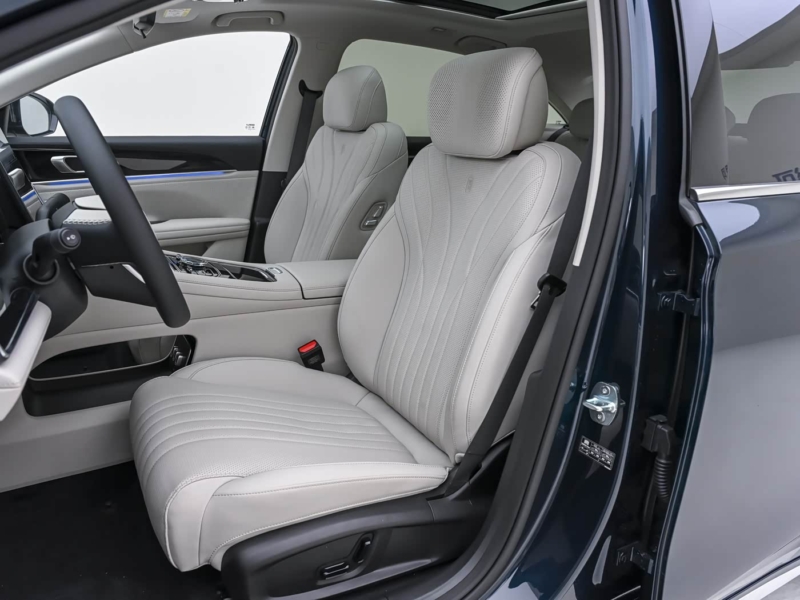
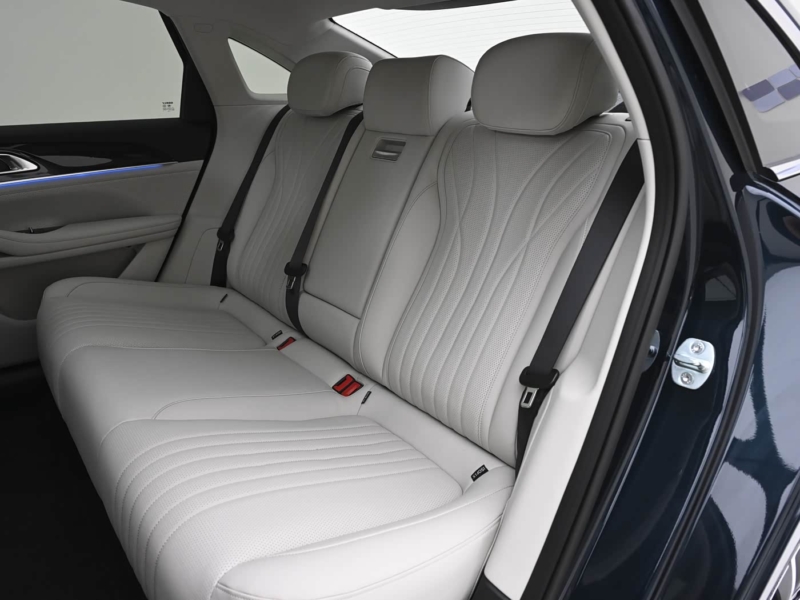
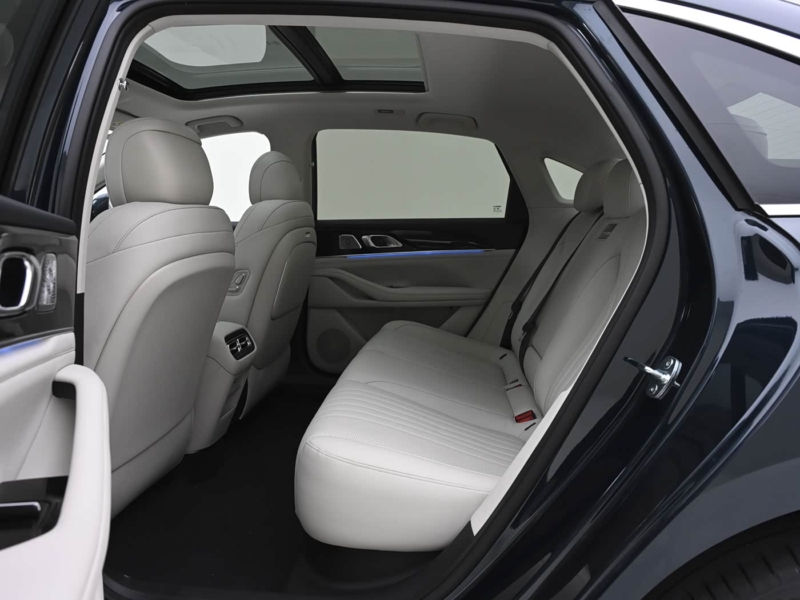
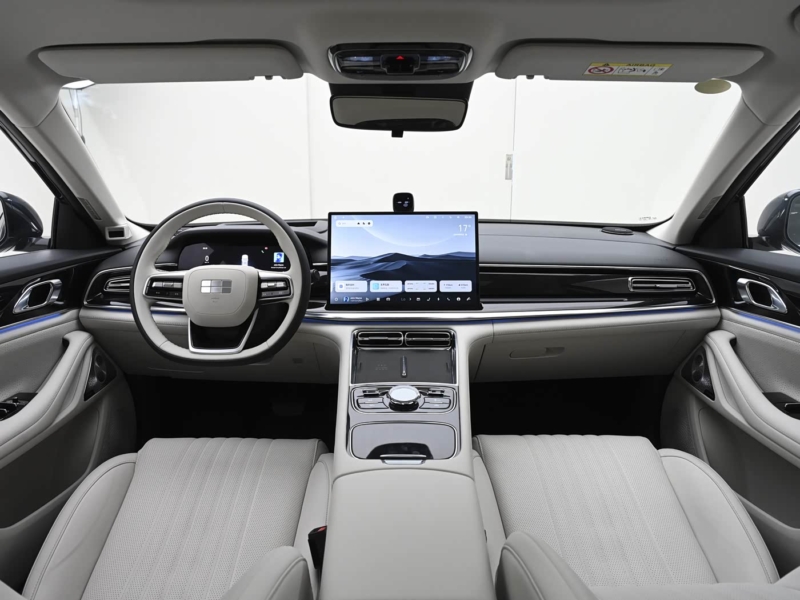
Inside, the model features a wraparound cockpit with a 10.25-inch instrument cluster and a 15.6-inch central display running the Flyme Auto 2 system. The cabin includes a 16-speaker audio system, ambient lighting, and multi-zone voice control. Higher trims add seat ventilation, heating, and memory functions.
Driver assistance
The Starshine 7 adopts Geely’s H3 assisted-driving system, supported by 26 sensors, including cameras, millimetre-wave radars, and ultrasonic units. The system enables highway navigation assist (NOA) and automated parking functions.
Powertrain and performance
The car uses Geely’s Leishen AI hybrid 2.0 system, combining a high-efficiency internal combustion engine with electric motors. The all-wheel-drive version integrates a dual-motor layout and delivers a combined output of 312 kW and 526 Nm. Official 0–100 km/h acceleration is 5.4 seconds.
The battery capacity is around 28.3–28.5 kWh, with a declared pure-electric range of up to 170 km. The platform also supports adaptive damping and a five-link independent rear suspension.
Development and production
The Starshine 7 was previously reported to have entered mass production in early April 2026 after testing at the Silverstone F1 circuit, indicating final validation before market launch. Earlier disclosures in October 2025 revealed the model as a nearly 4.9-meter PHEV sedan built on Geely’s NordThor hybrid system, confirming its positioning as a core product in the Galaxy lineup.
Market context
In China’s 100,000–150,000 yuan (14,500–21,800 USD) electrified sedan segment, key competitors include BYD Qin L and Seal 06. Compared with these models, the Starshine 7 offers a larger body size and adds features such as electric AWD and adaptive suspension, which remain uncommon at this price point.
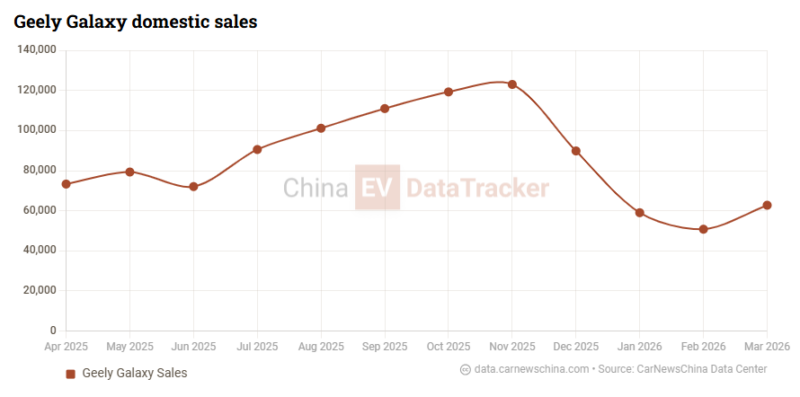
Geely Galaxy sales context
Geely Galaxy has been expanding rapidly in China, according to China EV DataTracker. Monthly sales in early 2026 fluctuated roughly between 70,000 and 120,000 units, peaking in late 2025 before declining into early 2026. By March 2026, sales recovered to around 60,000 units, following a low point near 50,000 units in February.
Year-on-year growth remained positive across most months in 2025, though early 2026 showed a short-term correction after rapid expansion. The Starshine 7 enters the market during this stabilisation phase, as Geely seeks to maintain momentum in the hybrid segment.