“Smart #2 is a real car, rivals are not,” CEO stakes claim as micro‑EV icon debuts with 400 km range
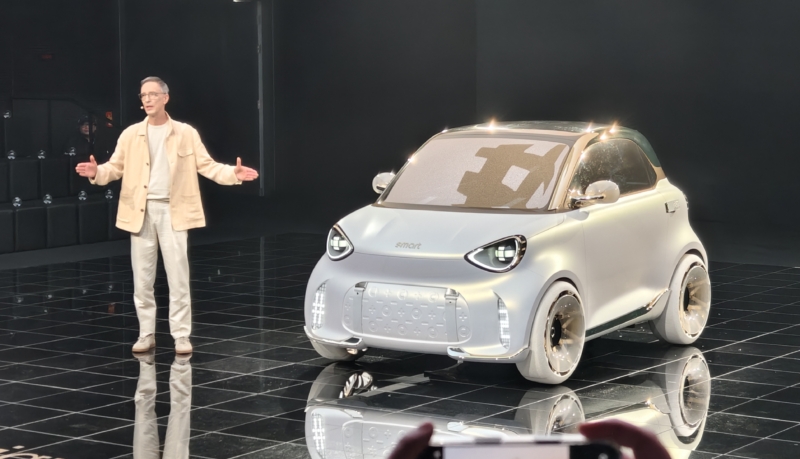
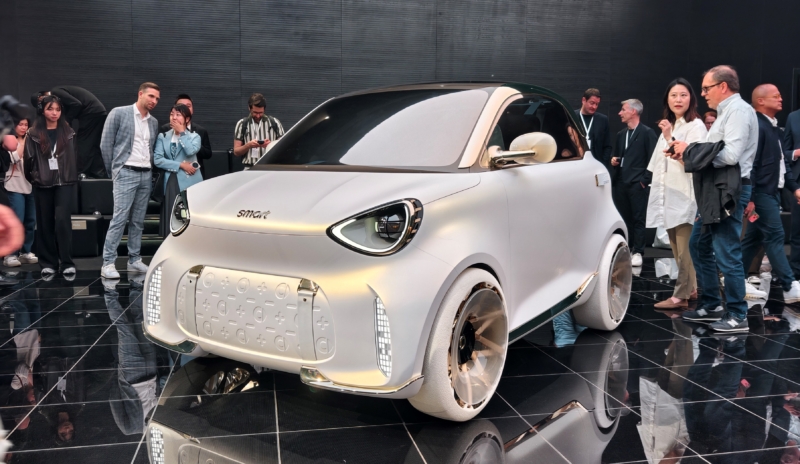
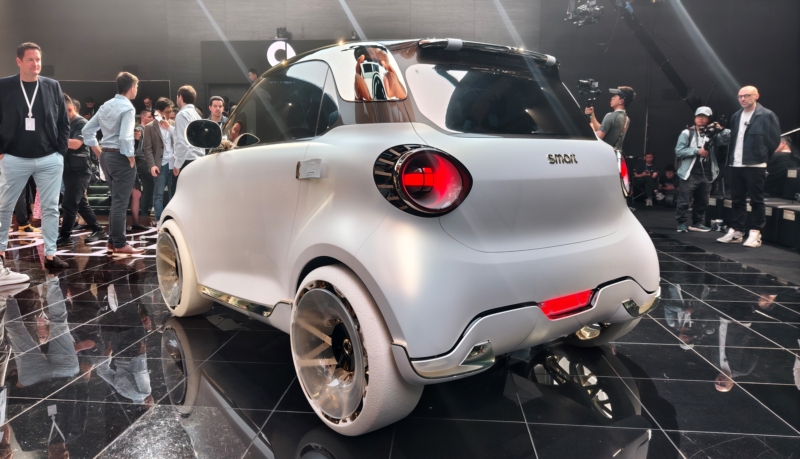
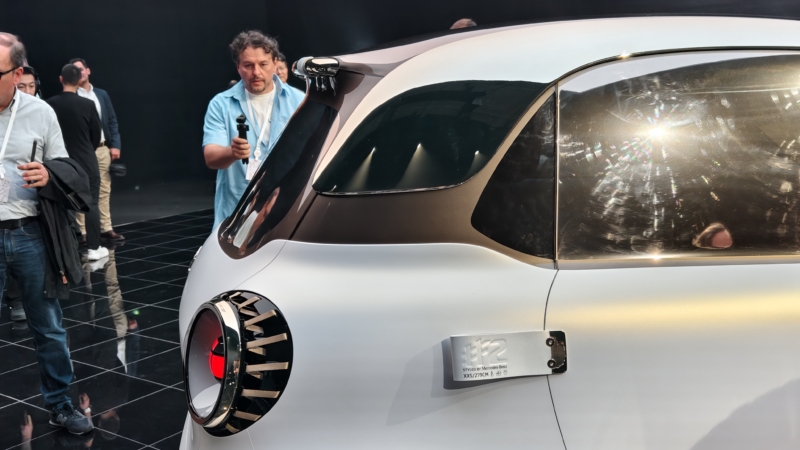
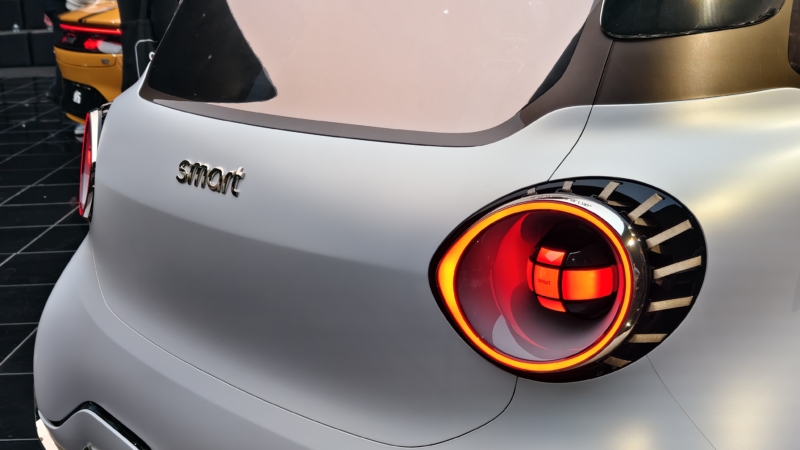
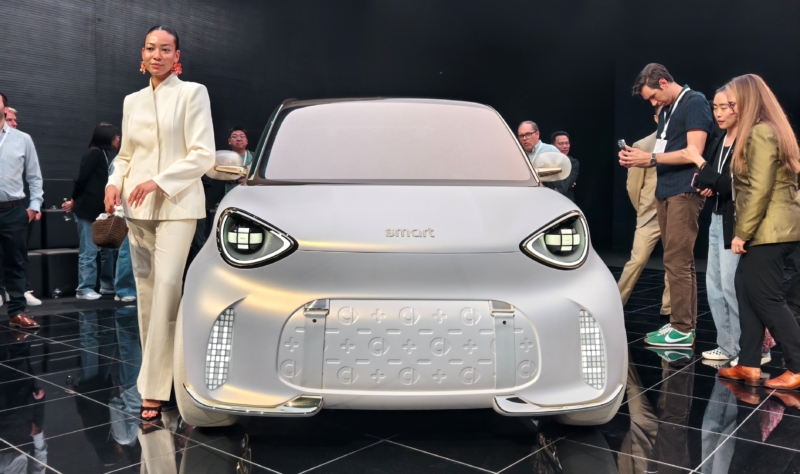
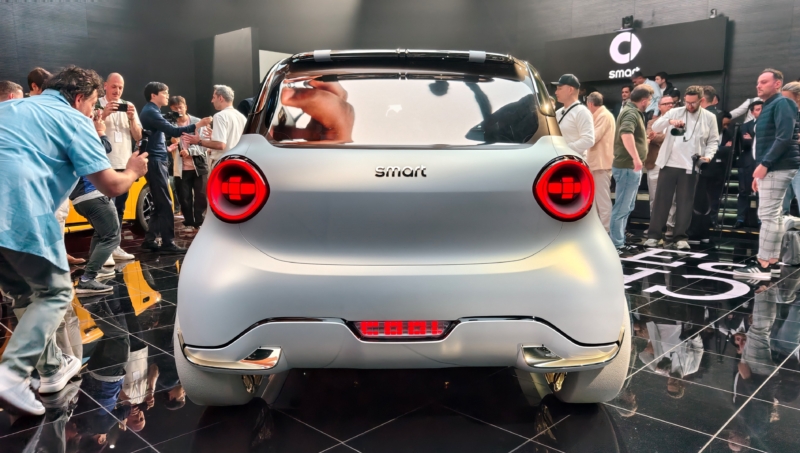
Following the world premiere of the Smart #2 concept in Beijing, an exclusive roundtable attended by a select group of media (including CarNewsChina) revealed the intensive engineering behind the brand’s return to its two-seater roots.
During the discussion, Smart CEO Xiangbei Tong was remarkably blunt about the competition, revealing that after personally benchmarking almost every rival micro-EV currently on the market, he concluded they lacked the structural and dynamic integrity of a proper automobile.
“I have driven almost all the micro-cars currently on the market,” Tong asserted, “and I can tell you: the Smart #2 is a real car; the others are not.”
Tong and Head of Design Kai Sieber detailed a strategy to reclaim the micro-car segment with the #2, framing it as a “real car” designed to outperform the wave of budget “mini EVs” currently dominating the Chinese market.
Reclaiming the Micro-Icon
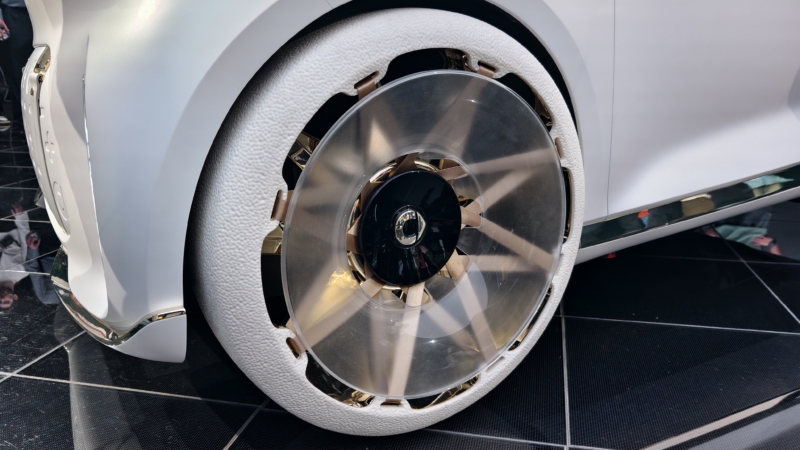
The Smart #2 is built from the ground up on the Electric Compact Architecture (ECA), allowing a target range of 400 km CLTC, a massive leap from the 150 km range of its predecessor, Smart ForTwo. Tong emphasised that the vehicle’s acceleration, specifically within the 0–50 meter range, is “unbeatable” in urban environments, a claim he personally verified during winter testing in Northeast China.

Sieber noted that while the footprint remains ultra-compact to facilitate a sub-7-meter turning radius, the interior does not compromise on a premium feel. The #2 will adopt a “material mix” similar to the larger Smart #1, positioning it as a luxury city accessory rather than a utility vehicle.
The production version, which will include a finalised interior, is set to debut at the Paris Motor Show in October 2026.
Global Engineering, Local Feel
The roundtable highlighted Smart’s challenge in balancing its German-Chinese identity. While the design is global, the suspension tuning remains market-specific. Tong explained that the “tolerance band” for the suspension is adjusted by suppliers: softer for China’s bumpy urban roads and stiffer for Europe’s “Alpine” driving conditions.
This allows Smart to maintain a single global hardware set while satisfying diverse regional driving preferences. A significant technical hurdle mentioned by the executives was the transition to modern safety regulations, particularly pedestrian safety, which necessitated a total rethink of the front-end geometry.
Despite these constraints, the #2 remains a “wheels-at-the-corners” design, maximising the wheelbase relative to its overall length.
Brief Note on the Smart #6
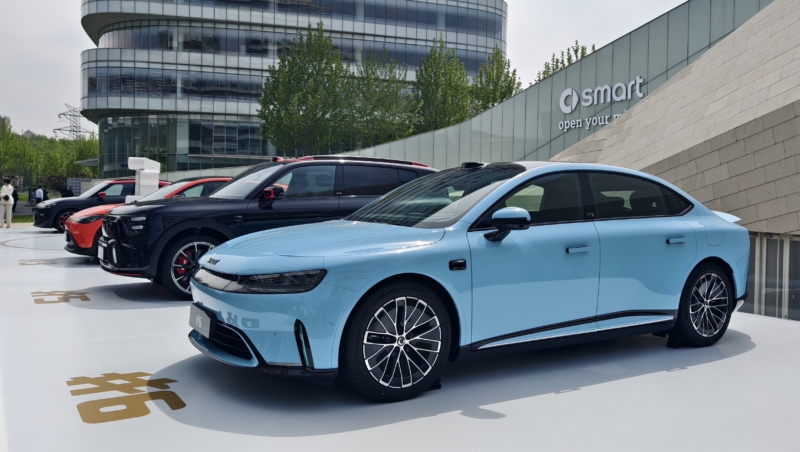
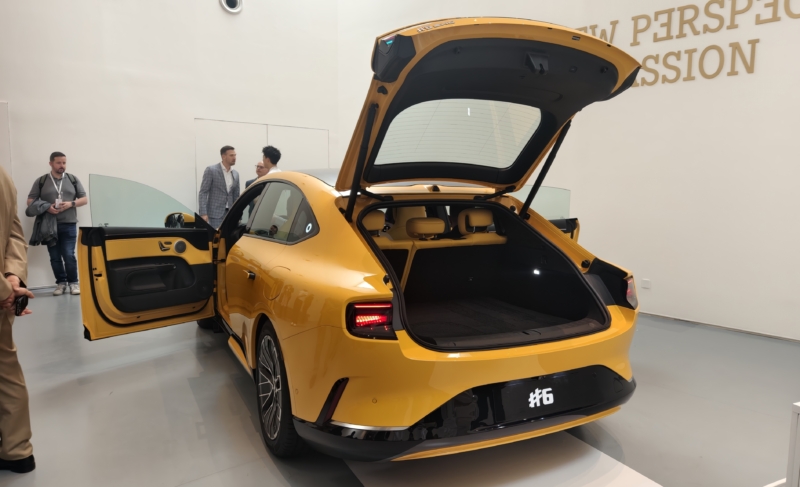
While the focus remains on the micro-car revival, the event also saw the global debut of the Smart #6 EHD. This 4.9-meter fastback sedan features a 2,926 mm wheelbase and a 1.5T plug-in hybrid system, catering to Chinese demand for long-range executive vehicles. However, the executives made it clear that the #2 remains the “spiritual icon” of the brand’s portfolio.
Data Context: Sales Pressure
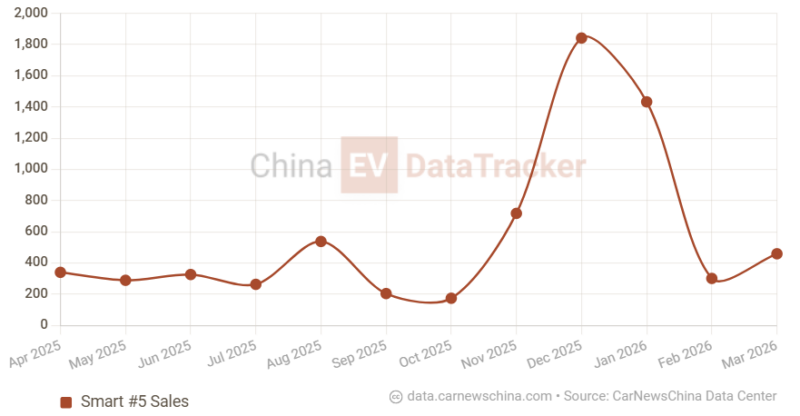
The push for the #2 and #6 comes as Smart navigates a volatile sales landscape. According to China EV DataTracker, in March 2026, the Smart #5 recorded 459 units sold in China, a 52.5% MoM increase but a 33.4% YoY decline. The model currently holds a 26.7% share of the brand’s total volume.