Vacuum maker Dreame unveils supercar with 0.9s 0-100 km/h sprint, 4,320-line LiDAR and 450 Wh/kg solid-state battery
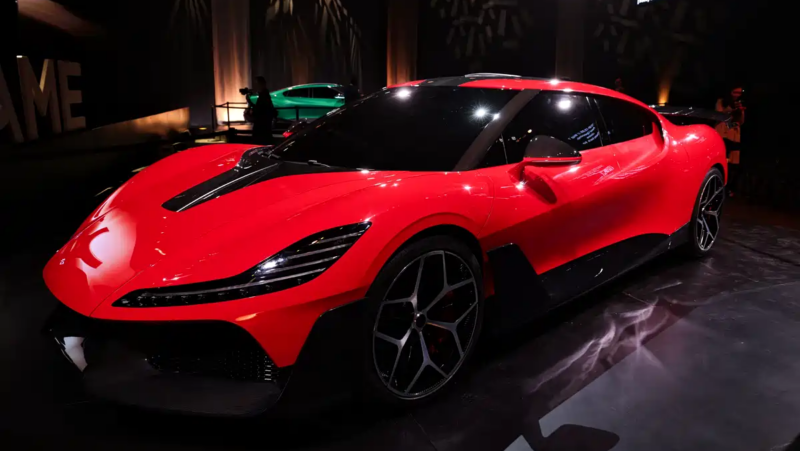
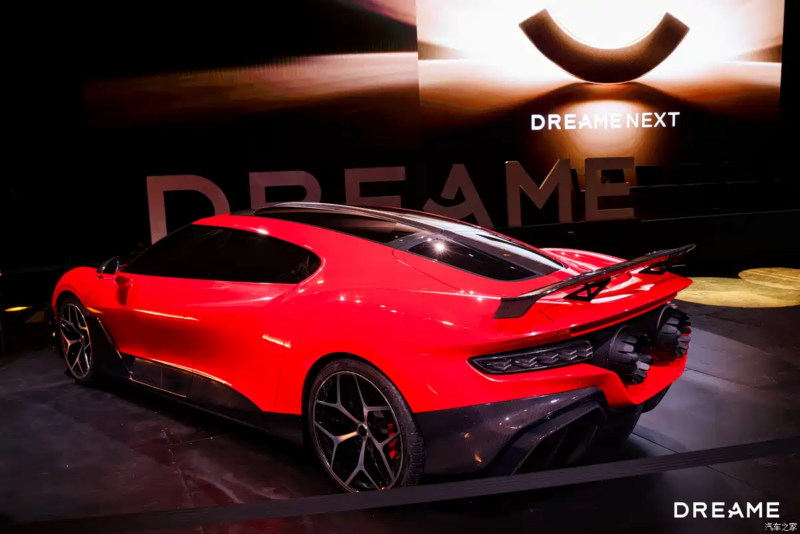
Dreame Technology officially announced its entry into the smart automotive sector at a global launch event themed “Dreame Next” in Silicon Valley, unveiling its debut vehicle, the Nebula Next 01 Jet Edition, featuring a dual solid rocket booster system that enables a claimed 0-100 km/h acceleration in just 0.9 seconds.
The Chinese company was founded in 2017 and is previously known for smart home appliances and personal care devices. Last August, it announced plans to build a car capable of challenging the Bugatti Chiron’s speed.
Propulsion system
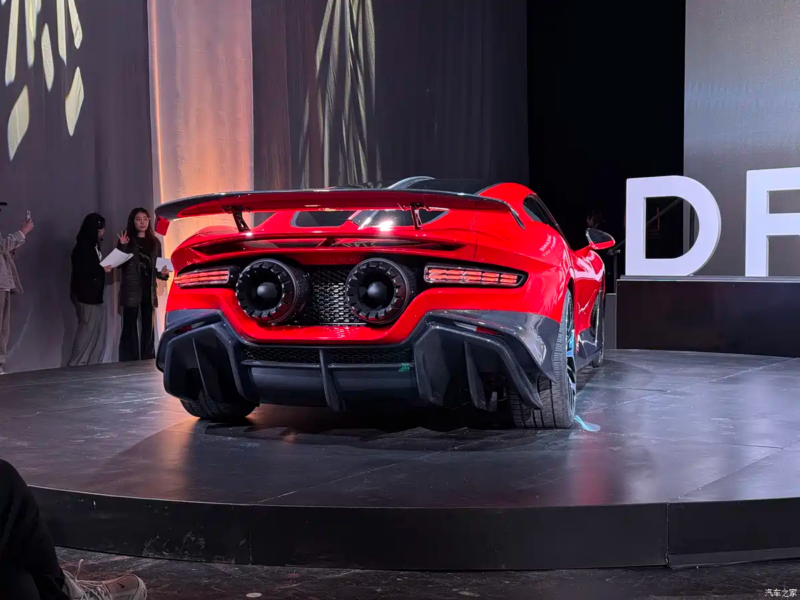
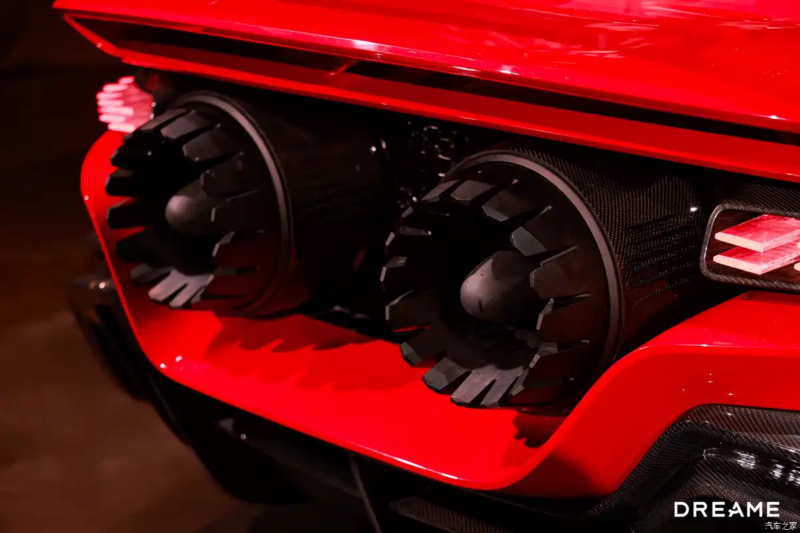
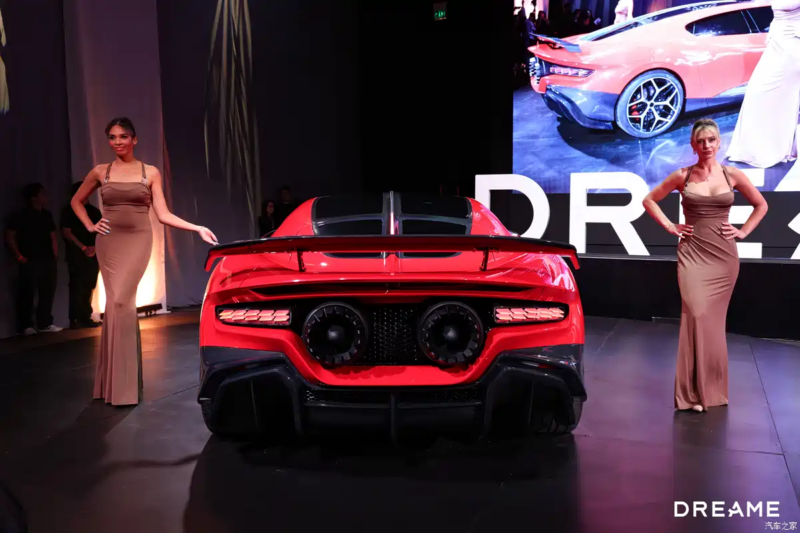
The centrepiece of the Nebula Next 01 Jet Edition is its custom-designed dual solid rocket booster system. According to Dreame’s technical personnel, quoted by Autohome, the powertrain represents an attempt to adapt aerospace-grade technology for civilian use, featuring a response time of 150 milliseconds and a maximum thrust output of 100 kilonewtons. The company claims the system balances high performance with safety through precision electronic control systems.
All-solid-state battery technology
The vehicle is equipped with a sulfide-based all-solid-state battery boasting an energy density exceeding 450 Wh/kg. Compared to traditional lithium batteries, the solid-state battery offers higher energy density and improved charging safety. Dreame stated the technology is currently in the preparation phase for mass production, with a CLTC range exceeding 550 km.
Chassis and autonomous driving
The Nebula Next 01 Jet Edition features a full steer-by-wire architecture supporting 14 degrees of freedom non-linear cooperative control with response times within 1 millisecond. The system enables manoeuvring in complex scenarios, including lateral parking, pivot turns, and stability control during tyre blowouts.
For intelligent driving, the vehicle adopts a three-system architecture based on VLA (Vision-Language-Action) large models, incorporating “world understanding, self-evolution, and human-machine co-driving” capabilities. The system has been tested in extreme conditions, including dense fog, mountain roads, and construction sites.
LiDAR system
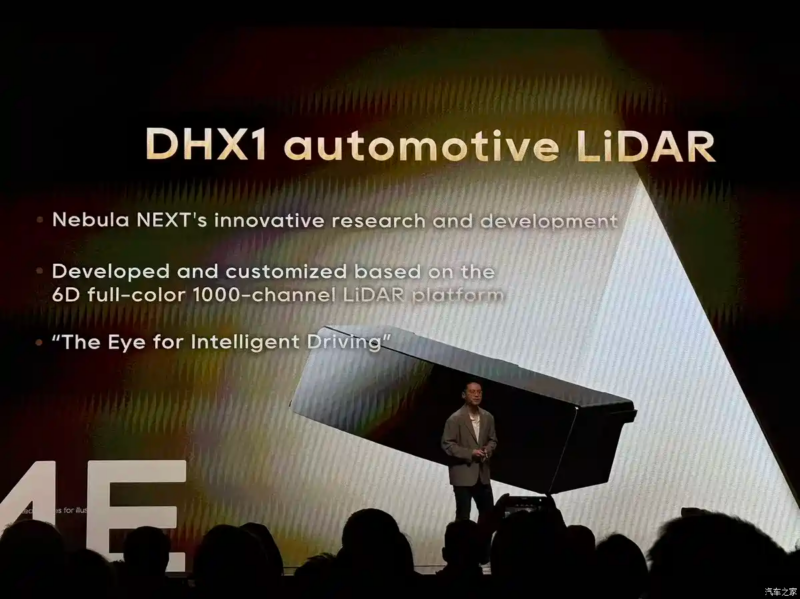
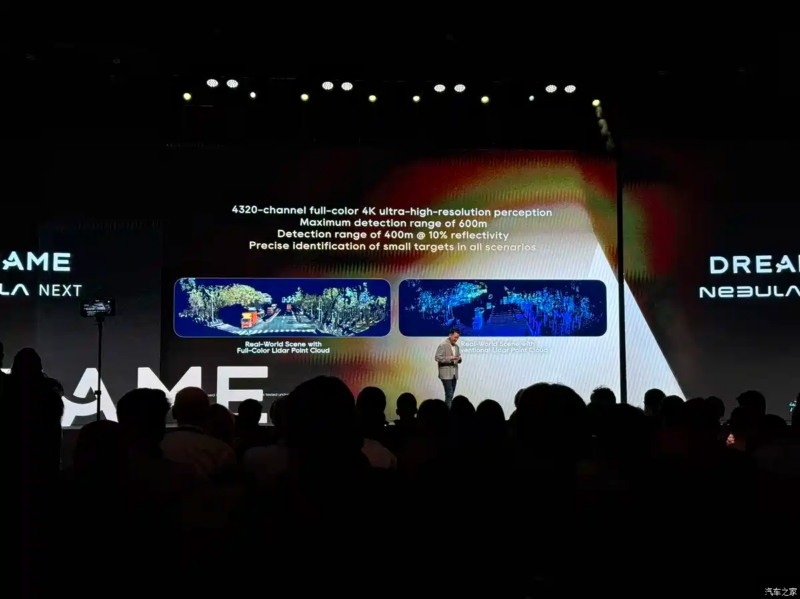
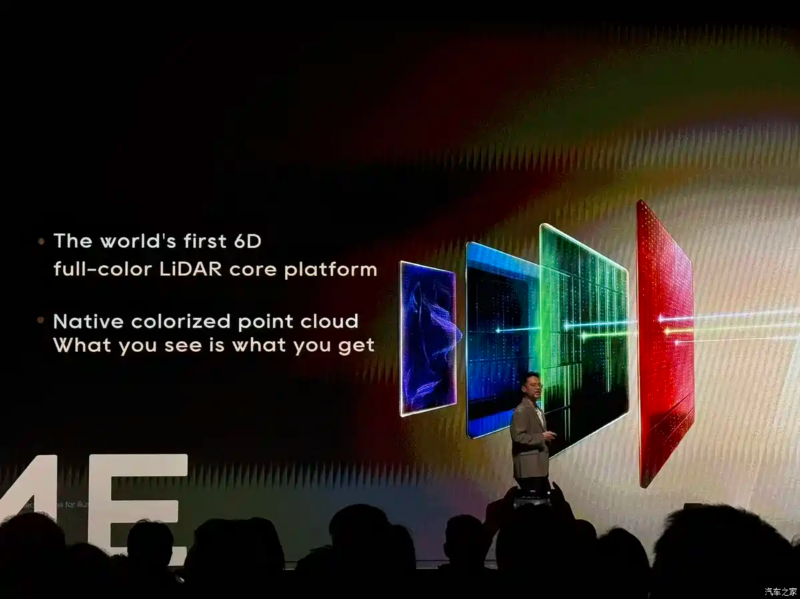
The vehicle is equipped with the DHX1 LiDAR, featuring 4,320 lines with full 4K colour capability. The system offers a maximum detection range of 600 meters, can identify objects at 400 meters even at 10% reflectivity, and detect small targets such as traffic cones at 300 meters and small animals at 280 meters.
Smart cabin
The cabin incorporates on-device large models enabling proactive services and cross-device coordination, positioning the vehicle as a “smart life central brain” that connects with home robots and smart appliances.

Sebastian Thrun, professor at Stanford University and widely recognised as the father of modern autonomous vehicles, attended the launch event and acknowledged Dreame’s technological innovation.
“Dreame’s deep integration of aerospace technology, AI intelligence, and the automotive industry — this cross-boundary innovation model may provide new ideas for the future development of intelligent mobility,” Thrun stated.
Editor’s comment
Sounds too good to be true.