South Korean President says China has caught up or surpassed Korea in technology
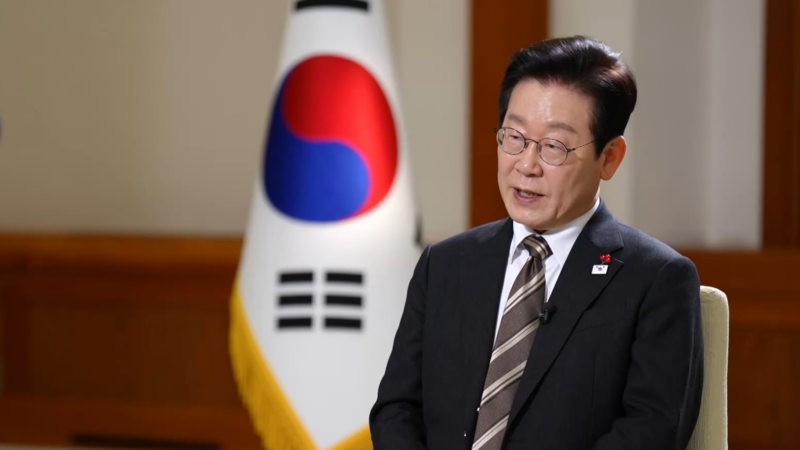
South Korean President Lee Jae-myung said China has caught up with or surpassed South Korea in technology and capital in many fields, a shift he said is reshaping the basis of bilateral economic cooperation. The remarks were made during an interview with China Media Group (CMG) ahead of Lee’s official visit to China, during which he will lead a delegation of approximately 200 representatives from South Korean companies. The visit comes as industrial competition between the two countries intensifies, particularly in the automotive and electric-vehicle sectors.
Lee said that past China-South Korea economic cooperation followed a vertical structure, with South Korea providing advanced technology and capital while China contributed labour. He stated that China’s rapid development has altered this relationship, necessitating a more equal, horizontal approach to cooperation. Lee said future collaboration should focus on advanced fields such as artificial intelligence and high-tech industries, which are increasingly overlapping with automotive manufacturing and vehicle software development.
The automotive sector reflects these changing dynamics. China has become the world’s largest producer and exporter of new energy vehicles, while South Korea remains a key player in global automotive manufacturing, power electronics, and battery supply chains. Chinese automakers have expanded exports and overseas market access in recent years. At the same time, South Korean manufacturers continue to rely on China as a significant production base and sales market for vehicles and components.
Battery supply chains are a central area of competition and interdependence. Chinese companies dominate global lithium iron phosphate battery production and control large portions of upstream processing for lithium, cobalt, and graphite. South Korean firms remain major suppliers of ternary lithium batteries used by global automakers, including Hyundai Motor Group, but face increasing competition from lower-cost Chinese alternatives as electric vehicle adoption expands.
Vehicle software and intelligent driving systems are another area where competitive boundaries are narrowing. Chinese automakers have accelerated deployment of advanced driver-assistance systems, in-vehicle operating systems, and artificial intelligence-based functions across mass-market models. South Korean manufacturers are increasing investment in software-defined vehicles, autonomous driving research, and artificial intelligence to maintain competitiveness in both domestic and overseas markets.
Trade data and industry reports indicate that Chinese vehicle exports to South Korea have increased. At the same time, Korean parts suppliers face growing pressure from Chinese component manufacturers in areas such as electric motors, power electronics, and battery materials. At the same time, South Korean automakers continue to expand research and development investment in electrification and intelligent vehicles, reflecting efforts to move up the value chain.
Lee said China and South Korea share deeply integrated industrial supply chains and stressed the importance of avoiding confrontation in economic relations. His visit includes meetings with Chinese leaders and business representatives, with discussions expected to cover cooperation frameworks in advanced manufacturing, including automotive and new energy industries.
The visit takes place as both countries adjust industrial strategies amid intensified competition in electric vehicles, batteries, and intelligent automotive technologies.