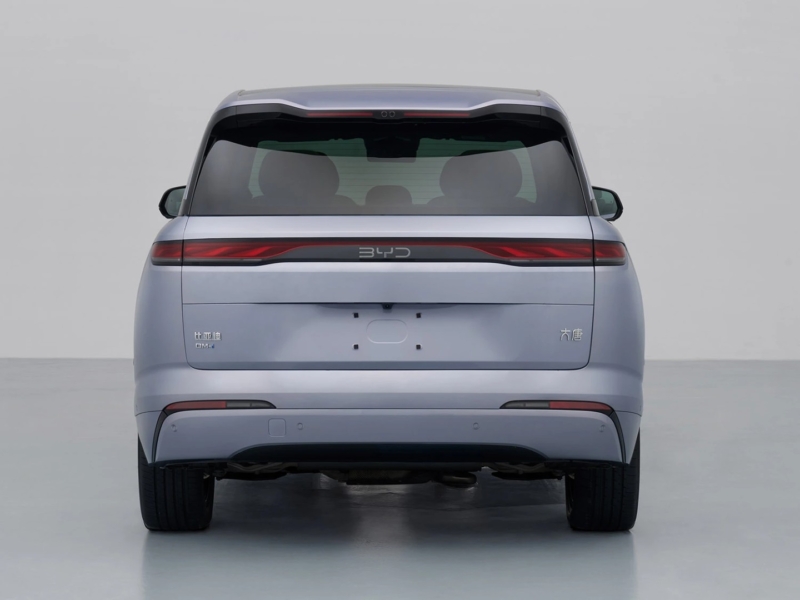
BYD Great Tang hybrid declared: 342 km EV range, launch H1 2026
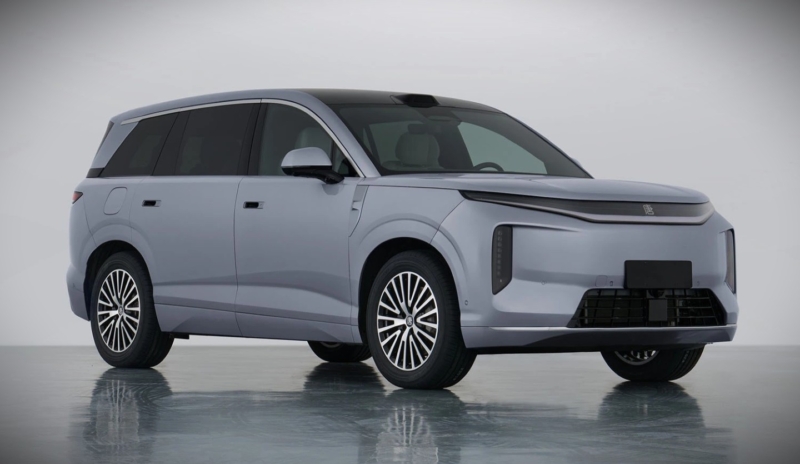
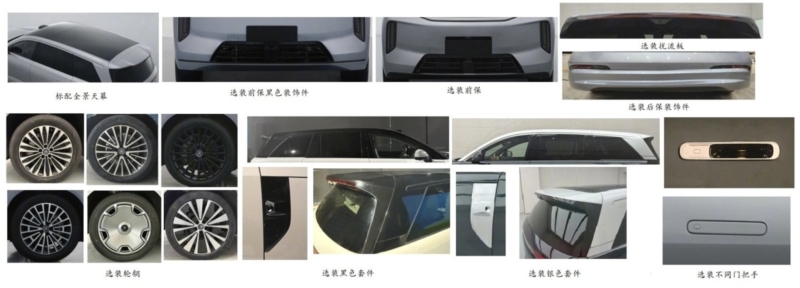
China’s Ministry of Industry and Information Technology (MIIT) has published the declaration of the BYD Great Tang DM‑i, the Dynasty brand’s first D‑segment flagship SUV. The filing confirms a footprint exceeding 5.2 meters in length and a 3.13‑meter wheelbase, positioning Great Tang above the Tang L (BYD Song L) in scale and market class. Launch is scheduled for the first half of 2026.
Technical Overview
The MIIT listing specifies dimensions of 5263/1999/1810 mm, with a curb weight of 2630 kg and a gross weight of 3235 kg. The declared DM‑i hybrid integrates a 1.5T engine rated at 115 kW and a single motor rated at 200 kW. The CLTC‑rated pure electric range is 342 km.
BYD has separately announced a Great Tang EV variant with 950 km CLTC range and 0–100 km/h acceleration in 3.9 seconds, supported by Flash Charging technology. The company claims “5 minutes to full, 9 minutes to saturation, +3 minutes at –30°C,” though these figures have not been verified.
Product Context
The Great Tang interior adopts a 2+2+3 seating layout. The second row features independent zero‑gravity seats with integrated leg rests, an overhead entertainment screen, tray tables, and hot/cold storage. The third row offers three electrically adjustable seats with heating. The cockpit integrates a driver instrument display, a floating centre screen, and a passenger entertainment screen.
Chassis systems include Yun‑Nian A, combining dual‑chamber air suspension with road‑preview functionality. Roof‑mounted lidar hardware is visible in the filing, indicating advanced driver assistance capability.
Market Positioning
The BYD Great Tang DM‑i enters the D‑segment as Dynasty’s largest SUV, positioned above Tang L. No official price has been announced, but the filing places it in the premium category where domestic rivals include Nio ES9 and Xpeng G9, both large electrified SUVs. Imported comparators are the BMW X7 and the Mercedes GLS.
Unlike those rivals, Great Tang will be offered in both DM‑i hybrid and EV forms, reflecting BYD’s dual‑strategy. The MIIT declaration coincides with filings from Zeekr and Xpeng, each emphasising ultra‑fast charging. BYD’s Flash Charging claims position Great Tang directly against Zeekr’s 900V systems, while the hybrid variant ensures compliance with 2026 NEV credit rules.
Outlook
The Great Tang DM‑i represents BYD’s first Dynasty entry into the D‑segment, combining hybrid efficiency with large‑SUV scale. With MIIT approval secured, market rollout in H1 2026 will test demand for premium Chinese SUVs priced above 400,000 yuan. Integrated backstories position Great Tang as both a hybrid and an EV flagship, reinforcing BYD’s strategy to compete directly with global full‑size SUVs.