No cheap EVs: Xiaomi rules out sub‑13,800 USD models as CEO confirms no budget plans
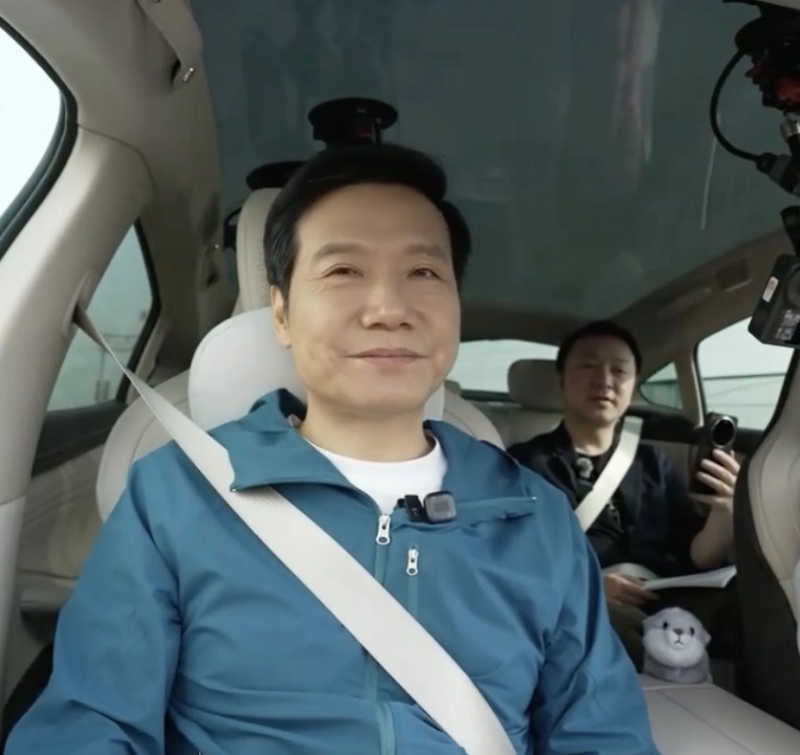
Lei Jun, Xiaomi CEO, said Xiaomi will not introduce electric vehicles priced below 100,000 yuan (approximately 13,800 USD) in the coming years, during a live broadcast of the SU7 endurance challenge on April 17, IT-home reports.
Responding to a question about entering the budget segment, Lei said intelligent vehicle development raises costs, making it difficult to maintain pricing below that level.
Narrowing cost gap
Lei disclosed that the new-generation SU7 includes more than 100 upgrades over the previous version. Material costs increased by nearly 20,000 yuan (about 2,760 USD), while the retail price rose by only 4,000 yuan.
The updated SU7 starts at 219,900 yuan (around 30,300 USD), positioning it well above the 100,000 yuan threshold Xiaomi ruled out.
Strong early demand
The pricing strategy comes alongside strong initial demand. Xiaomi reported that the 2026 SU7 secured 15,000 orders within 34 minutes of launch, indicating continued traction in the mid- to high-end EV segment.
This rapid order intake reflects Xiaomi’s positioning strategy, focusing on higher-spec vehicles rather than competing in the entry-level price war.
Product positioning
The decision confirms Xiaomi’s focus on higher-priced EV segments, where intelligent driving systems, software ecosystems, and advanced hardware represent a larger share of total cost.
Lei stated that delivering competitive intelligent vehicle capabilities remains a priority, noting that this comes at a cost, compared with simpler entry-level EVs
Communication strategy
During the livestream, Lei described public communication as a source of pressure, noting that misstatements could quickly trigger negative reactions online. He said Xiaomi plans to communicate more directly to improve public understanding of its products.
Industry context
China’s EV market remains highly competitive, particularly in lower price segments. Budget EVs under 150,000 yuan are dominated by high-volume models focused on cost efficiency rather than advanced intelligent features.
A recent CarNewsChina report also showed shifting dynamics within smaller EV segments, where some established players have seen volatility in rankings and sales performance, reflecting ongoing competition in price-sensitive categories.
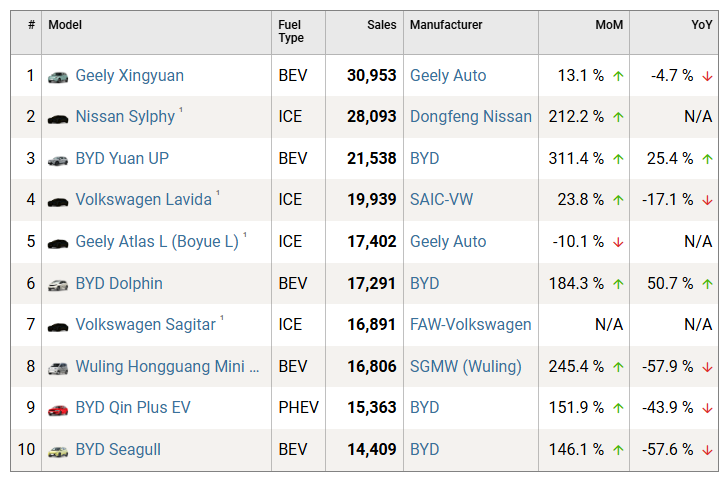
(Under 14,000 USD). Credit: China EV DataTracker
Sales context
China’s small-car and hatchback segment continued to face pressure in early 2026. In January, entry-level EV hatchbacks recorded broad declines after the purchase tax exemption ended, with leading models falling sharply month on month and only the top two exceeding 10,000 units, while BYD dropped out of the top three rankings.
By March 2026, total sedan and hatchback sales reached 844,000 units, down 19.8% year on year, with first-quarter volume at about 2.13 million units, also down 20.6% year on year.
Recent model-level data shows a mixed picture within the segment. The Geely Xingyuan led with 30,953 units, followed by Nissan Sylphy at 28,093 units, while EVs such as BYD Yuan Up (21,538 units) and BYD Dolphin (17,291 units, +50.7% YoY) remained among the top sellers.
At the lower end, entry-level EVs, including the Wuling Hongguang Mini EV and the BYD Seagull, recorded steep YoY declines of 57.9% and 57.6%, respectively, highlighting continued volatility in the most price-sensitive segment.