China tightens door handle rules, mandating mechanical opening after crashes and EV battery incidents

High-profile crashes involving Xiaomi’s SU7 electric sedan have renewed focus on vehicle door safety. China’s Ministry of Industry and Information Technology has launched a public consultation on draft national standards requiring that doors remain mechanically operable after collisions or EV battery thermal incidents. The proposals are open for comment from December 17 to 23, 2025, and represent the next step in updating China’s mandatory vehicle safety regulations, according to Y-Auto.
The consultation follows an earlier regulatory step reported by CarNewsChina on September 24, when draft safety requirements for vehicle door handles were first released for public comment. That draft outlined the framework for mechanical door-opening functions during emergencies. The newly released documents now provide the formal draft for approval, including detailed technical requirements and test methods, indicating further progress toward implementation.
According to the ministry, the draft standard titled Automotive Door Handle Safety Technical Requirements mandates that each side door, excluding tailgates, be equipped with a mechanically released exterior door handle. The design must allow occupants or rescuers to open the door without tools after irreversible restraint system deployment or battery thermal propagation events. Vehicles with electronically controlled or automatically activated door-locking systems must still permit mechanical release even when the locking system remains engaged during such events.
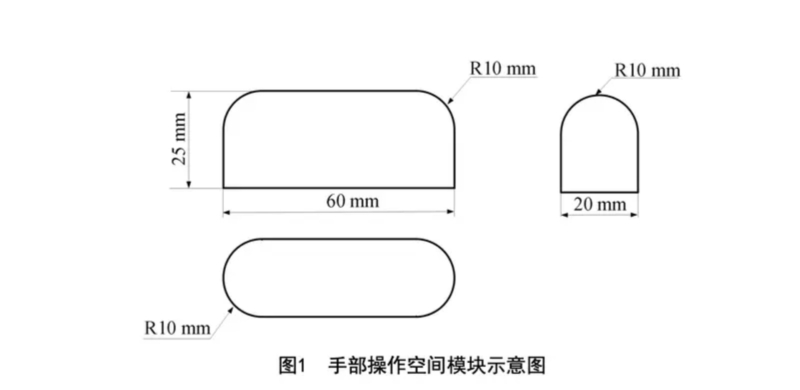
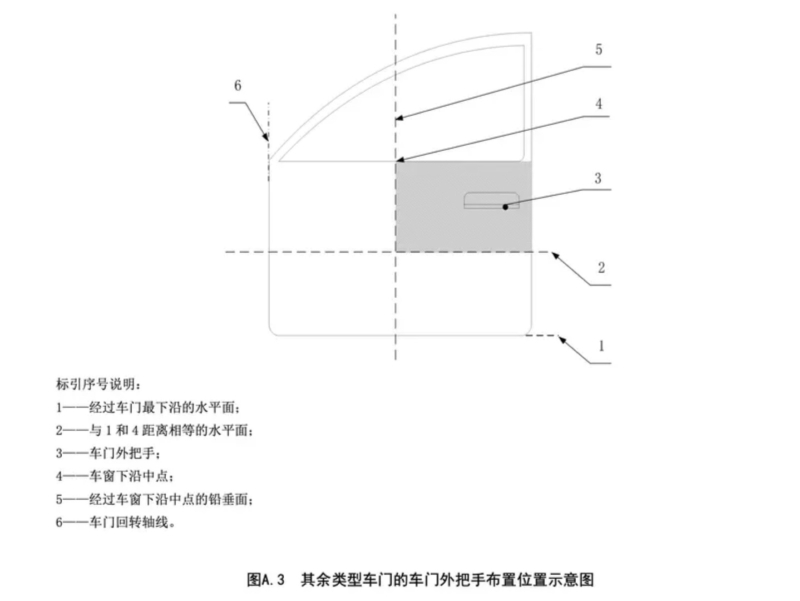
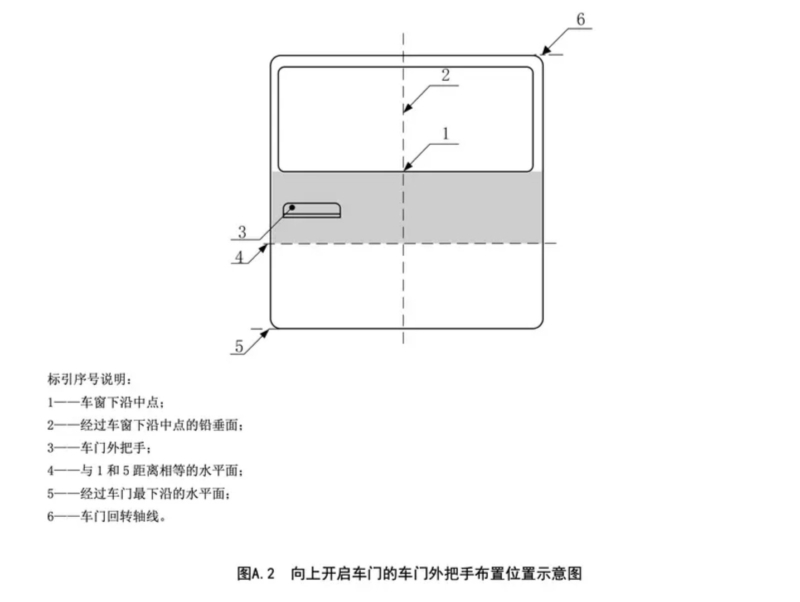
The draft specifies that exterior door handles must be positioned within defined accessible areas on the door or adjacent door frame, depending on door opening type. Sufficient hand-operating space must always be maintained to ensure mechanical release, even in the event of power loss or system failures.
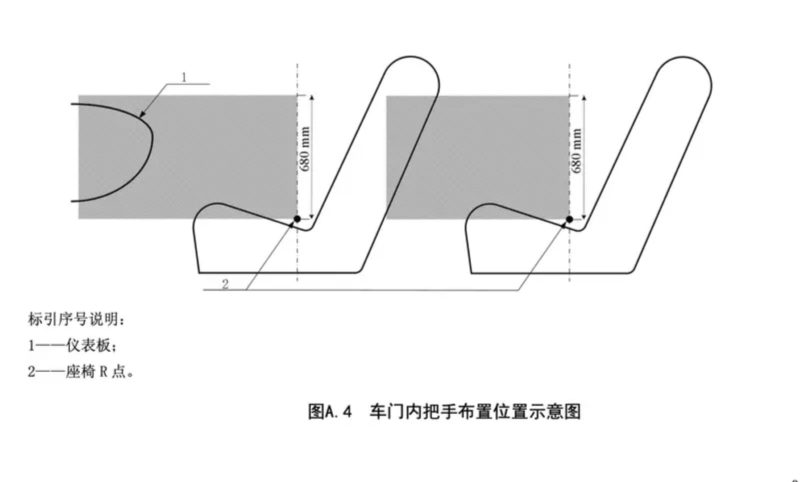
Interior door handle requirements are addressed separately. Each side door must include at least one mechanically released interior handle, and any of multiple handles must independently enable door opening. At least one interior handle must be clearly visible to occupants, positioned within specified distances from the door edge and relative to the seat reference point. Most interior handles must feature permanent identification markings, including standardised symbols with a minimum size, high contrast, and recognisability in low-light conditions.
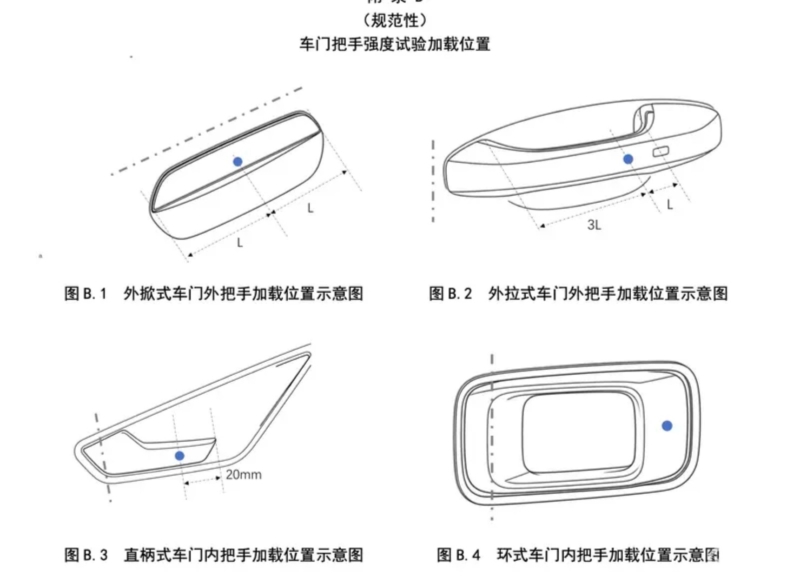
The regulation introduces detailed testing procedures covering static and dynamic exterior handle operation, interior handle functionality, and handle strength. Exterior handles must withstand a minimum force of 500 newtons without breaking or detaching. In comparison, most interior handles must withstand at least 200 newtons, with lower thresholds specified for electronic button-style handles. Testing includes simulated collision conditions, power-disconnection sequences, and post-event door-opening verification.
The draft further defines criteria for determining whether vehicles share the same handle type configuration and outlines phased implementation timelines. For newly type-approved models, specific spatial requirements will apply 13 months after the regulation takes effect, while all other requirements apply immediately. Vehicles already holding type approval must comply 25 months after the regulation enters into force.
The consultation reflects continued regulatory movement toward standardised mechanical door-opening requirements across new and existing passenger vehicle models in China.