Guinness‑certified: Geely i‑HEV hybrid hits 2.22L/100 km fuel use, 48.4% efficiency
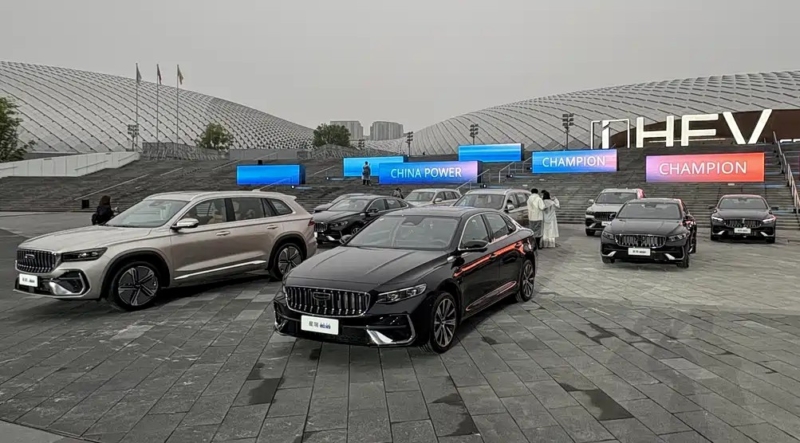
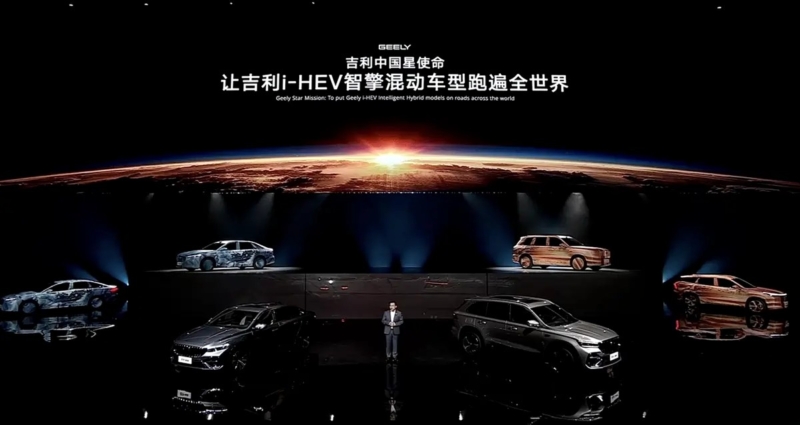
Geely officially launched its new-generation i-HEV “Intelligent Energy” hybrid system, confirming plans to deploy it across key high-volume models, including the Geely Monjaro (Xingyue L) and Geely Preface (Xingrui), Autohome reports.
Narrowing cost gap
Geely stated that the i-HEV system improves overall energy efficiency by more than 10% through AI-based energy management and a hybrid-dedicated powertrain.
This aligns with a broader industry shift in China, where automakers are increasing focus on hybrid systems as a cost-controlled alternative to battery-electric vehicles. HEVs typically use smaller batteries of around 1–2 kWh, significantly reducing exposure to raw-material costs compared with larger battery packs in plug-in hybrids or EVs
Performance metrics
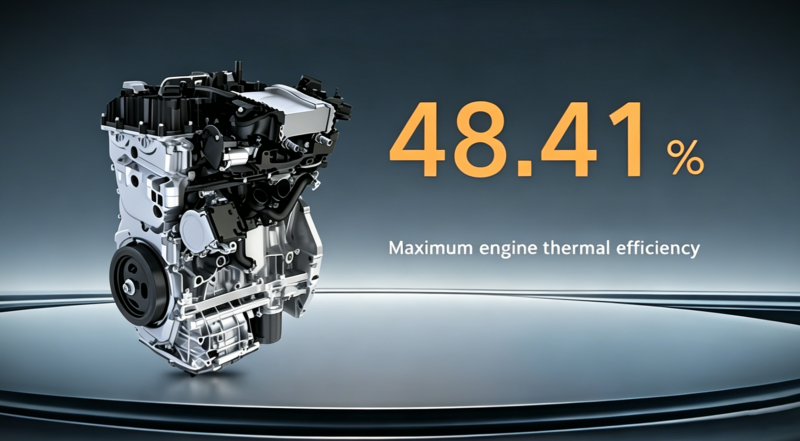
The i-HEV system uses a dedicated hybrid engine with a claimed thermal efficiency of 48.4%, which Geely positions as one of the highest in mass production.
The electric drive delivers 230 kW, enabling 0–30 km/h acceleration in 1.84 seconds. The system is optimised for low-speed urban responsiveness and energy recovery efficiency.
Geely also stated that the i-HEV system achieved a Guinness-certified fuel consumption figure of 2.22 L/100 km under combined conditions, providing third-party verification of its efficiency claims, according to IThome.
New models debut
Geely introduced hybrid variants of two core models:
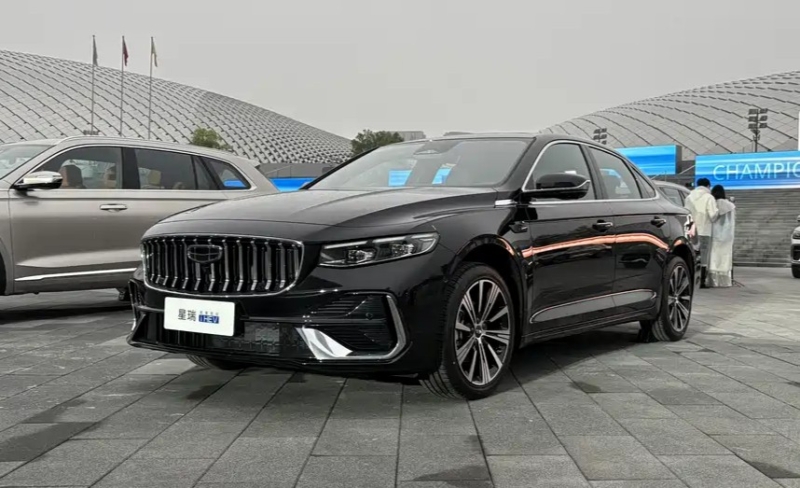
- Geely Preface (Xingrui)
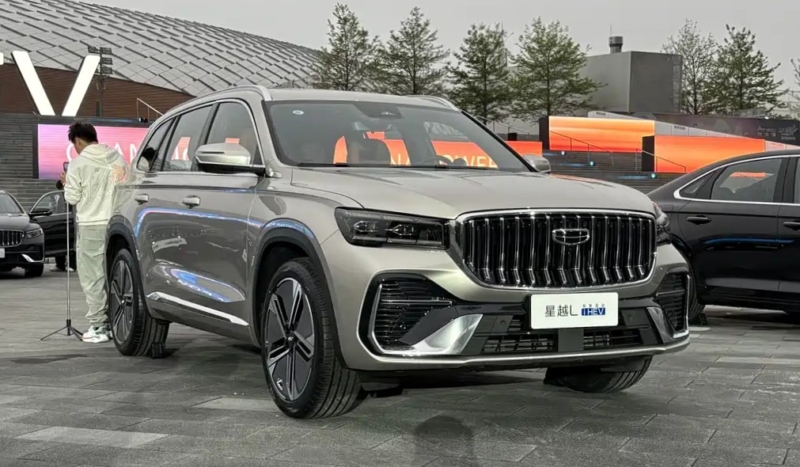
- Geely Monjaro (Xingyue L)
The Geely Preface i-HEV achieves WLTC fuel consumption of 3.98 L/100 km, while the Geely Monjaro i-HEV records 4.75 L/100 km.
Both models largely retain their existing exterior design, with minor updates such as new wheel designs and revised exterior colour options.
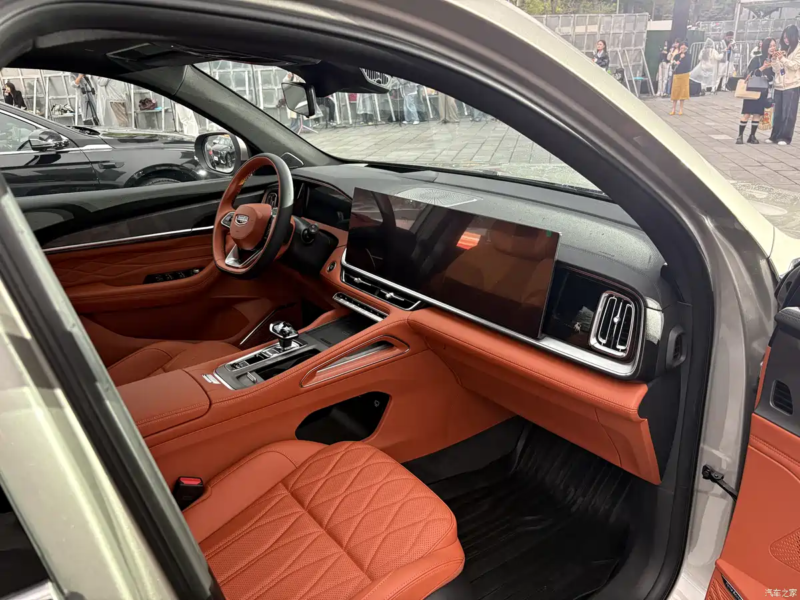
Inside, both models feature dual-screen layouts, Flyme Auto infotainment, and smartphone integration, including Huawei HiCar and other connectivity systems. Higher trims add HUD displays, ventilated and massaging seats, and adjustable rear seat configurations.
Scaling up
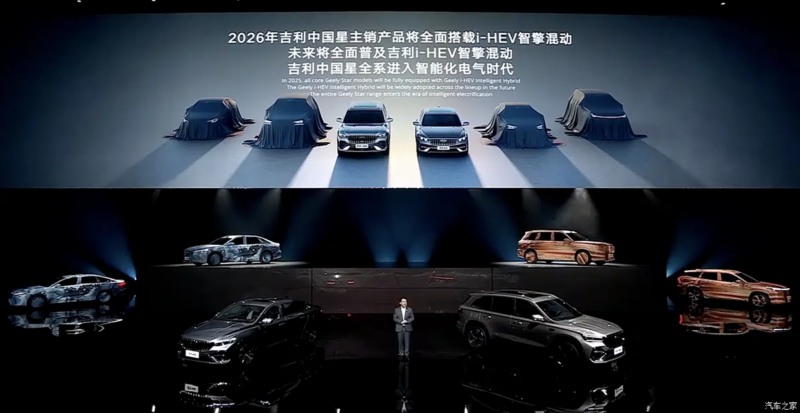
Geely confirmed that the i-HEV system will be deployed across its key-volume models, including the Geely Preface (Xingrui), Geely Monjaro (Xingyue L), Emgrand, and Boyue.
The rollout is scheduled for 2026, marking a wider expansion of hybridisation across Geely’s mainstream passenger car lineup.
The system supports multiple hybrid-dedicated engines, including 1.5L, 1.5TD, and 2.0TD variants, paired with an 11-in-1 electric drive unit.
Industry push
The launch comes amid a broader resurgence of hybrid development in China. Automakers including Geely, Chery, and Changan are expanding HEV programs, with some targeting fuel consumption near 2–3 L/100 km under certain conditions.
Globally, hybrids remain a significant segment. Toyota reported approximately 4.4 million hybrid vehicle sales in 2025, accounting for about 42% of its total volume, indicating continued demand across multiple markets.
Chinese automakers are pursuing a different technical approach, typically using higher-power electric motors to emphasise performance alongside efficiency.
Alternative fuels context
Alongside hybrid development, Geely has continued to promote alternative energy pathways. Company chairman Li Shufu recently stated that methanol fuel offers an energy density more than 10 times that of lithium-ion batteries, suggesting potential advantages in vehicle weight and transport efficiency.
He also linked battery weight to higher energy consumption in heavy-duty scenarios, while noting that battery-electric vehicles have already reached large-scale adoption in China.
Geely has pursued methanol vehicle technology for over two decades, supported by pilot programs and policy initiatives across multiple regions in China.
Policy backdrop
China’s regulatory environment continues to evolve, with reduced incentives for plug-in hybrids and a gradual shift toward technology-neutral policies. This narrows the gap between different electrified powertrains and may improve the relative positioning of conventional hybrids in the market.
Sales scale
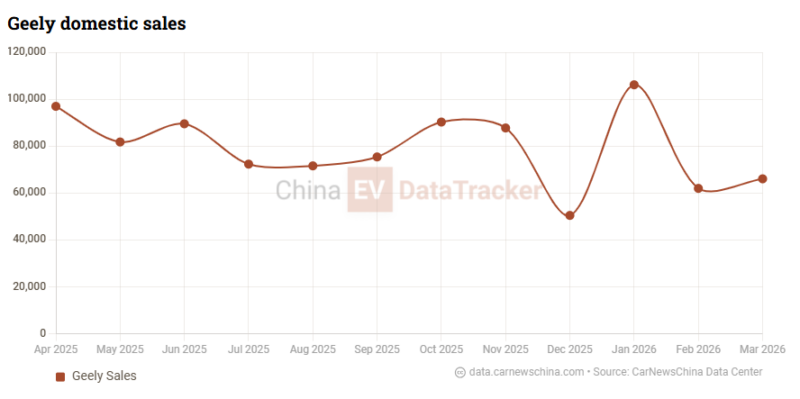
Geely reported sales of 270,167 vehicles in January 2026, followed by 206,160 in February, bringing cumulative deliveries for the first two months to 476,327. In March, monthly sales were around 206,200 units, reflecting a recovery from the seasonal February dip but remaining below peak late-2025 levels.