Geely unveils China’s first Waymo-like native robotaxi prototype at 2026 Beijing Auto Show
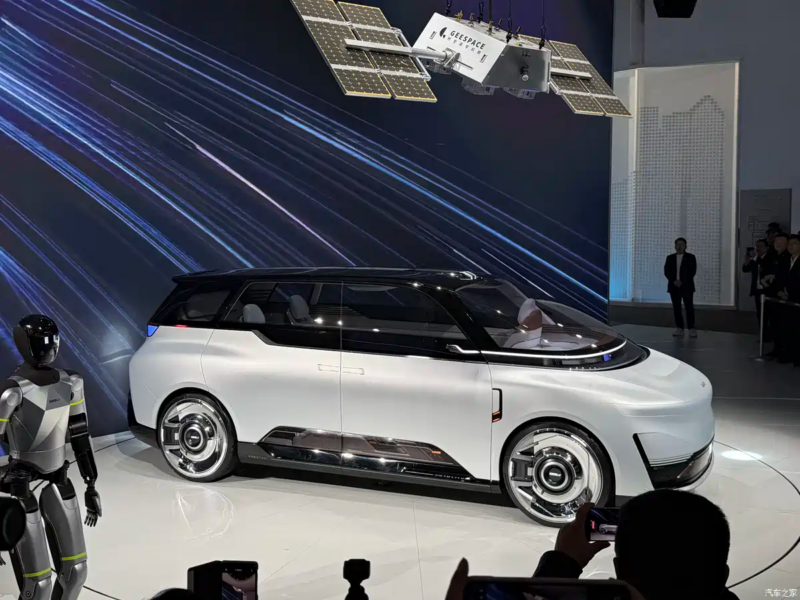
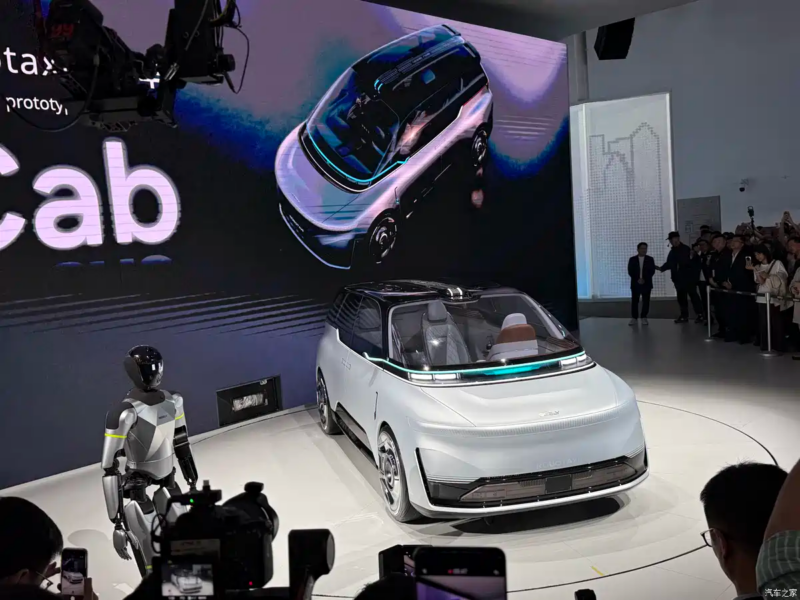
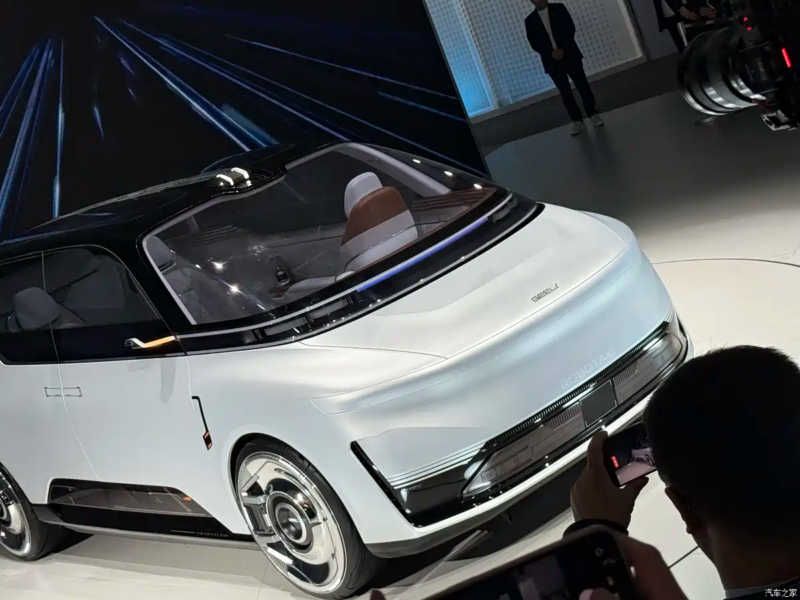
At the 2026 Beijing Auto Show, Geely debuted China’s first native Robotaxi prototype, officially named the Eva Cab.
Core computing and intelligence
The Eva Cab features a 196-billion-parameter Step 3.5 large model and an H9 high-level solution with 1,400 TOPS of computing power. Geely claims the large model achieves an inference speed of 350 TPS, with decision-making capabilities three times faster than human drivers, and can handle 99% of daily travel scenarios, including complex situations such as autonomously navigating manual toll booths and “imagining” paths on unmarked rural roads.
At its core lies the World Action Model (WAM), which upgrades the traditional “perception-decision” process into a closed-loop system with macro-planning and micro-deduction capabilities. This allows the vehicle to “think” and “judge” like an experienced driver when facing unstructured roads or complex traffic negotiations.

Perception hardware
The prototype is equipped with 43 perception components, including LiDAR and high-definition cameras, forming a triple 360° blind-spot-free perception network. This system captures surrounding environmental information, identifying pedestrians, vehicles, and obstacles to effectively avoid driving risks. According to Geely, the vehicle demonstrates performance in complex scenarios, achieving a 95% success rate in multi-turn U-turn manoeuvres – a key indicator of its human-like driving capabilities.
Design
The Eva Cab breaks traditional cockpit layouts by eliminating the steering wheel and conventional control components.
The vehicle also incorporates Geely’s AI digital chassis technology, with a reaction speed of 4 milliseconds. This enables “automatic risk-avoidance” under extreme conditions, offering passengers safety protection described as “active risk avoidance, never losing control.”
Commercialization timeline
Geely said a deep customisation version developed with Caocao Mobility is planned for mass production in 2027, when commercial operations will begin. This will gradually bring unmanned driving technology into real-world transportation scenarios.
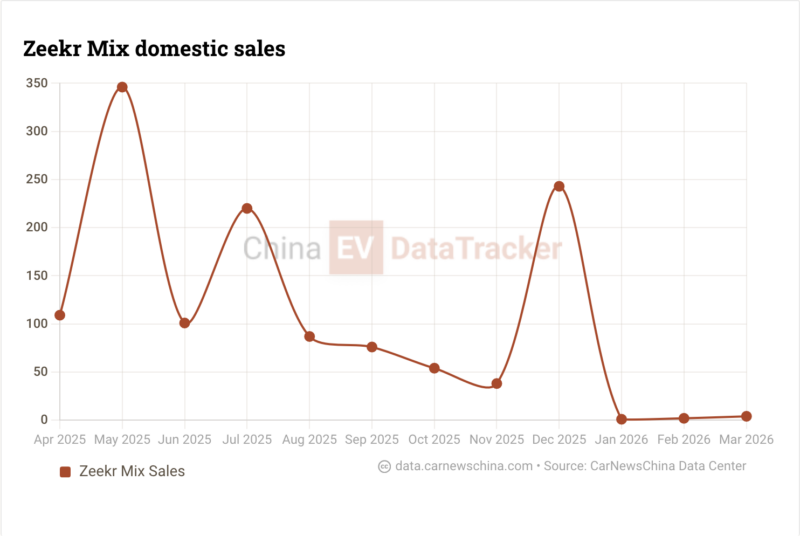
There were previous reports that Geely’s Zeekr and Waymo were collaborating on a robotaxi based on the Zeekr Mix model, but it seems progress hasn’t been smooth, and sales of the Zeekr Mix in China have essentially dropped to zero so far this year.