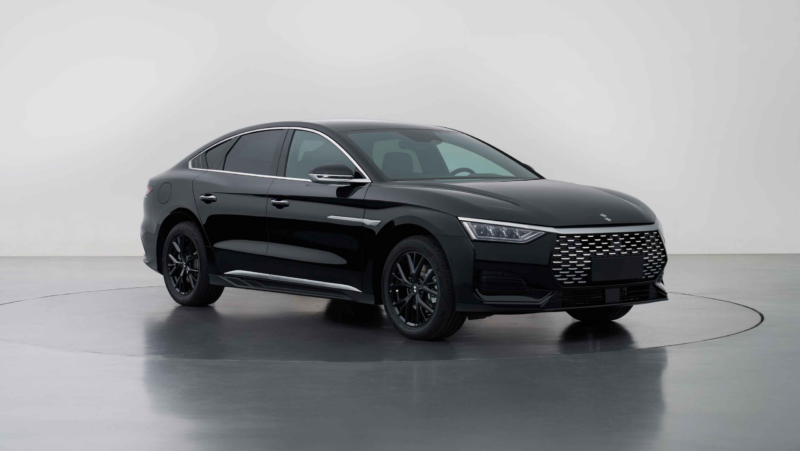
Chinese automotive giant BYD is set to introduce a new sub-brand named “Linghui” (in Chinese: 领汇) ,as evidenced by recent declarations filed with China’s Ministry of Industry and Information Technology (MIIT). The filings reveal a new logo for the Linghui brand, signaling BYD’s intention to differentiate these new models from its existing lineup. Four models – the Linghui e5, Linghui e7, Linghui e9, and Linghui M9 – have been submitted for approval.
The new Linghui brand appears to leverage BYD’s established platforms, with several models based on existing BYD vehicles while adopting a fresh identity.
Linghui e9:
The Linghui e9 is built upon the BYD Han and features a recognizable family design language. It measures 4995mm in length, 1940mm in width, and 1495mm in height, with a wheelbase of 2920mm. Powering the e9 are two electric motor options, offering maximum outputs of 135 kW (181 hp) and 150 kW (201 hp), respectively.
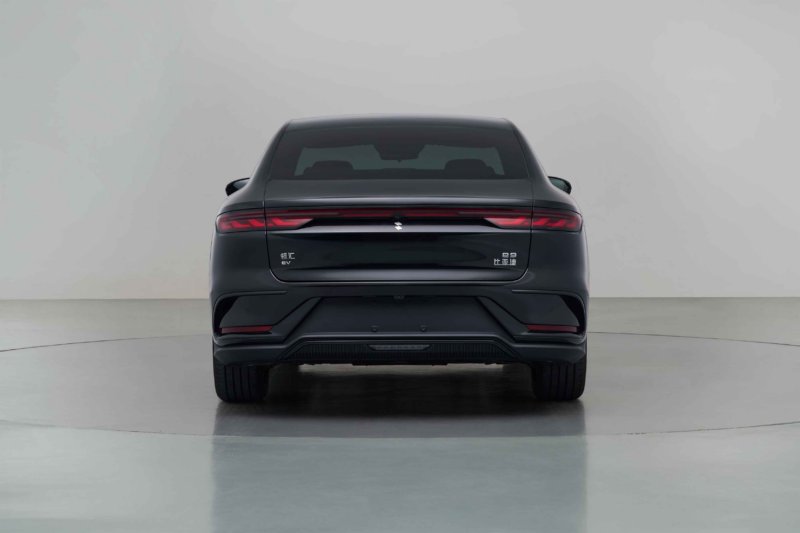
Linghui e7:
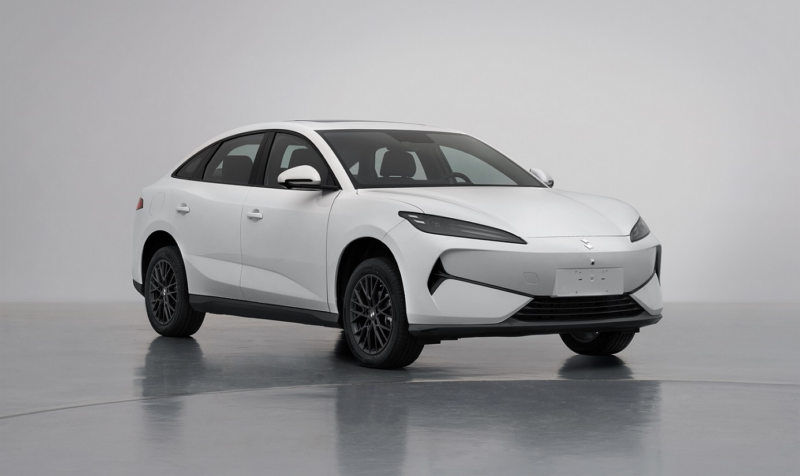
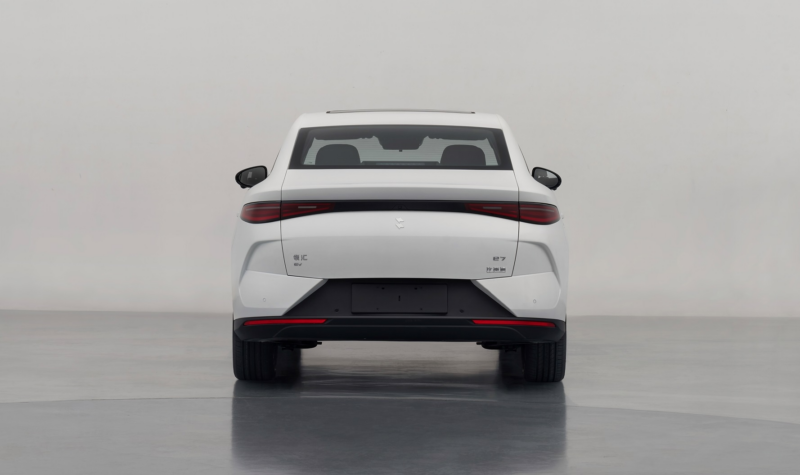
Also adopting a family design language, the Linghui e7 has dimensions of 4780mm (length), 1900mm (width), and 1515mm (height), with a wheelbase of 2820mm. This model will be available with two electric motor configurations, producing 100 kW (134 hp) and 130 kW.
Linghui e5:
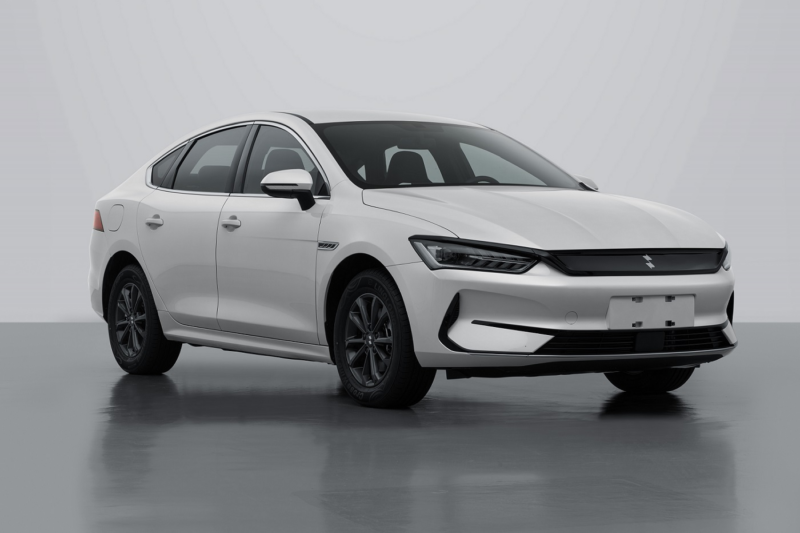
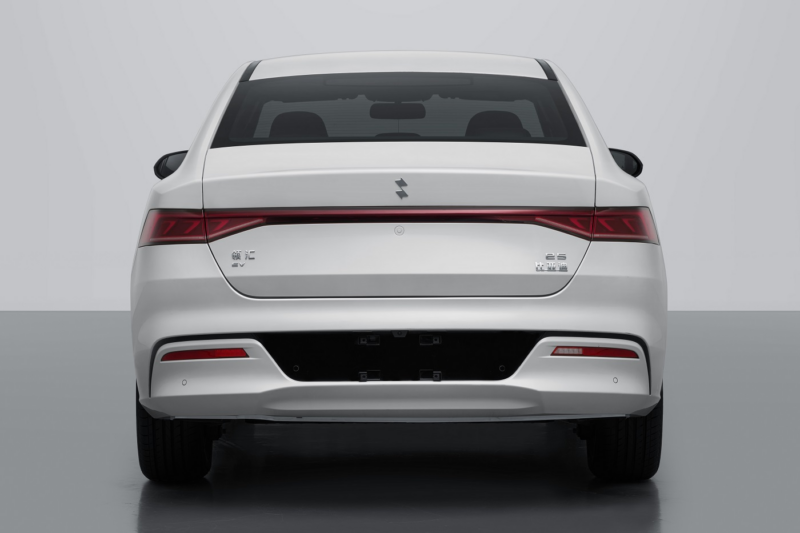
Based on the BYD Qin Plus EV, the Linghui e5 measures 4805mm in length, 1837mm in width, and 1530mm in height, with a wheelbase of 2718mm. It is equipped with a single electric motor delivering a maximum power output of 100 kW (134 hp).
Linghui M9:
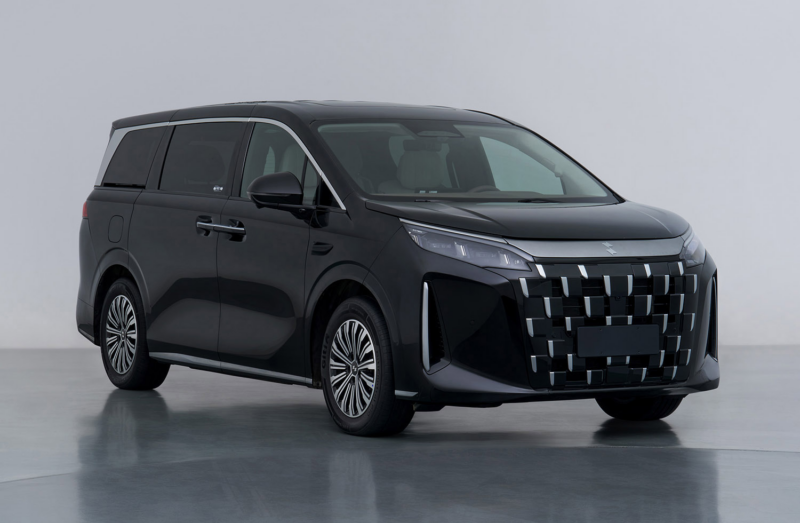
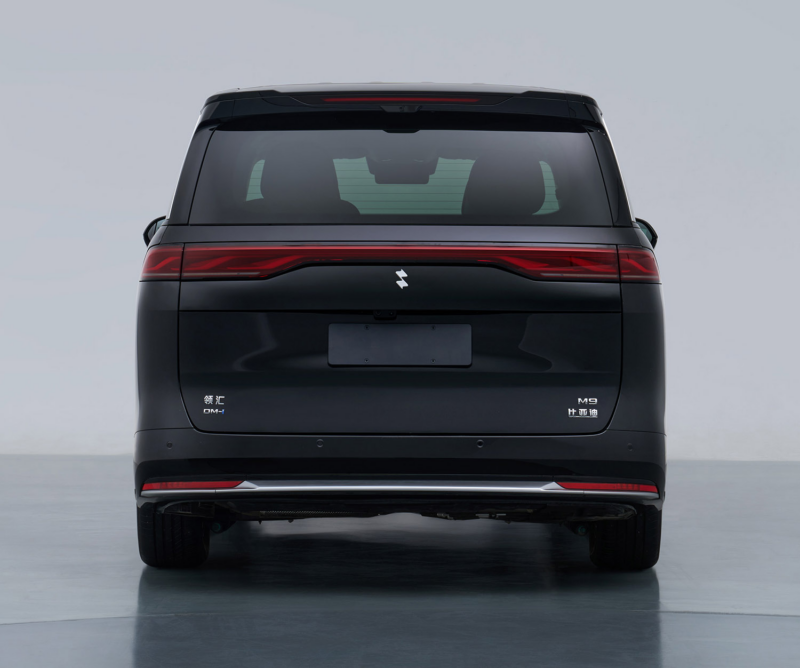
The largest of the initial offerings, the Linghui M9 is based on the BYD Xia, though specific details have been adjusted for the new brand. It boasts dimensions of 5200mm (length), 1970mm (width), and 1805mm (height), with a wheelbase of 3045mm. Unlike the other electric-only Linghui models, the M9 features a plug-in hybrid powertrain, combining a 1.5L engine with an electric motor that produces a maximum power of 200 kW (268 hp).
Editor’s comment
Judging solely by their model names, e9, e7, e5, and even M9 are not new to the market. However, these models were previously directly under the BYD brand. For instance, BYD first launched the e7 model in May of this year, whereas the e5 is a model that dates back several years.
A common characteristic of these models is their widespread use as ride-hailing vehicles. In fact, it’s not just the e7 and e5; models like the BYD Qin Plus are also frequently employed for ride-hailing services, primarily due to their excellent value for money.
Generally, ride-hailing companies, driven by cost-benefit considerations, exclusively opt for models offering the best value. You would never see a Firefly by Nio used for ride-hailing, as it’s far from the optimal choice.
However, if a brand becomes predominantly associated with ride-hailing services, it tends to acquire a “cheap” label in consumers’ minds, subsequently impacting its sales in the private vehicle market. A brand will struggle to maintain its premium image if it’s used as a ride-hailing vehicle.
Several brands heavily utilized for ride-hailing have suffered significantly from this phenomenon. Examples include GAC Aion and Neta, which is now on the brink of collapse, both of whose regular sales have been adversely affected by their widespread adoption in ride-hailing fleets.
Geely, on the other hand, has managed this issue quite effectively. Their primary vehicle for ride-hailing services is the Maple brand. Most people are unaware of its connection to Geely, and even if they are, it’s largely inconsequential because Maple operates as an independent brand.
BYD’s introduction of the Linghui brand appears to be a strategic move to address this very problem. With a substantial number of BYD ride-hailing vehicles on China’s streets, the sales of its higher-priced models, such as the BYD Han or Tang, which are less suited for ride-hailing, have been inevitably impacted. Therefore, launching a dedicated ride-hailing brand to distinguish it from the core BYD brand is a prudent decision, especially as BYD faces domestic sales pressure.