Sunday China Drive | Zeekr 9X: Range Rover and Bentley buyers reportedly switching
Zeekr’s first plug-in hybrid flagship, the 9X, arrives as Chinese automakers intensify their push into the premium, spacious SUV segment. Sitting atop the lineup, it features a dual-motor hybrid powertrain, generous battery capacity, advanced chassis technology, and a configurable six-seat cabin, aimed squarely at the luxury SUV segment. During our test drive, the Zeekr 9X showcased both its technical ambition and the inevitable trade-offs of scale and complexity.
Zeekr representatives say the 9X is attracting buyers who once leaned toward Range Rovers or Bentleys, with anecdotes of customers paying premiums for early delivery slots to resell overseas at higher margins.
The test model was the dual-motor plug-in hybrid, positioned between entry trims and the tri-motor flagship.
Exterior
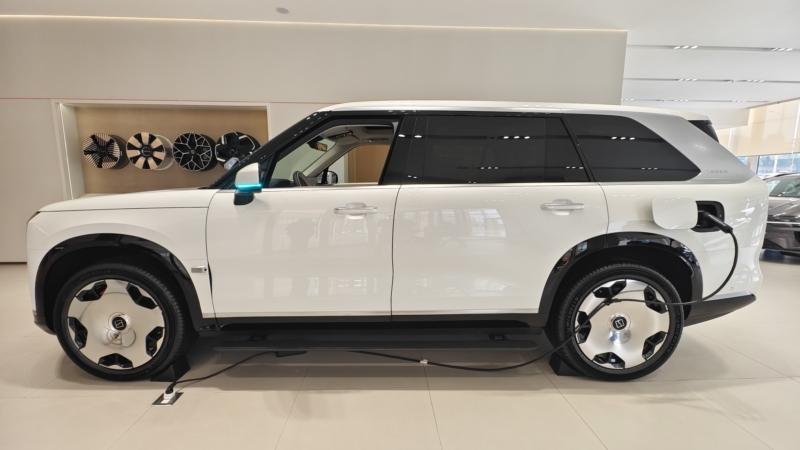
The Zeekr 9X adopts proportions typical of full-size SUVs, with a long body, high roofline, and wide stance designed to emphasise scale and presence. The vehicle measures 5,239 mm in length, 2,029 mm in width, and 1,819 mm in height, with a wheelbase of 3,169 mm.
With air-suspension adjustments, ride height can be adjusted over a wide range, improving accessibility and adaptability to different driving conditions. The dual-chamber air suspension system allows significant ride-height variation and supports off-road use.
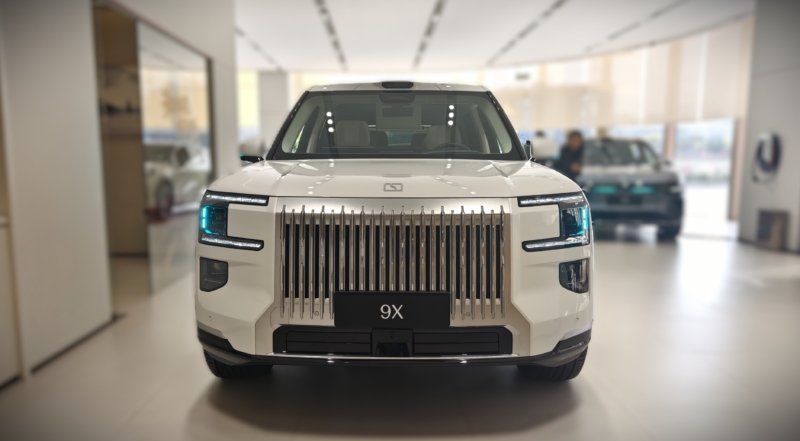
The front fascia features a vertically oriented grille with a waterfall pattern, paired with advanced lighting systems integrating matrix headlights and pixel lighting modules. Wheel options range from 20 to 22 inches; the test vehicle is fitted with 22-inch wheels.
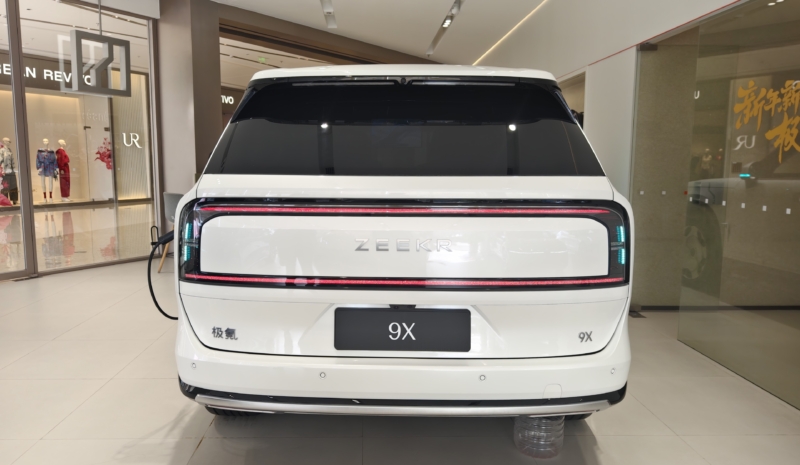
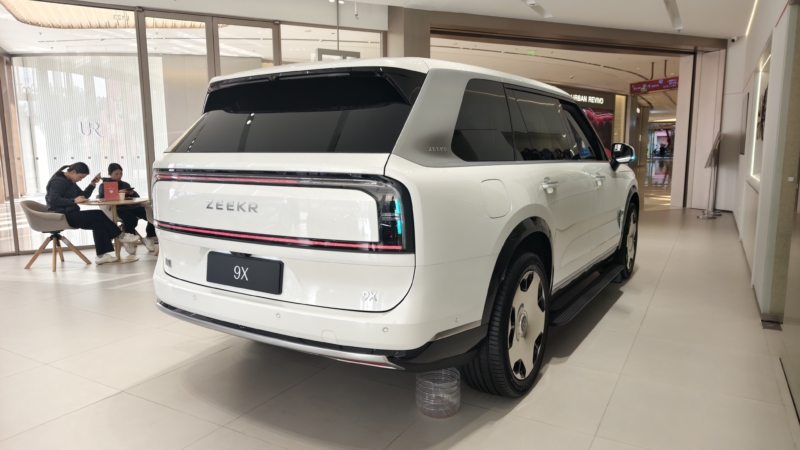
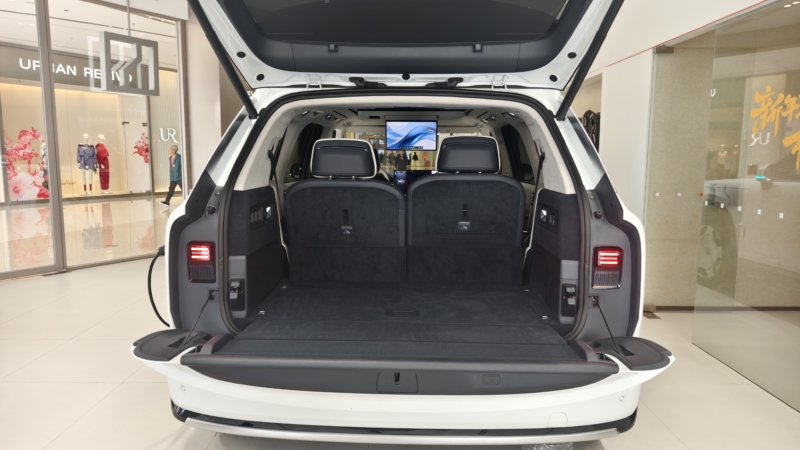
At the rear, the tailgate features a split-opening design that provides partial or full access to the cargo area. Conventional door handles are retained, combining electronic actuation with mechanical redundancy.
Interior
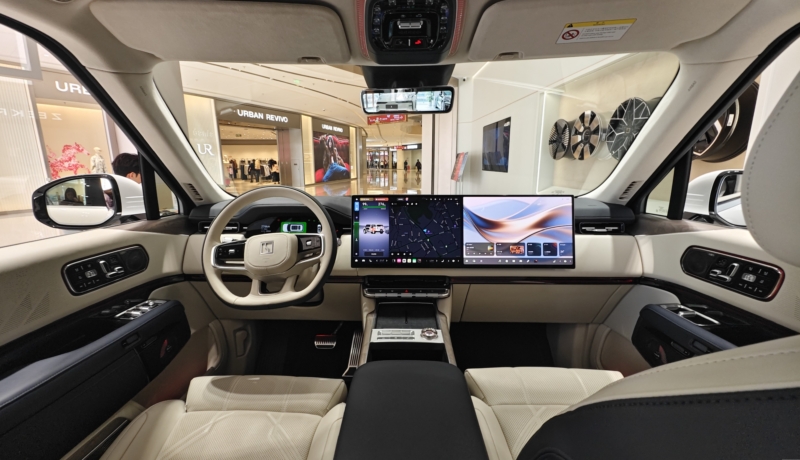
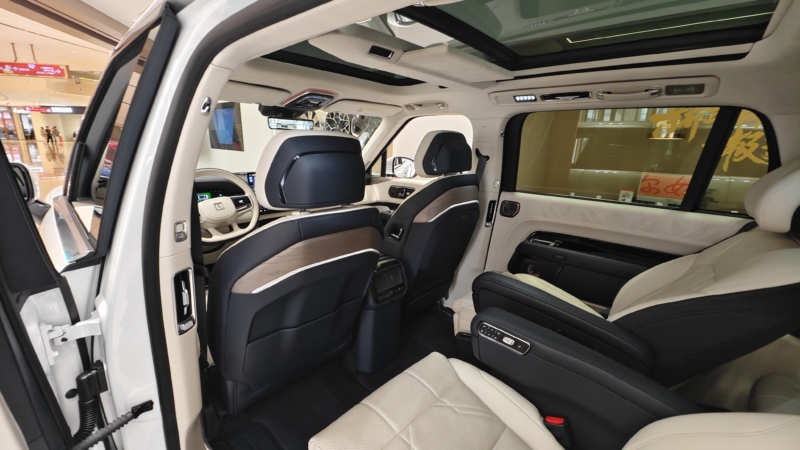
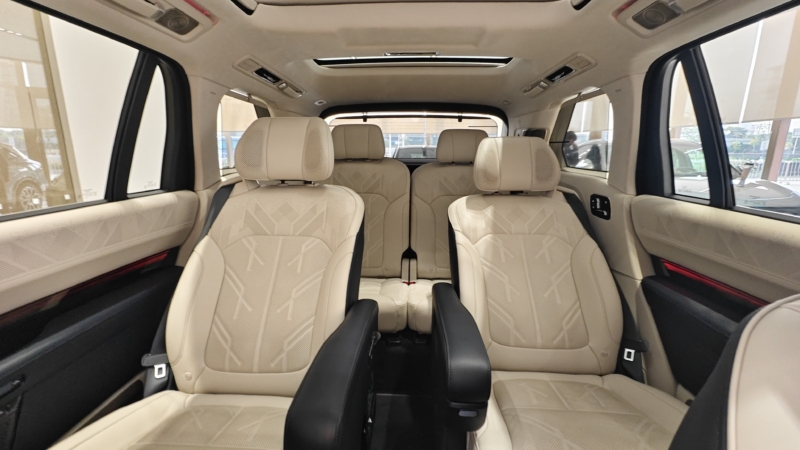
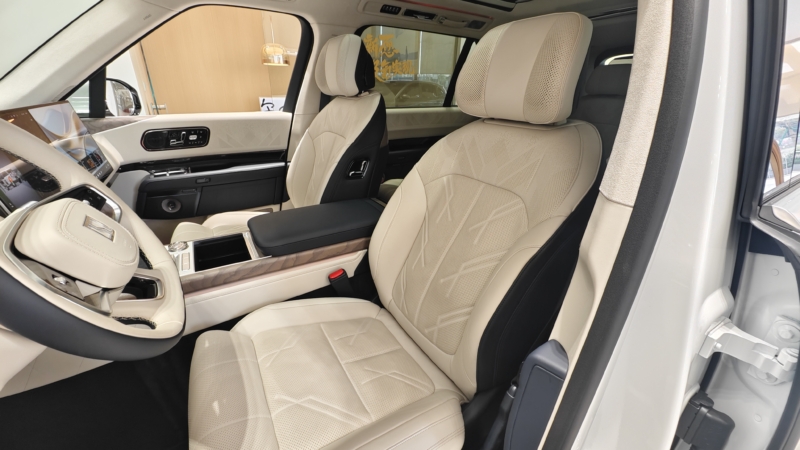
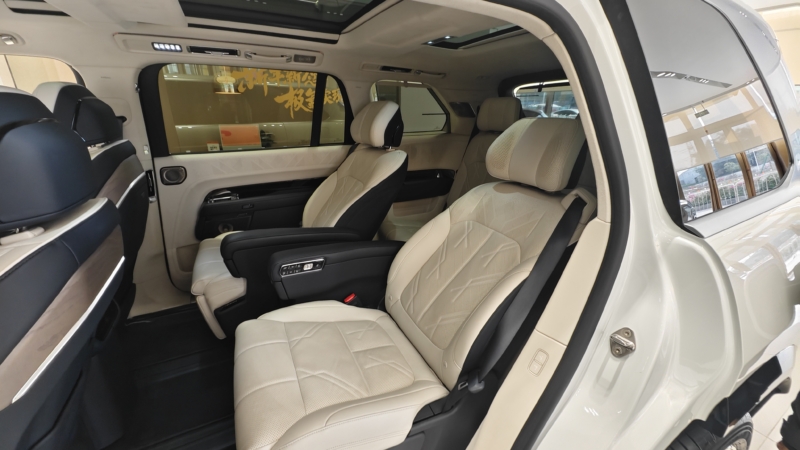
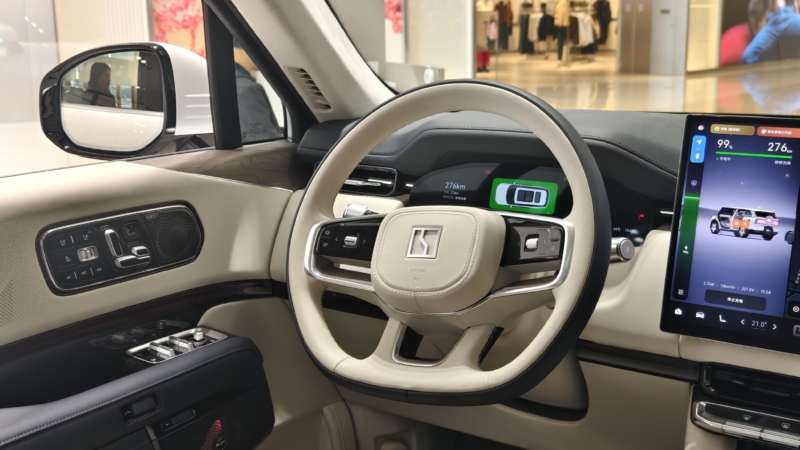
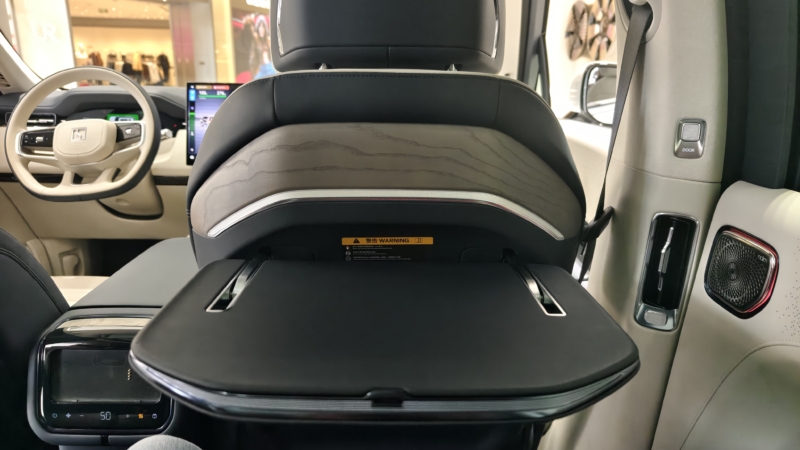
The Zeekr 9X interior prioritises spatial flexibility and multi-scenario usability rather than minimalist design. The six-seat layout supports extensive seat adjustments and transformations.
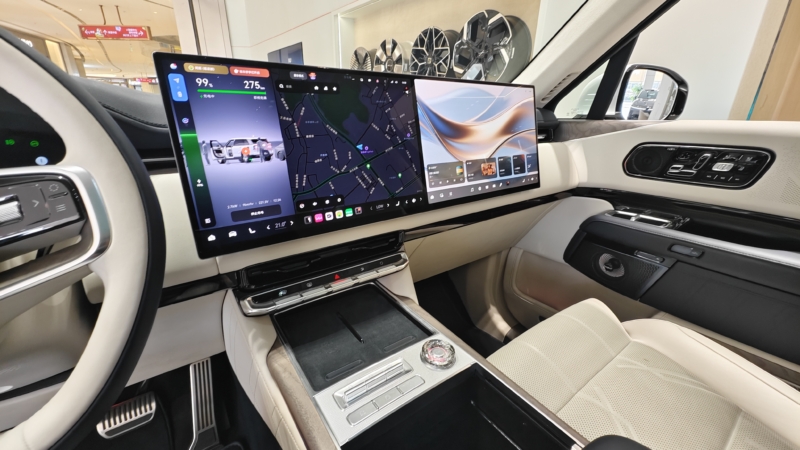
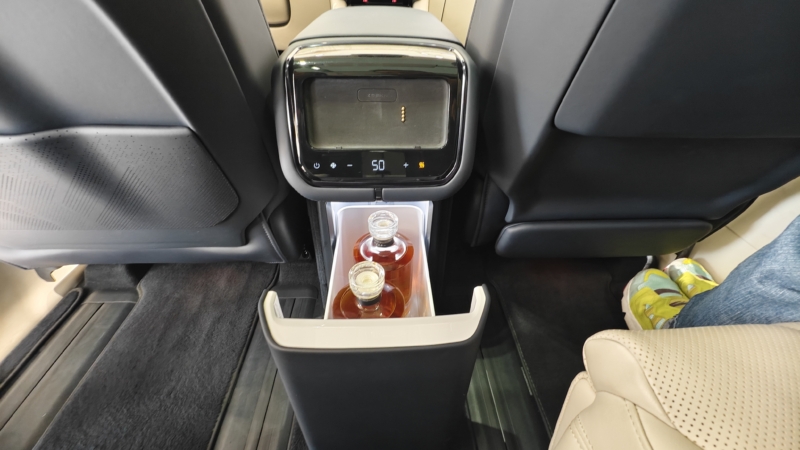
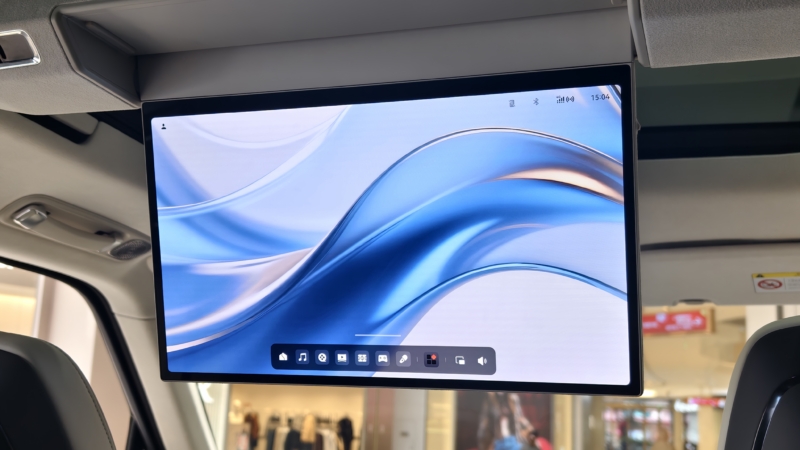
The second-row seats can rotate outward to improve accessibility, while the third row offers independent adjustment and dedicated comfort features. The cabin integrates multiple digital interfaces, including a removable rear control screen and a large sliding entertainment display.
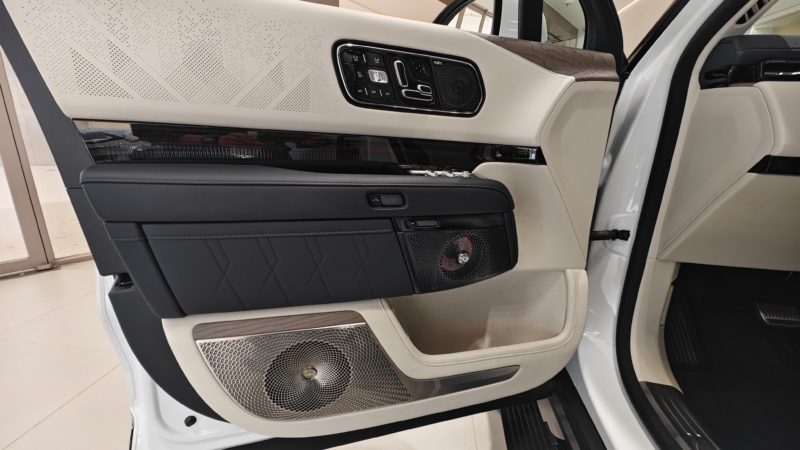
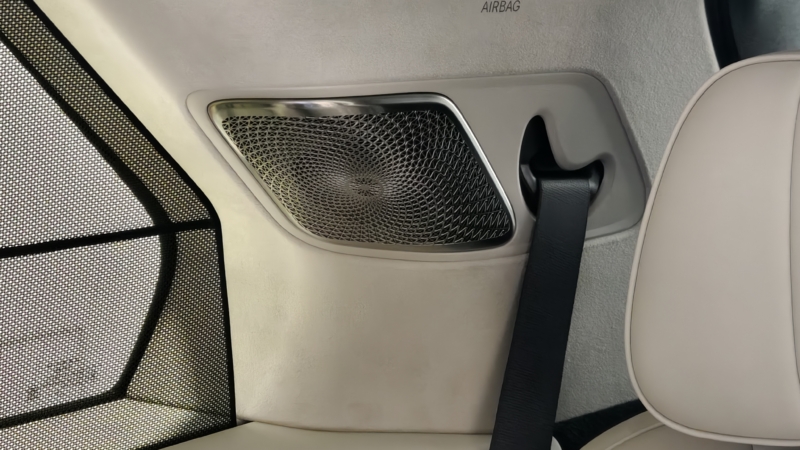
Audio performance is delivered by a high-end Naim system featuring 32 speakers and multi-channel architecture.
Material quality reflects the model’s flagship positioning, with extensive leather surfaces and layered trim materials.
Driving Experience
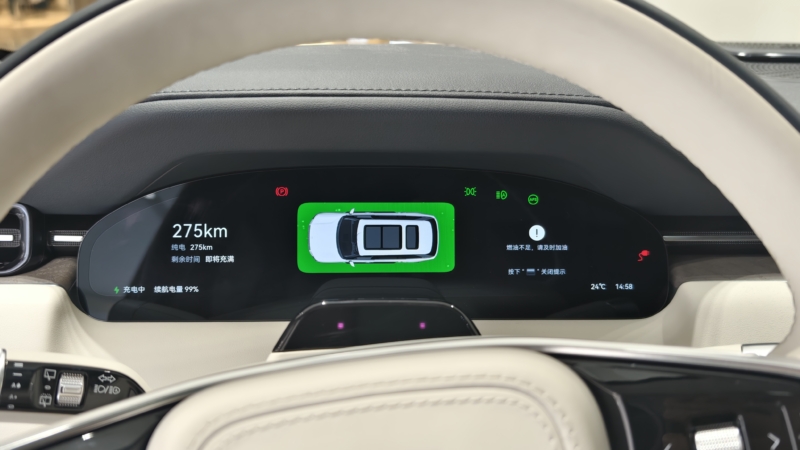
The Zeekr 9X is built around a plug-in hybrid system combining an internal combustion engine with multiple electric drive units, making it one of the brand’s most complex SUVs. Its top configuration features a 70 kWh battery pack—one of the largest in any passenger plug-in hybrid.
In real-world driving, the 9X prioritises electric propulsion at low and moderate speeds, giving it the smooth, quiet character of a battery EV. As speed increases or charge drops, the system seamlessly blends in engine power, with calibrations designed for continuity rather than performance peaks.
Despite a curb weight exceeding 3 tonnes in higher trims, the 9X remains stable under acceleration and braking, aided by torque distribution and electronic controls. On highways, it delivers predictable throttle response and steady power during climbs and overtakes.
Its chassis combines dual-chamber air suspension with adaptive damping, allowing ride-height adjustment for highway stability or rough-road clearance. The system filters road irregularities effectively while keeping body composure, underscoring its premium SUV positioning.
Steering is tuned for stability over agility: moderate effort at low speeds eases urban manoeuvres, while linear response at higher speeds supports controlled lane changes and mountain-road cornering. Body roll develops progressively, giving drivers confidence despite the vehicle’s mass.
Noise and vibration remain subdued. Electric driving eliminates engine noise at low speeds, while hybrid operation introduces it gradually. Road and wind noise rise with speed, consistent with the SUV’s size and aerodynamics.
Energy use varies by mode and conditions, but the large battery enables longer electric driving than typical plug-in hybrids, reducing reliance on fuel. Under mixed driving, efficiency remains balanced for a vehicle of this scale.
Driver assistance is offered in multiple hardware configurations, including lidar-equipped versions. In urban settings, the system operates conservatively, prioritising safety margins. On highways, lane-keeping and adaptive cruise control are consistent, though performance varies with road markings and traffic complexity.
Verdict
The Zeekr 9X illustrates how Chinese automakers are compressing flagship-level technology into the premium SUV segment. Positioned as the brand’s first plug-in hybrid flagship, it blends electrification, advanced chassis systems, and a configurable six-seat interior into a package aimed directly at luxury buyers.
Official pricing in China ranges from 465,900 to 599,900 yuan (67,060–86,340 USD), depending on trim and battery configuration. The dual-motor version tested sits between entry models and the tri-motor flagship.
Within the large six-seat SUV category, the 9X competes against domestic and international rivals that often rely on conventional powertrains. Its combination of a large-capacity battery, high-output hybrid system, and multi-scenario cabin flexibility positions it closer to technology-driven flagships than mainstream family SUVs.
Rather than relying on a single standout feature, the 9X integrates electrification, digital systems, and chassis engineering into one platform. Its long-term success will hinge on how consistently these technologies deliver under real-world ownership conditions, especially as Zeekr seeks to attract buyers traditionally aligned with luxury brands such as Range Rover and Bentley.