BYD Seal erupts traffic chaos, driver escapes moments before cabin collapse in Hong Kong
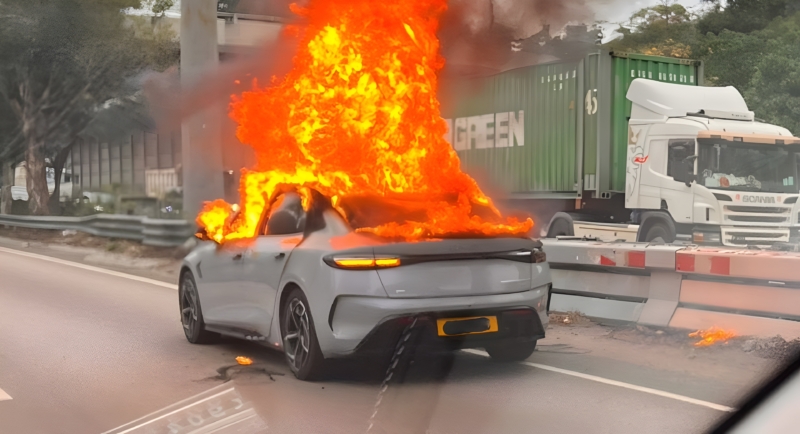
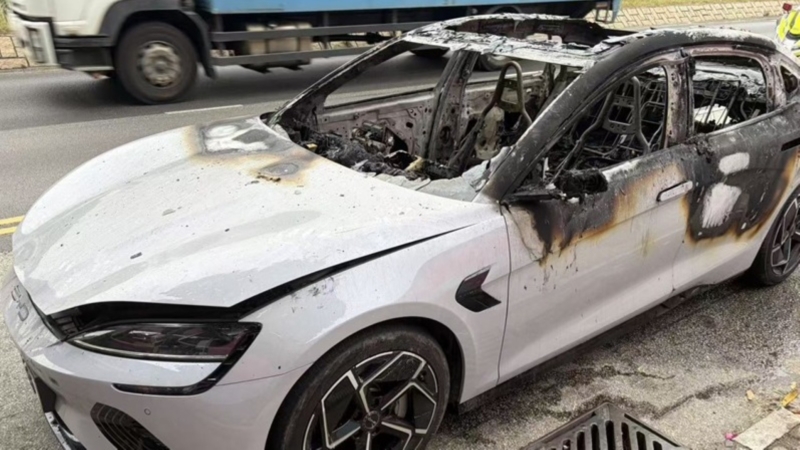
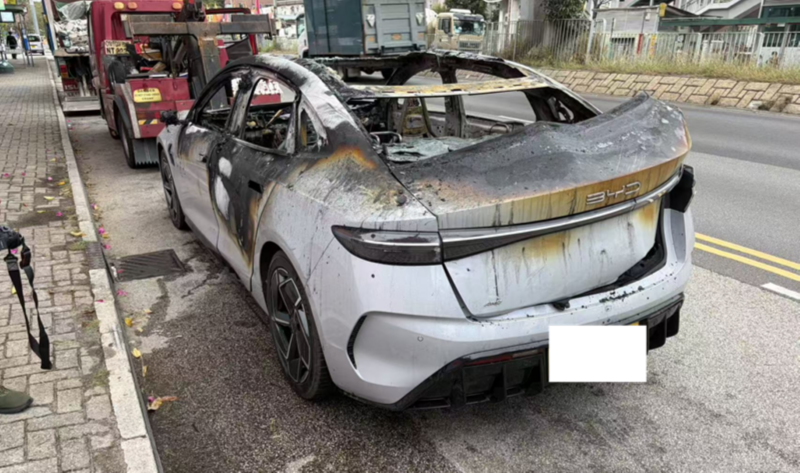
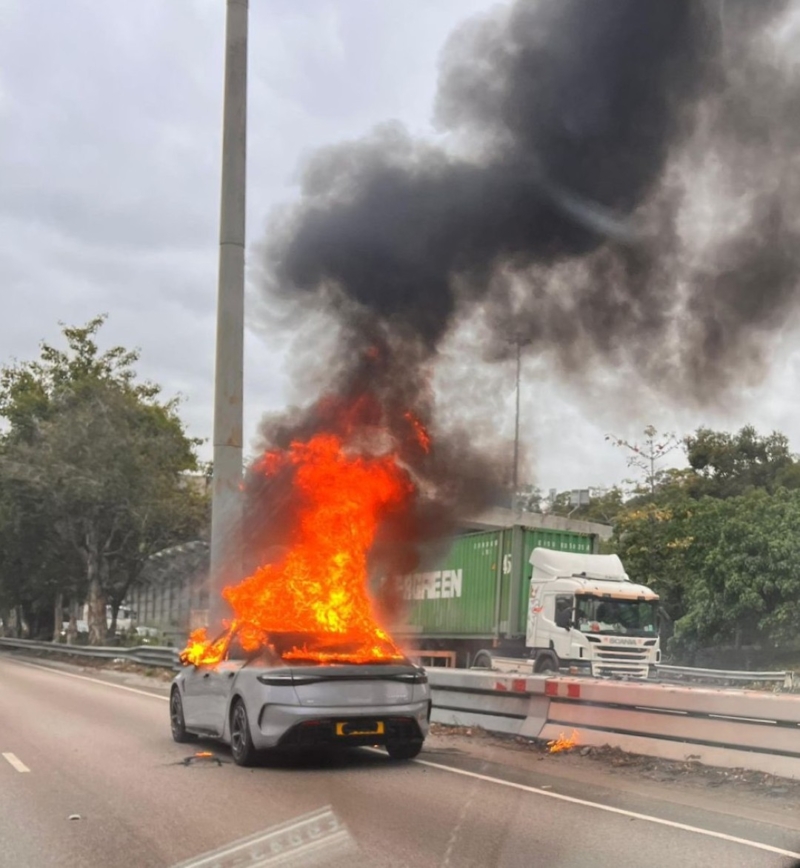
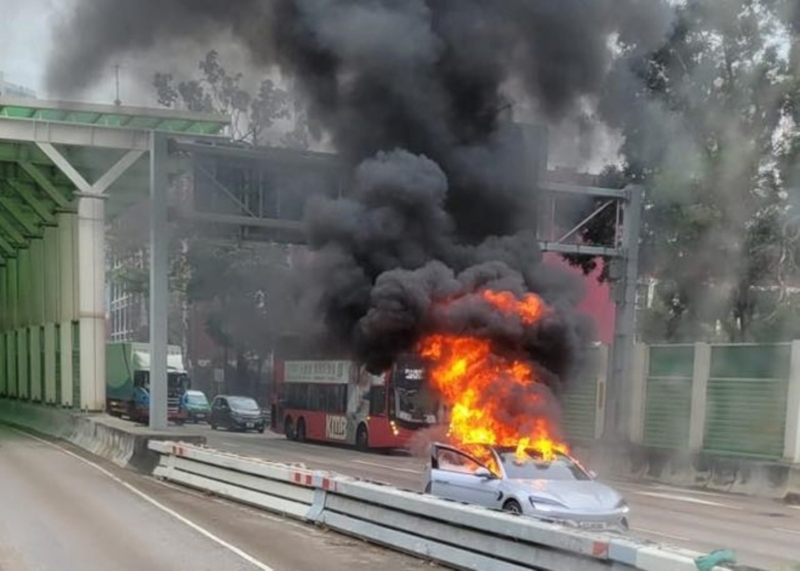
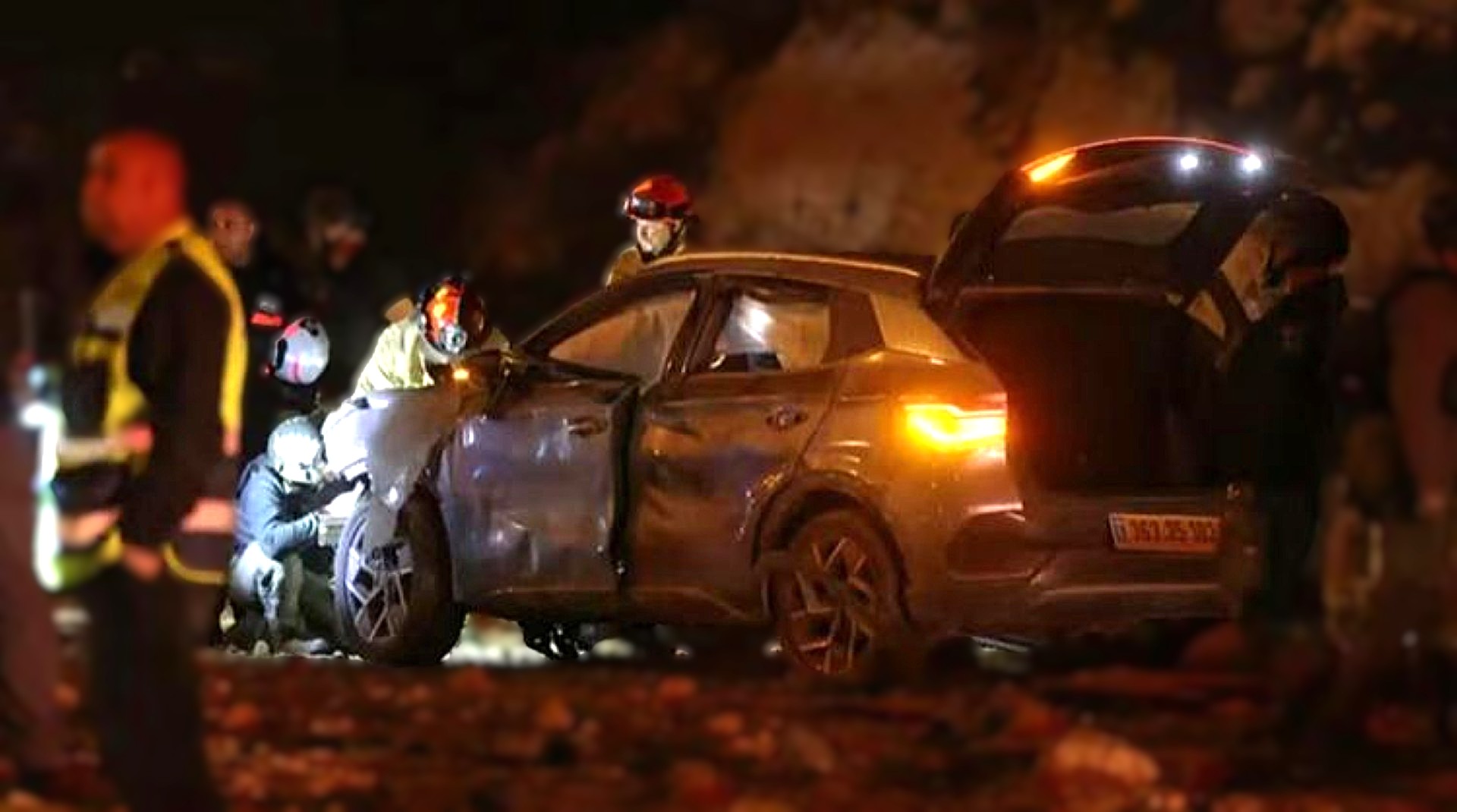
A silver BYD Seal electric sedan ignited on Hong Kong’s Tuen Mun Road, causing significant disruption to traffic near the Tsing Tin Interchange, on March 3, 2026. The fire began at approximately 2:01 p.m. as the vehicle was travelling toward Hung Shui Kiu. Emergency services arrived within minutes, and the Hong Kong Fire Services Department successfully extinguished the blaze by 2:19 p.m. The female driver managed to exit the vehicle safely before the fire intensified, according to HKET.
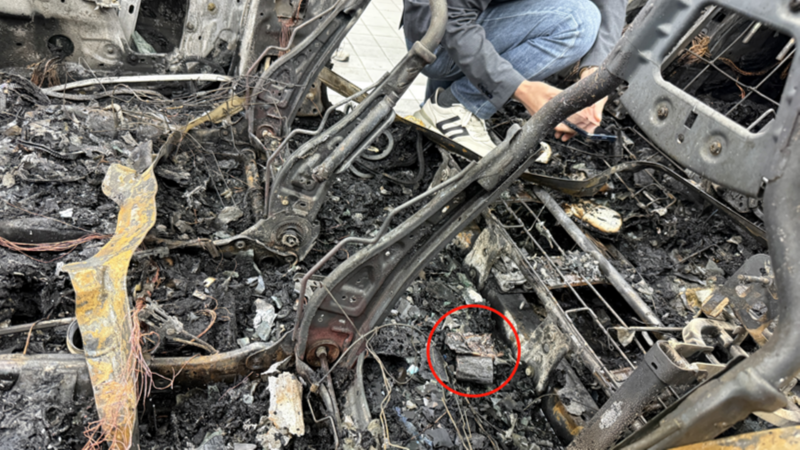
A technical investigation conducted at a BYD service centre confirmed that the fire was not caused by any mechanical or electrical fault inherent to the vehicle. Instead, the blaze originated from an external power bank (portable charger) left on the passenger seat, which suffered a short circuit or thermal runaway. BYD issued a formal statement clarifying that the vehicle’s high-voltage systems were not involved in the initial ignition, despite the severe damage sustained by the upper cabin structure.
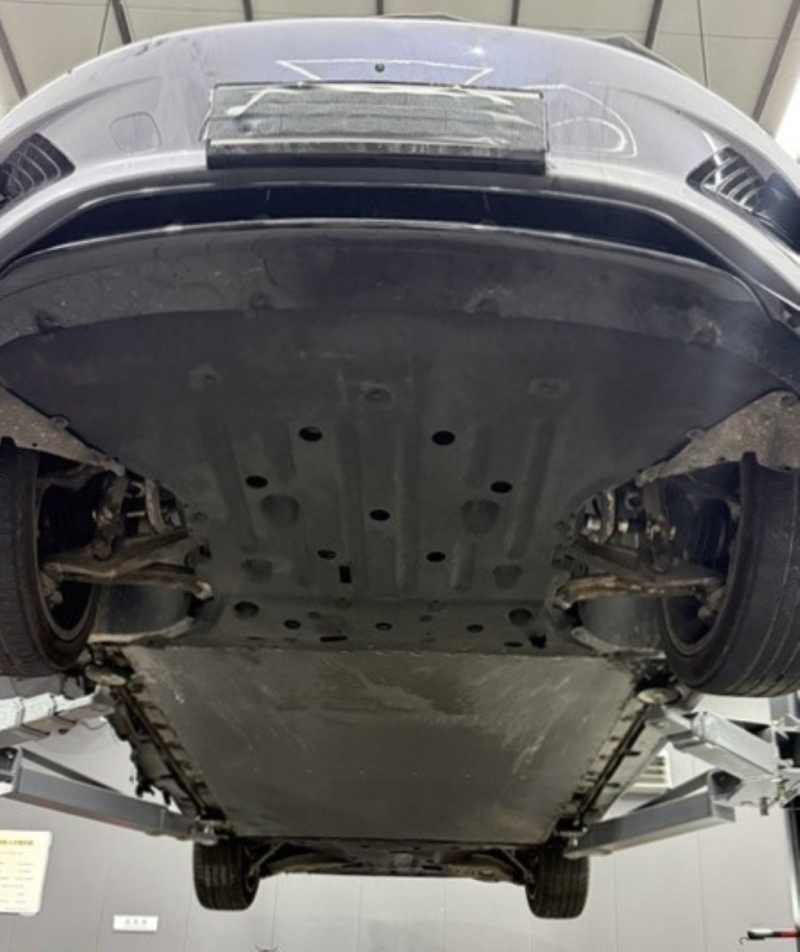
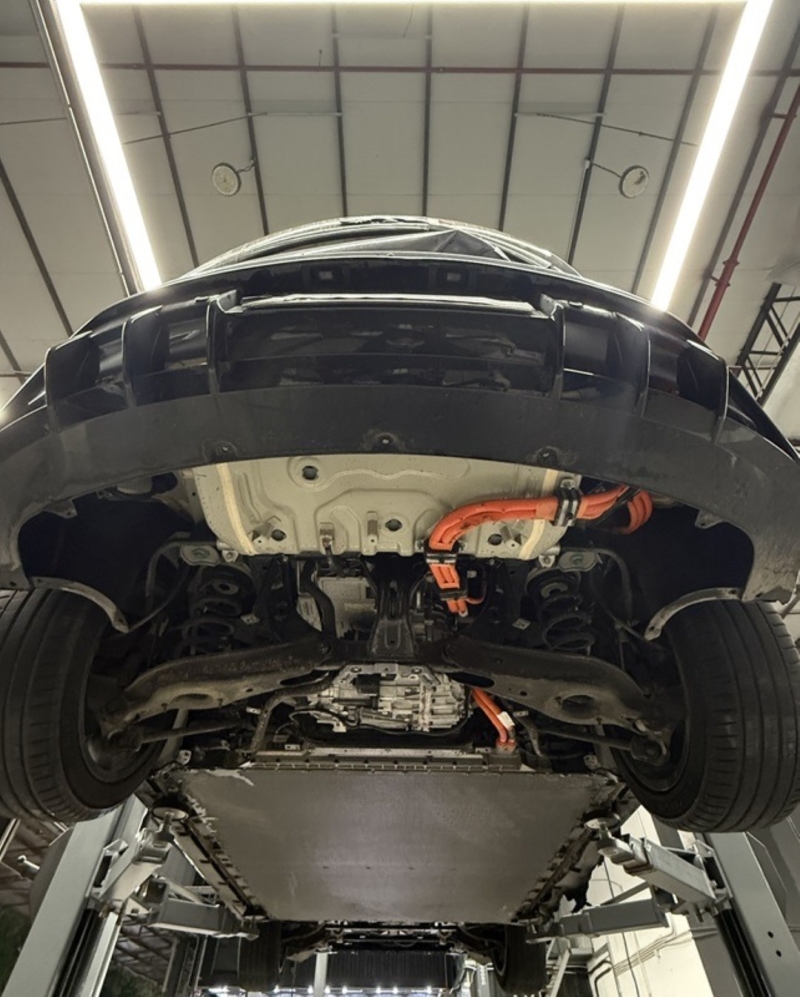
The inspection verified that the “Blade Battery” pack and the integrated chassis remained intact. While the cabin reached temperatures sufficient to melt interior plastics and glass, the battery cells did not undergo thermal runaway. This is due to LFP (Lithium Iron Phosphate) chemistry’s high exothermic threshold, typically exceeding 500°C, compared to the approximately 200°C threshold of traditional NMC (Nickel Manganese Cobalt) batteries. The battery’s honeycomb aluminium structure served as a thermal barrier, preventing the external cabin fire from breaching the cell compartment.
Integrated Safety
The BYD Seal is built on the e-Platform 3.0, utilising Cell-to-Body (CTB) technology that integrates the battery as a structural element of the chassis. This configuration achieves a torsional rigidity of 40,500 Nm/°, a figure comparable to luxury performance sedans. The “sandwich” design of the pack, featuring high-strength aluminium panels, acts as a protective shield for the cells. The Seal also features a centre airbag to prevent occupant-to-occupant collision injuries and an advanced eCall system that automatically alerts emergency services during a major impact.
Market Context
In the Hong Kong market, the BYD Seal (deliveries estimated at 4,200 units in 2025) competes directly with the Tesla Model 3 (estimated 5,800 units). While both vehicles hold 5-star Euro NCAP safety ratings, they utilise different structural approaches. The Seal’s LFP Blade Battery is marketed with a heavy focus on thermal stability, whereas Tesla utilises a mix of LFP and high-nickel NMC cells depending on the trim. As of March 2026, the BYD Seal maintains a price advantage in Hong Kong, starting at approximately 30,000 USD after local incentives, compared to the Tesla Model 3’s starting price of roughly 34,500 USD.
| Model | Battery Type | Euro NCAP Rating | Torsional Rigidity |
| BYD Seal | LFP (Blade) | 5 Stars (2023/25) | 40,500 Nm/° |
| Tesla Model 3 | LFP / NMC | 5 Stars (2019/24) | ~20,000 – 25,000 Nm/° |