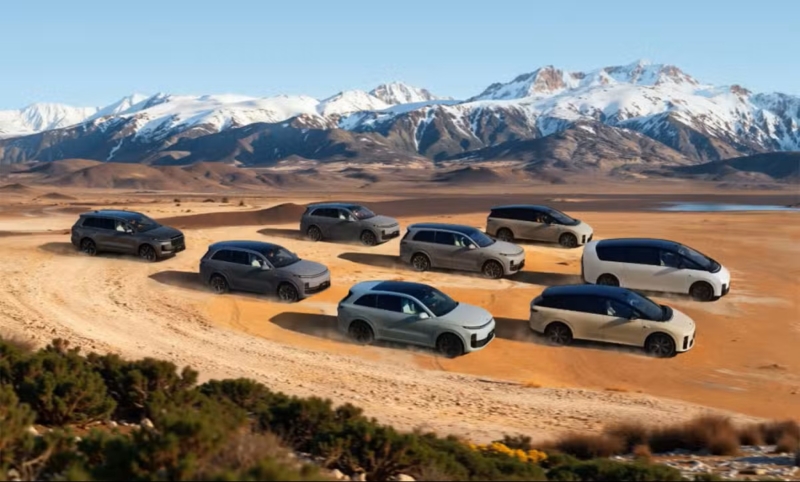
Li Auto has signed dealer agreements in the United Arab Emirates and Saudi Arabia, marking its first concrete step into the Middle East as the Chinese new energy vehicle maker accelerates its overseas expansion.
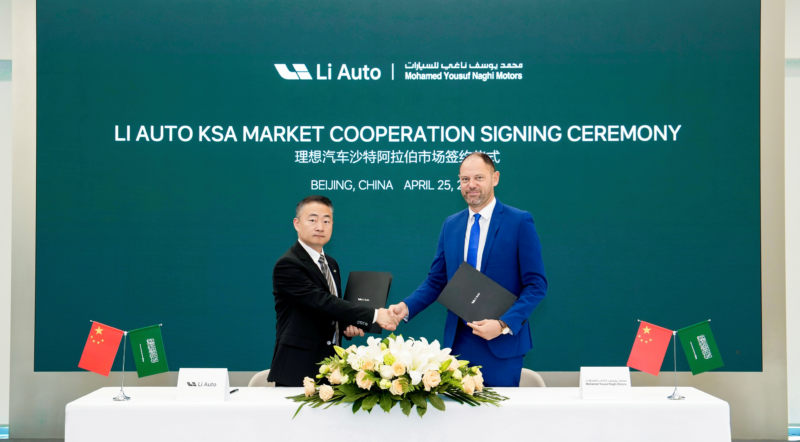
The company signed agreements with Al Fahim Motors in the UAE and Mohamed Yousuf Naghi Motors in Saudi Arabia at its Beijing headquarters on Saturday. The two partners will introduce Li Auto’s L-series extended-range electric vehicles to their respective markets.
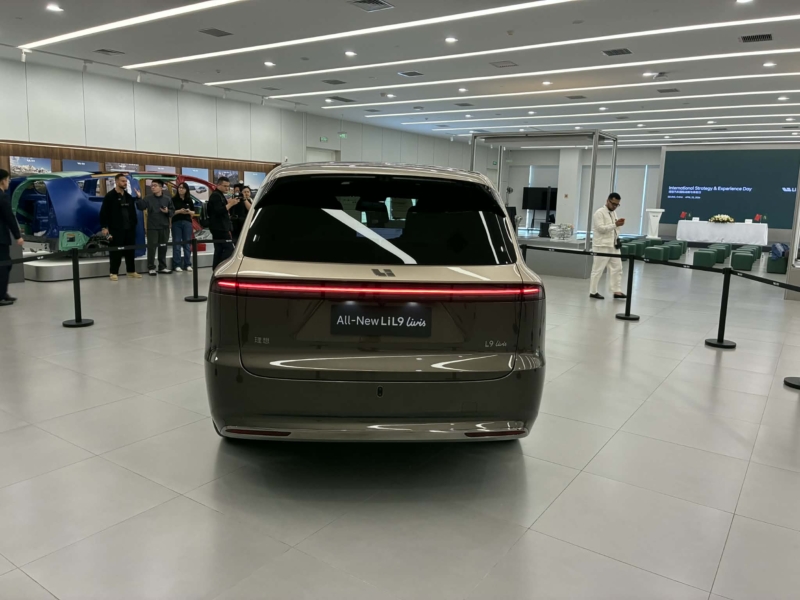
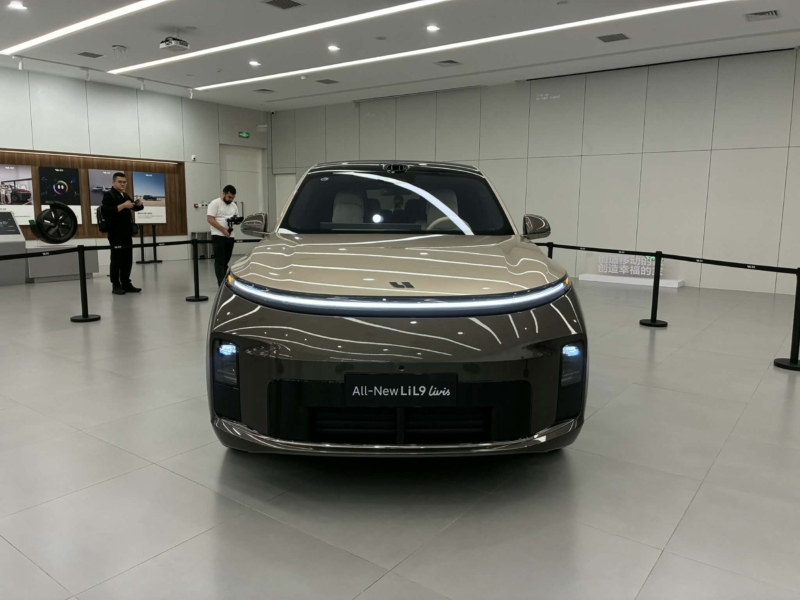
Li Auto’s L-series currently includes the Li L6, Li L7, Li L8, and Li L9, and it recently unveiled an updated version, the Li L9 Livis. The models use extended-range electric vehicle technology, combining an electric drive system with a petrol engine used as a generator.
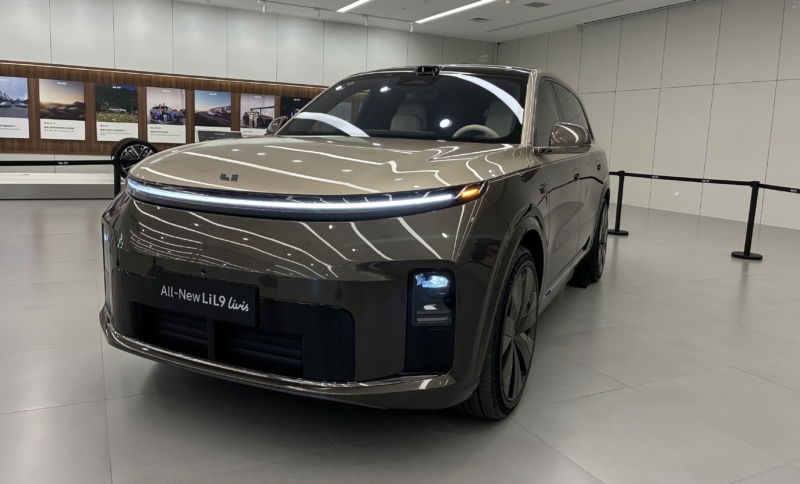
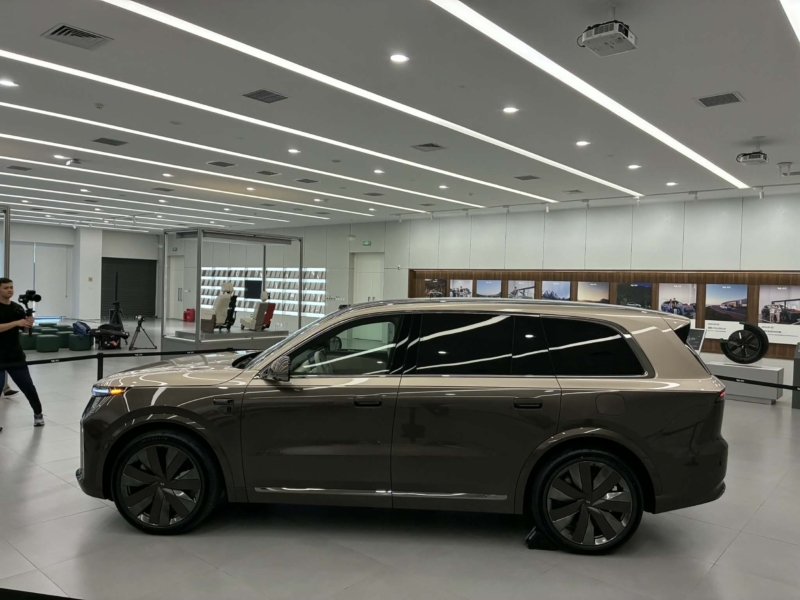
At the Beijing Auto Show, Li Auto also gave the Li L9 Livis its public debut. The new EREV flagship SUV will officially launch on May 15, with deliveries starting the same day. Pre-sales opened in February at 559,800 yuan (82,000 USD). The model is equipped with two in-house-developed 5-nanometer M100 smart driving chips with a total computing power of 2,560 TOPS, four LiDAR sensors, a 72.7 kWh battery pack, and a claimed CLTC electric range of 420 km. Keep in mind that the battery is also mated with the 65-litre gas tank, so the combined range will be around 1500 km.
Wu Zuomin, head of international business at Li Auto, said during the signing ceremony attended by CarNewsCina that the L-series family’s positioning and extended-range technology meet the needs of Middle Eastern customers. Li Auto sees the Middle East as a suitable market for its large SUV lineup, partly because of local family travel needs and the region’s uneven charging infrastructure.
The company also announced plans to enter Cambodia, Laos, Macau, and Myanmar, with launches in these Asia-Pacific markets scheduled to begin in May. Its regional partners include SDB in Cambodia, Hongyun in Laos, Hongyue Group in Macau, and PMPG EV, Li Auto’s partner in Myanmar.
The Middle East and Asia-Pacific announcements show that Li Auto is moving beyond a China-focused business model later than many of its Chinese peers. The company began volume production in November 2019 and has remained mainly focused on the domestic market since then. Nio and Xpeng have already been selling in Europe for about five years.
Li Auto president Ma Donghui said during a media session that the company is not prioritising short-term overseas sales or gross margins. Instead, it is building the systems needed for overseas operations, including sales channels, after-sales service, logistics, parts warehousing, and brand awareness.
Li Auto is also trying to bring unofficial overseas users into its official service network. In Central Asia, parallel exports have already created a fleet of about 10,000 Li Auto vehicles. The company plans to provide official parts and OTA upgrades to those owners.
Europe is not the first market in this rollout, but it is now part of Li Auto’s next phase. The company confirmed it will attend the 2026 Paris Motor Show, marking its first appearance at a major European auto show.
While the Middle East rollout will begin with the L-series EREVs, Li Auto is expected to enter Europe with its all-electric i-series and Li Mega rather than its range-extender models. Li Mega is a large MPV and the company’s first all-electric car. The i-series currently has two models in its lineup: the i6 and i8 SUVs
Li Auto joined the China Chamber of Commerce to the EU in February and already has an R&D centre in Munich, Germany. The company has not announced a European launch date. It has also not announced any overseas manufacturing plan. For now, Li Auto said it will mainly rely on exports from China and take a cautious approach to localised production.
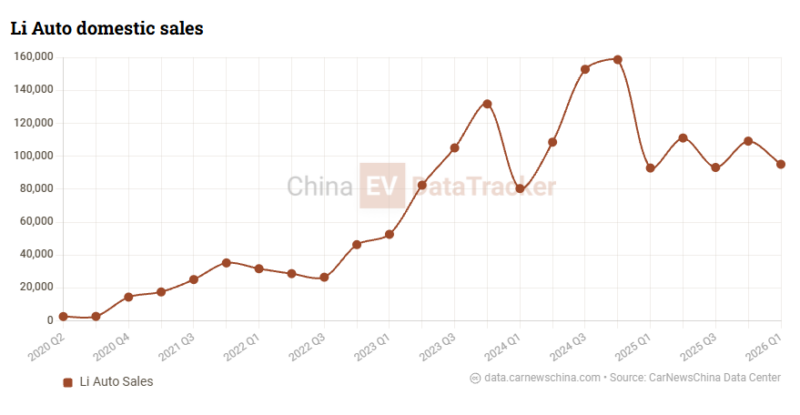
In the first quarter of the year, Li Auto delivered 95,142 cars globally, up 2.5% year over year and breaking a two-quarter consecutive period of declining sales.