A series of SUVs exceeding 5.2 meters in length is scheduled to enter the Chinese market following the 2026 Beijing Auto Show, featuring multiple models from domestic automakers, including BYD, Chery, Nio, Xpeng, and Huawei-backed joint ventures, as well as other manufacturers.
Narrowing cost range
Full-size SUV pricing spans from entry-level large SUVs starting around 159,800 yuan (22,000 USD) under battery leasing models to flagship SUVs priced above 600,000 yuan (82,800 USD.
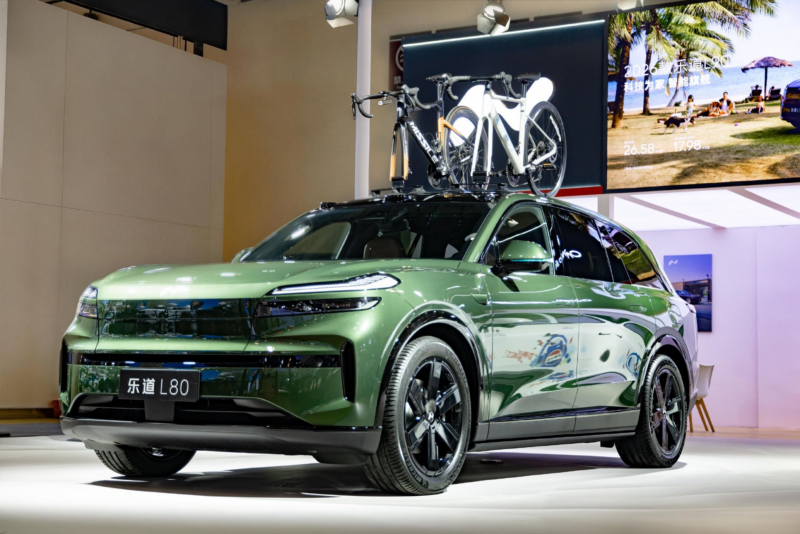
Onvo L80 is a large five-seat SUV positioned below the three-row L90, with identical body dimensions of around 5,145 mm in length and a 3,110 mm wheelbase. Pre-sale pricing starts from 245,800 yuan (35,600 USD) with battery included, or 159,800 yuan (23,200 USD) under the Battery-as-a-Service (BaaS) model. The model removes the third row to prioritise cargo capacity, offering up to 2,600 L of rear storage, while maintaining full-size SUV proportions.
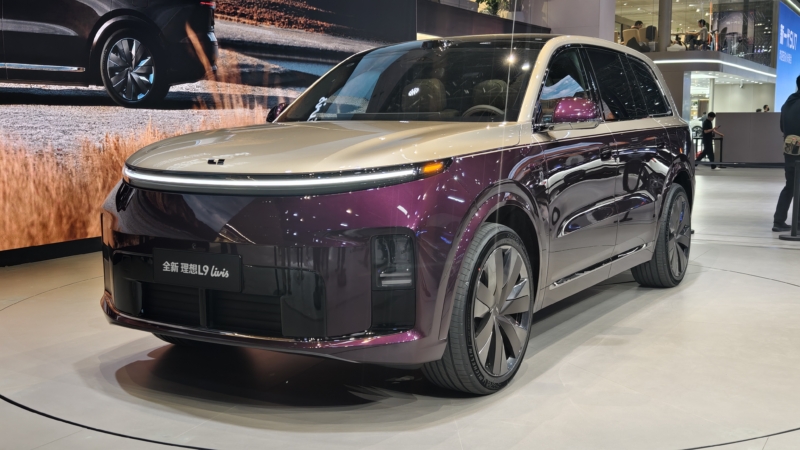
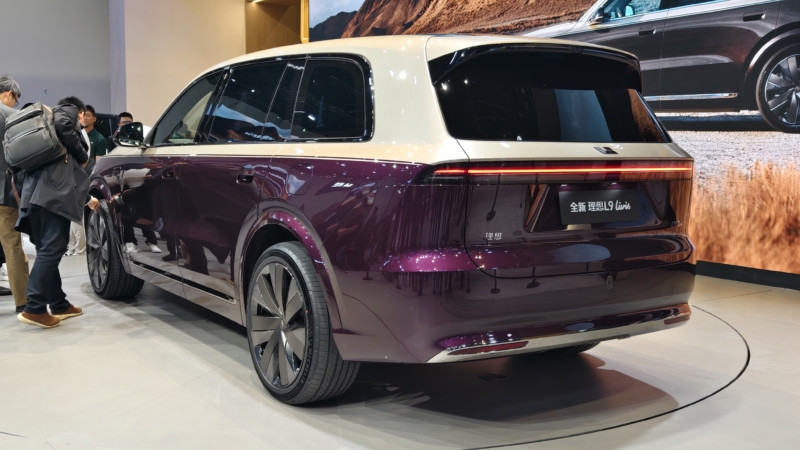
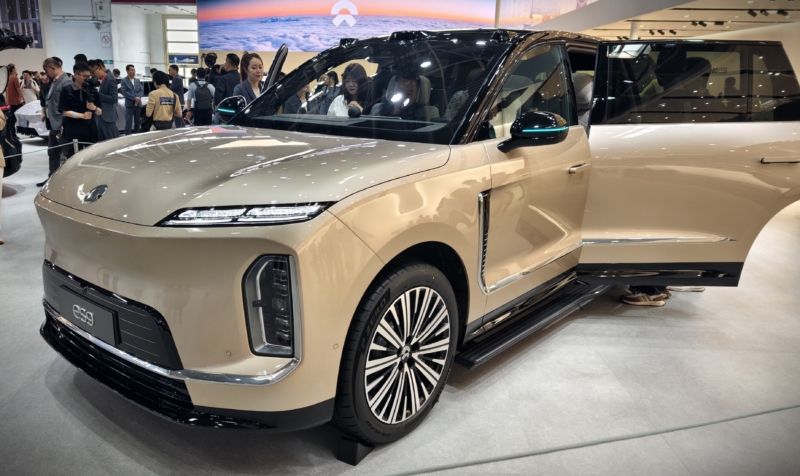
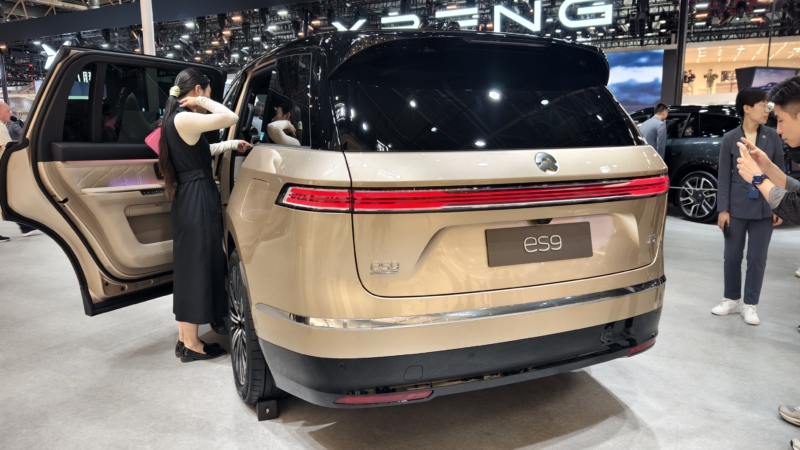
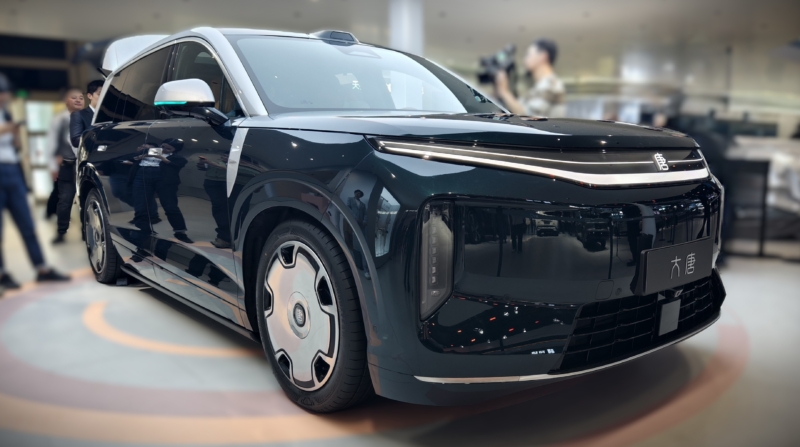
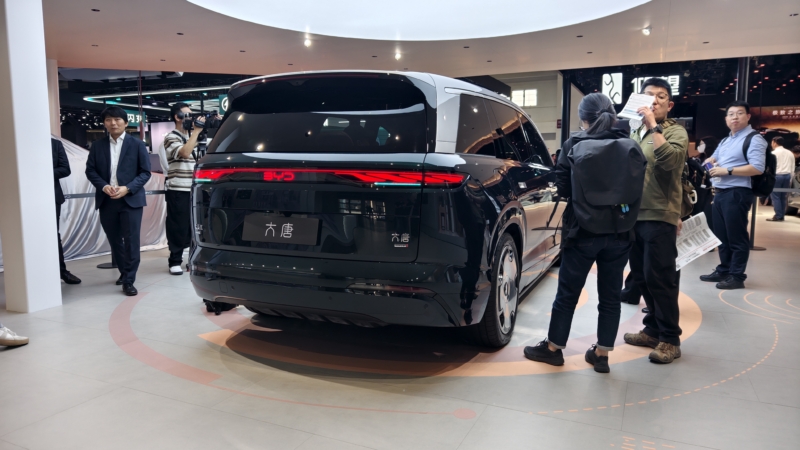
Models in the upper range include the Li Auto L9 Livis (559,800 yuan / 77,300 USD), Nio ES9 (528,000–658,000 yuan / 72,900–90,800 USD), and BYD Great Tang (250,000–320,000 yuan / 34,500–44,200 USD pre-sale).
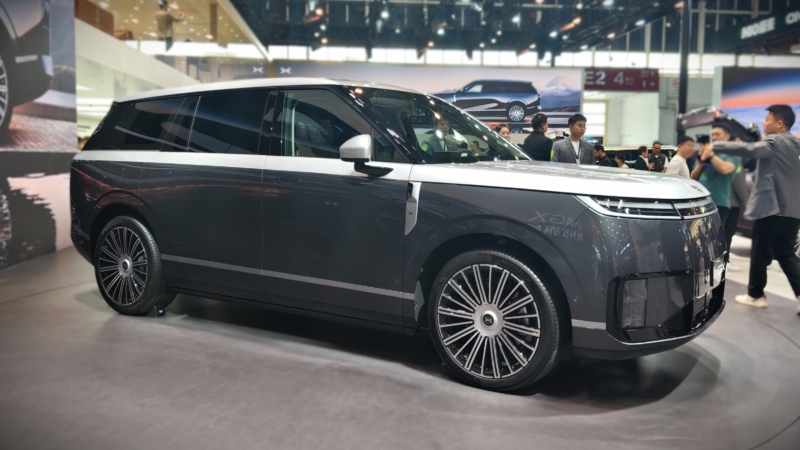
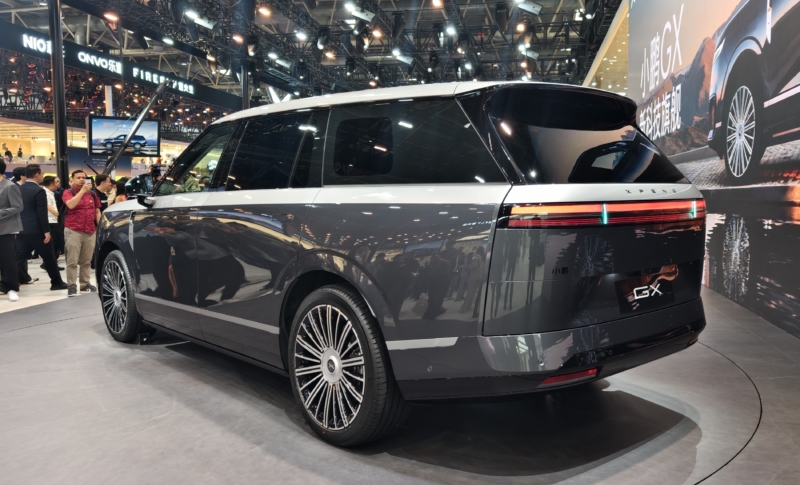
Full-size SUV pipeline expansion
The 2026 Beijing Auto Show SUV lineup includes multiple large SUVs across different price tiers and powertrains.
The SGMW Huajing S is a large six-seat plug-in hybrid SUV developed with Huawei, measuring 5,235 mm in length and 3,105 mm in wheelbase. It uses Huawei’s Qiankun intelligent driving system and supports plug-in hybrid powertrain technology.
Blind orders have opened. It’s reported to start at 160,000 yuan (22,100 USD). The Huajing S represents one of the lowest entry points into the large SUV category, while maintaining seating and size characteristics aligned with full-size SUV positioning. It will launch on May 8.
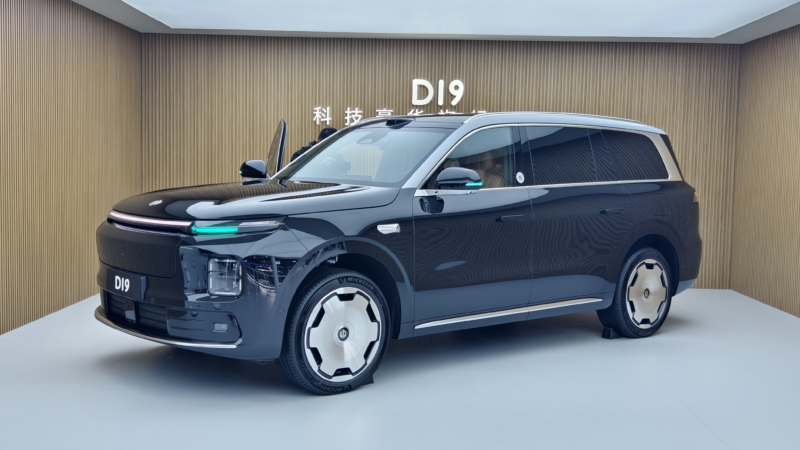
Leapmotor D19 enters the full-size SUV segment with BEV and EREV variants. Pricing starts at around 219,800 yuan (32,200 USD), placing it among the lower-priced models in China’s 5.2-meter SUV category. It supports three-row seating and targets the same segment as other newly launched full-size SUVs.
The Haval Menglong Plus adds a body-on-frame-style SUV offering, with both five-seat and seven-seat configurations. It uses a Hi4 hybrid system and targets a price range below 220,000 yuan (30,300 USD pre-sale).
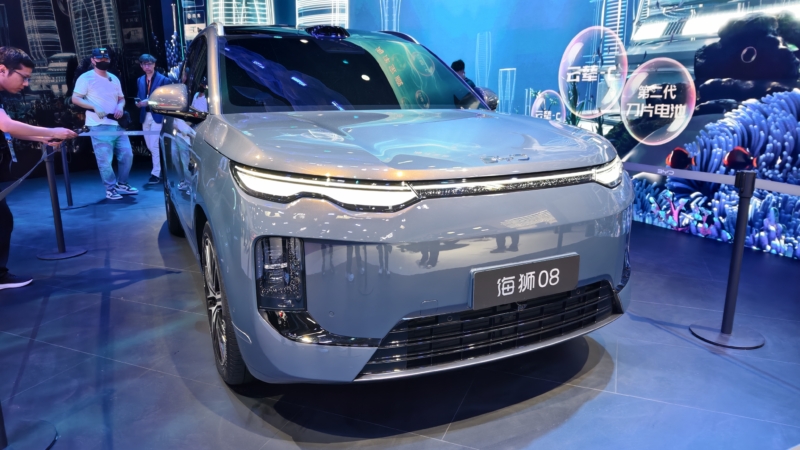
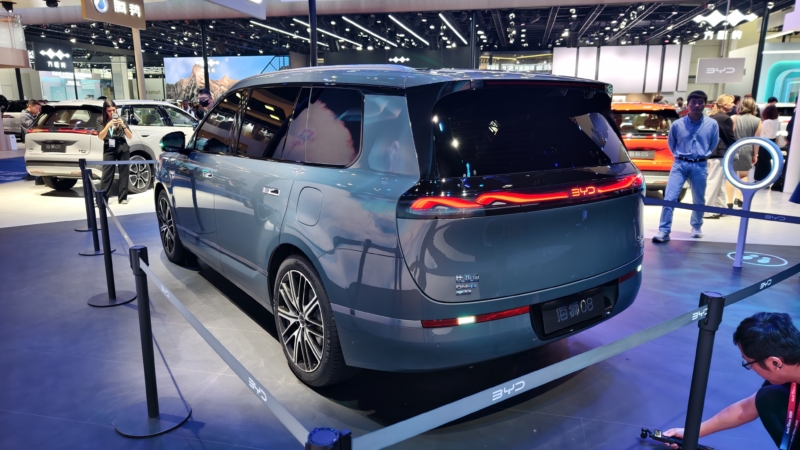
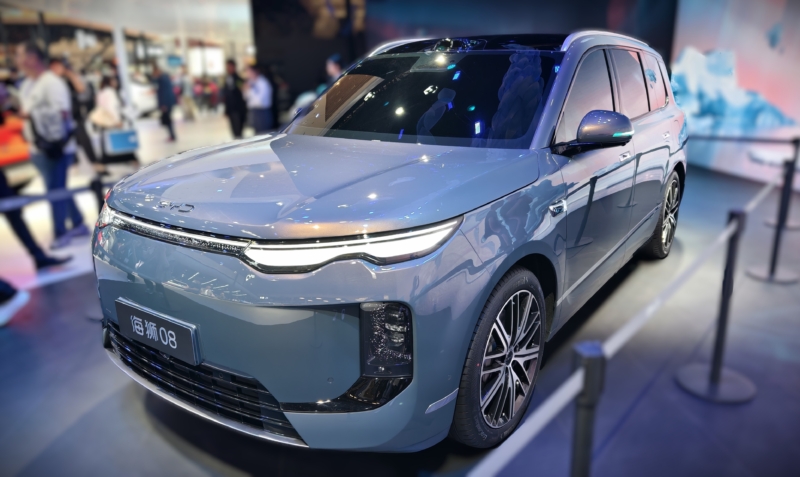
BYD’s Sea Lion 08 enters the upper mid-range SUV segment with both BEV and PHEV variants, including up to 900 km CLTC range in its electric configuration and rear-wheel steering systems.
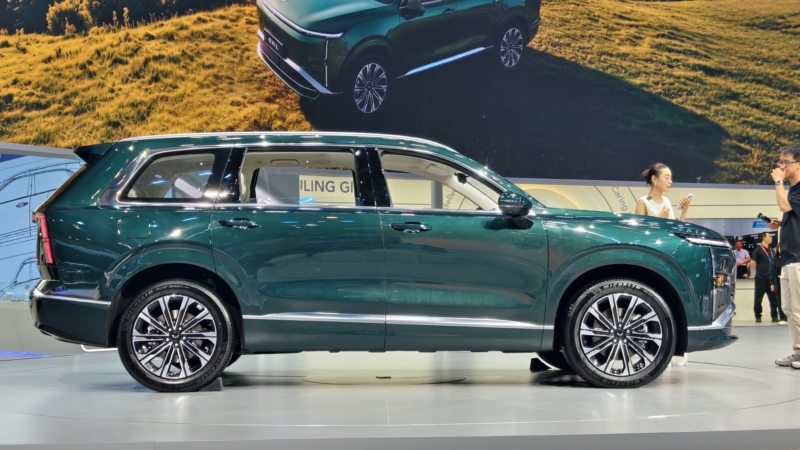
Wuling Starlight L is not a full-size SUV, but it is often referenced in discussions of China’s broader multi-row SUV expansion due to its pricing position and three-row layout. The model is a plug-in hybrid SUV measuring around 4.98 meters and featuring a 2+2+2 seating configuration.
It is expected to start from roughly 100,000–130,000 yuan (about 13,800–17,900 USD), depending on configuration and market incentives, placing it significantly below the full-size SUV segment discussed in this report.
Large SUV flagship convergence
Flagship models remain concentrated around 5.2 meters and above. The Li Auto L9 Livis delivers up to 420 km CLTC pure electric range and over 1,500 km combined range. The Xpeng GX reaches up to 1,585 km combined range, while the Aito M9 provides up to 1,474 km.
The Nio ES9 measures 5,365 mm in length, while the BYD Great Tang reaches 5,263 mm. The Yijing X9 and Taishan X8 also exceed 5.2 meters and adopt multi-LiDAR configurations and air suspension systems.
Additional SUV launches
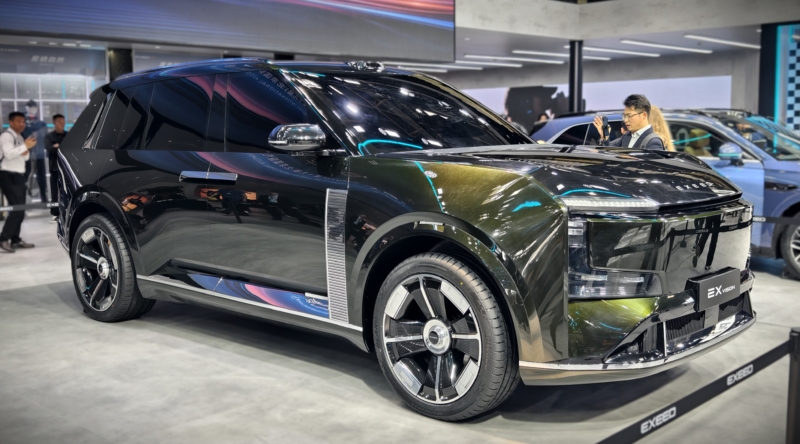
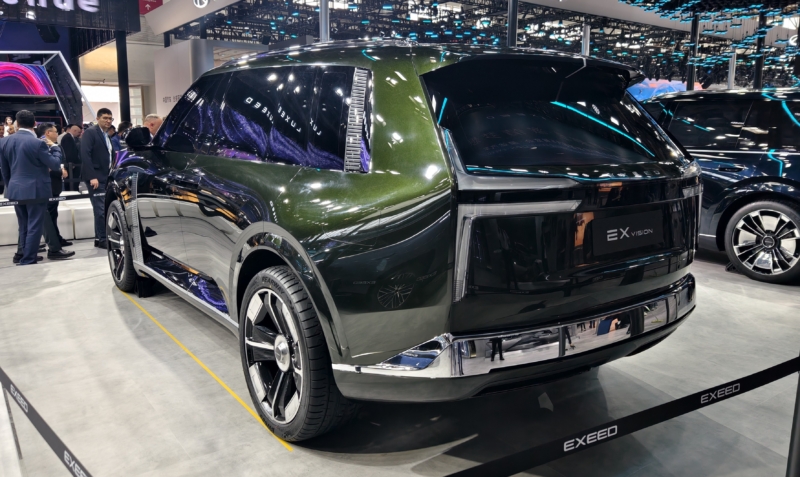
Chery’s Tiggo X flagship SUV is equipped with 476 hp and a total range of 1,500 km. Exeed EX9 has been positioned against Zeekr 9X, which has reached 50,000 cumulative deliveries.
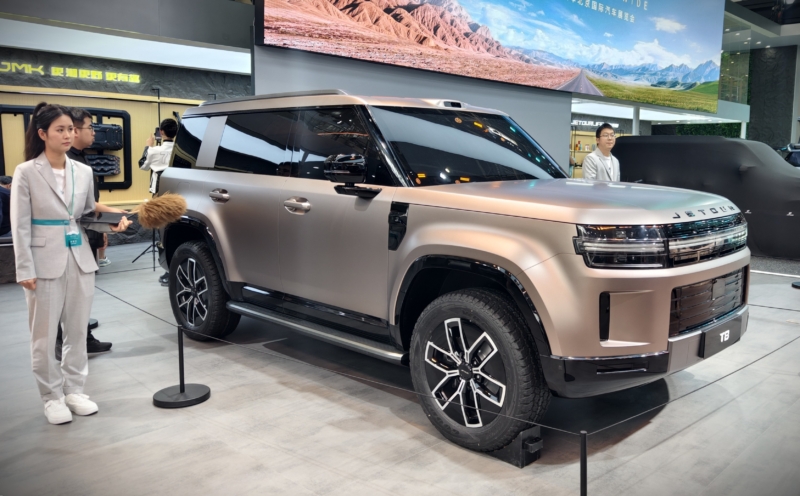
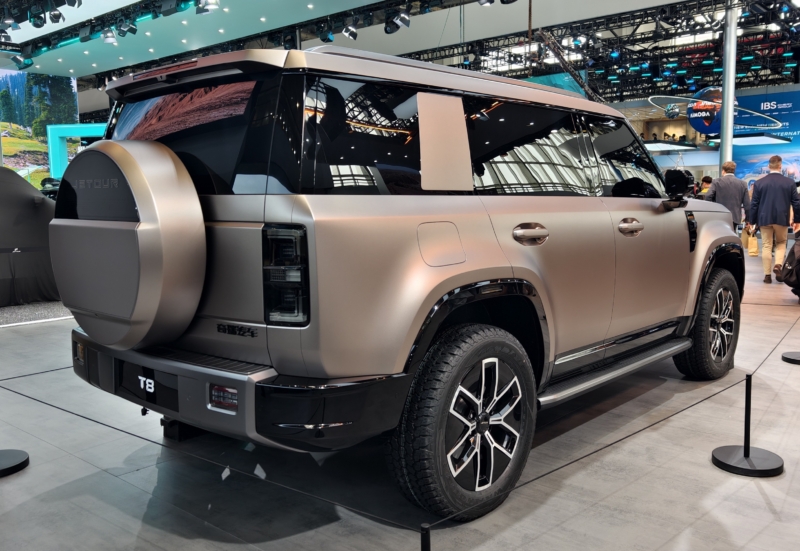
Jetour’s T8, Shanhai L10, and TX concepts expand Chery Group’s three-row SUV lineup.
Industry data
BYD Great Tang recorded over 60,000 pre-orders within 48 hours, according to dealer channel data. Zeekr 9X has reached 50,000 cumulative deliveries, with distribution across multiple SUV price segments.
Top-selling SUV in China in March 2026
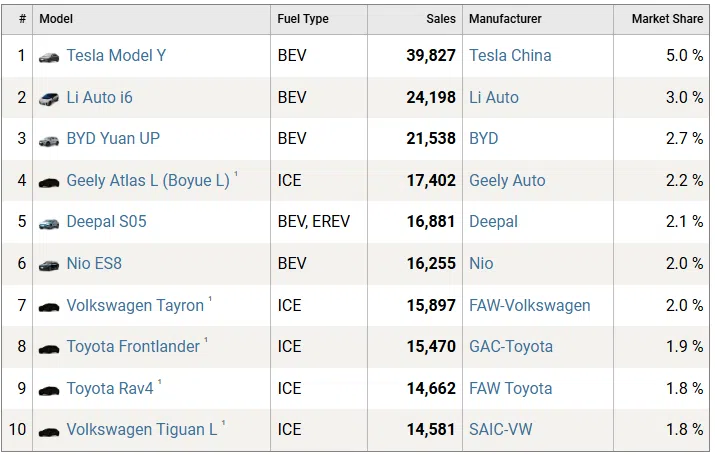
Market data (March 2026 SUV sales)
According to China EV DataTracker, the Tesla Model Y recorded 39,827 units. Li Auto i6 recorded 24,198 units. BYD Yuan UP recorded 21,538 units. Geely Atlas L, Toyota RAV4, and Volkswagen Tiguan L each recorded between 14,000 and 17,000 units.
The dataset includes BEV, EREV, PHEV, and ICE models across the SUV category.