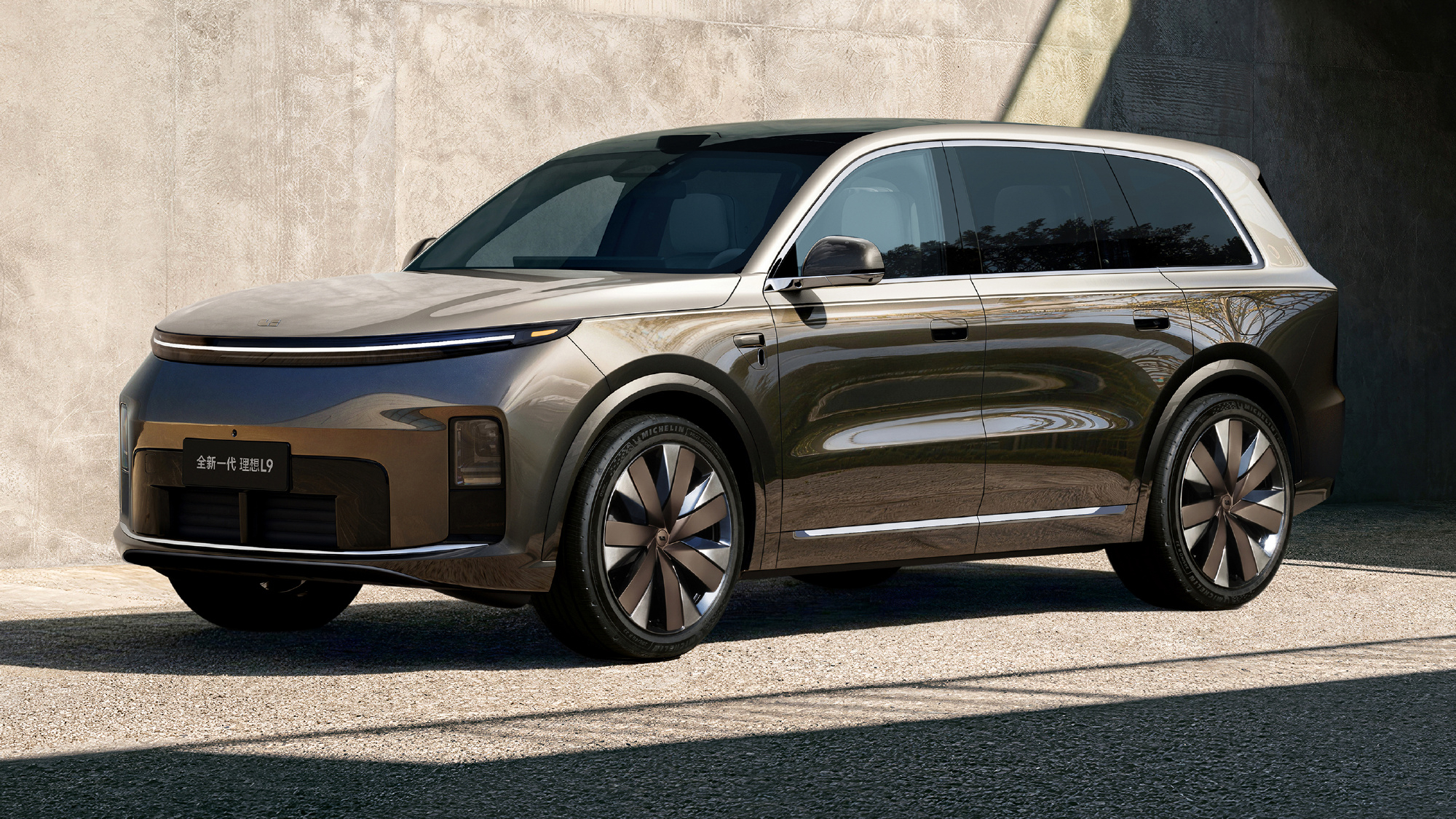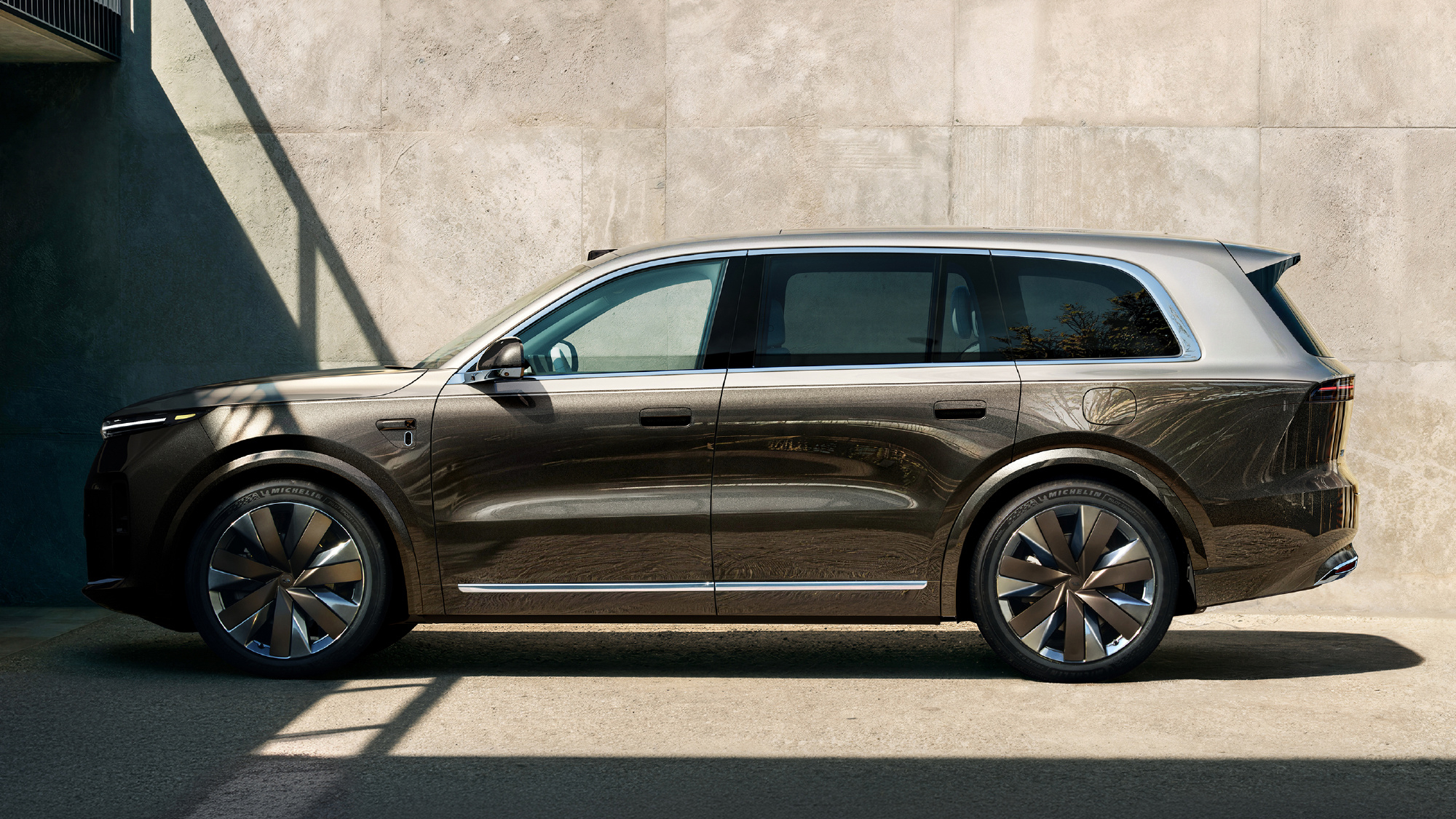
Li Auto product line head Tang Jing dashed hopes for the brand’s EREV sedans, explaining tech details about its latest range extender. It was specifically developed for L-series crossovers.
Li Auto initially used the Dongan-made three-cylinder engine as a range extender. Later, the company switched to a four-cylinder engine based on the Prince engine from BMW and Peugeot. In early 2026, it was revealed that the new Li Auto L9 Livis SUV will adopt the new self-developed ICE. The brand’s officials prefer to call it “range extender 3.0.”
The new engine is a 1.5-liter turbocharged four-cylinder called L3E15CA. It has a peak power of 115 kW (154 hp). According to the Chinese Ministry of Industry and Information Technology (MIIT), this ICE is manufactured by the Li Auto Suzhou branch. It consumes 0.23 liters per 100 km in hybrid mode. The fuel consumption with a drained battery reaches 6.4 liters per 100 km.
Li Auto won’t make EREV sedans
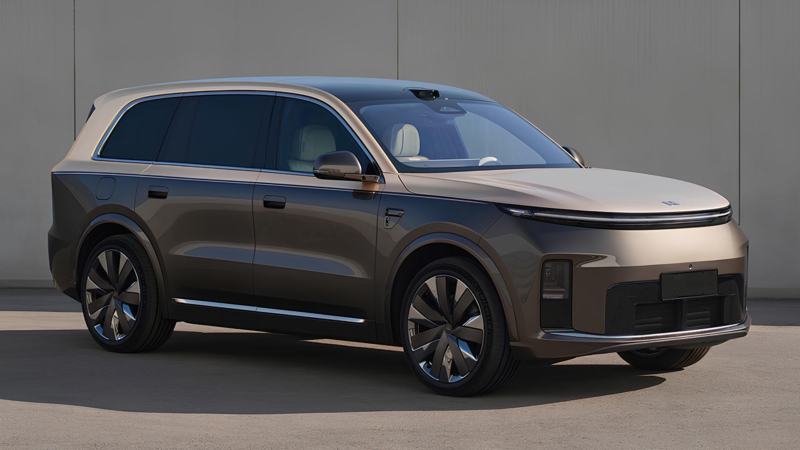
In the latest Weibo post, Li Auto product line head Tang Jing shared that the company’s latest range extender was developed from scratch to be used in L-series crossovers. For this reason, Li Auto engineers made this ICE narrower and shorter. However, its height increased.
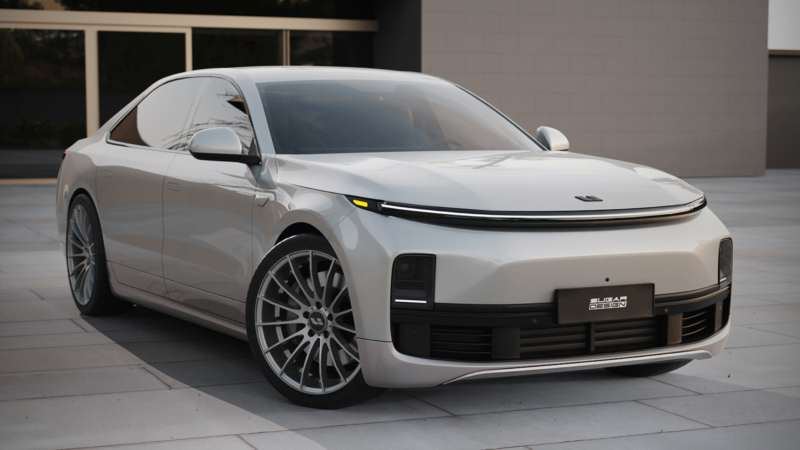
Tang Jing shared that it’s highly unlikely that the new range extender would fit into a sedan. This step will lead to lower ground clearance and safety issues. The top of the petrol-powered engine will sit too close to the hood. As a result, the crumple zone necessary for pedestrian protection will shrink, making it harder to meet safety requirements. Those statements clearly hint that Li Auto won’t make EREV sedans in the foreseeable future.
At the same time, Tang Jing clarified that these specific engine dimensions allow the company to maximize the passenger compartment by saving over 20 mm in the front. Moreover, Li Auto reportedly enhanced the NVH (Noise, Vibration, and Harshness) performance of the engine by moving away from the traditional development logic.
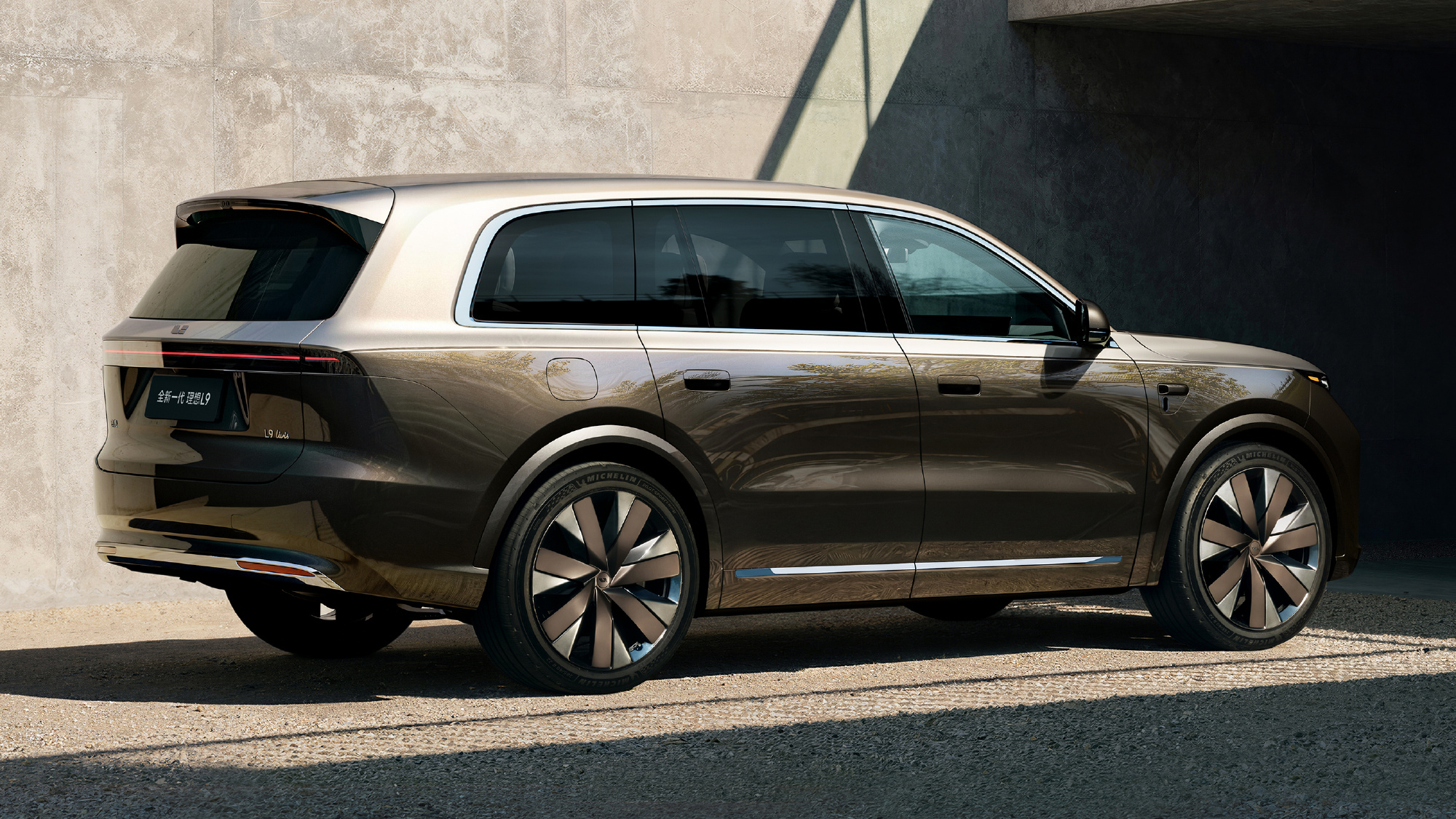
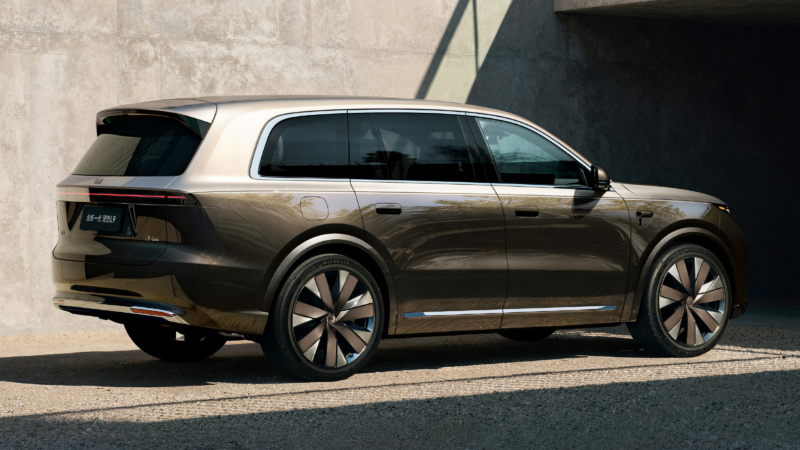
As mentioned, the Li Auto L9 Livis will become the first car to use the new range extender. It will offer other tech features, including an ADAS for 2,560 TOPS, steer-by-wire, four-wheel steering, an electronic mechanical braking, and the 800V active suspension. Thanks to a 72.7 kWh battery, the L9 Livis will be able to run up to 322 km in BEV mode (WLTC conditions). This model will be priced at around 559,800 yuan (81,360 USD). Previously, Li Auto congratulated Volkswagen on producing an “outdated” range extender for the Volkswagen ID. Era 9X.